Use code 'NepalBhutan'
Save 5% – Valid for through May 28
$4018 $3817
Nepal and Bhutan 10/3/2027
Overview
Explore the Himalayas in two amazing countries, Nepal and Bhutan. You’ll take part in the traditions of small Nepalese communities, experience the wildlife and rich biodiversity of Chitwan National Park, and feel Bhutan’s spiritual nature in storied Buddhist temples. This adventure might be big, but the journey won’t ever feel rushed, meaning you’ll have plenty of time to meet local people and embrace their way of life.
What's Included:
- Walk in Patan Durbar Square
- Sustainable Development Fees
- Guided tour of Bhaktapur City
- Nepalese Dumplings Cooking Demonstration
- Swayambhunath Temple visit
- Enjoy a welcome by the Chitwan Community Homestay and a traditional meal
- Chitwan National Park 4×4 safari
- Cycling through villages in Chitwan
- Memorial Chorten & Motithang Takin Preserve visit
- Tashichho Dzong visit
- Chimi Lakhang Hike
- Explore Paro Dzong and Archery grounds
- Hike to Taktsang Monastery Tiger’s Nest
- Departure transfer to Paro airport
- Bhutan visa support
- Internal flight from Nepal to Bhutan
- G Adventures tour leader throughout, local guides
- 5 breakfasts, 5 lunches, 6 dinners – allow $240-$315 USD for meals not included
- Hotels (10 nts), guesthouse/cottage (2 nts)
- All transport between destinations and to/from included activities by private van, 4×4, riverboat, plane
What's Not Included:
- International air travel
- Incidentals
- Travel health and cancellation insurance
- Applicable visas
- Tips or gratuities
- Beverages
- Meals not mentioned in itinerary
- Optional tours and admissions
- Arrival airport transfer
- Single/private accommodation (add-on available)
Itinerary Download PDF
Arrive at any time. There are no planned activities until the Welcome Meeting in the evening. The Kathmandu airport is Tribhuvan International Airport (KTM).
Consider arriving 1-2 days early to explore the city, adjust to the time zone, and buffer against flight delays. We can request extra hotel nights for you before the program begins. We also recommend booking an arrival airport transfer through us ahead of time—or paying for a transfer inside the airport—rather than trying to catch a taxi outside the airport.
Hotel Check-in and Welcome Meeting
Hotel check-in is normally between 2–3 p.m. Check with reception for the exact time and location of the group welcome meeting, typically between 6–7 p.m. Please make every effort to attend this meeting. If you’re running late, send a message in the group WhatsApp or call the emergency number on your trip voucher so that your tour leader can let you know where and when to meet the group.
After the meeting, your group might choose to get dinner at a nearby restaurant, then join your Tour Leader for a guided exploration of the spectacular Patan Durbar Square. Built primarily in the 16th and 17th centuries, the square features the Royal Palace and traditional Newari pagoda-style temples, as well as the Golden Temple and Patan Museum. South of the square is the Kumari Chowk, home to Nepal’s living goddess—a prepubescent girl chosen as the incarnation of the Hindu goddess Taleju. The Kumari lives a cloistered life and rarely leaves the chowk except for important religious festivals. If she’s receiving visitors, we may be able to stop by for a blessing.
- Joining Instructions
- Taxi: (700-800 NPR / ~$5-6 USD | ~20-30min) The airport is only 7 km from downtown Kathmandu. Arrange a prepaid taxi at the Airport Queue Taxi Service Management Committee counter near the baggage hall. Note: You may be approached by people offering to help with your luggage. If you accept their assistance, they will expect payment.
- Pre-Booked Arrival Transfer: If you purchased a transfer with us, a G Adventures representative will meet you at the airport arrivals area with a sign displaying your name. If you’re not met or cannot make contact, call the emergency number on your trip voucher or take a prepaid taxi to the hotel.
Kathmandu, Patan, and Bhaktapur constitute the valley’s three medieval Newari cities. Today, our group will go on a guided tour of Bhaktapur. Bhaktapur is the best preserved of the three cities, with incredibly well-preserved ancient architecture, much of which withstood a devastating earthquake in 2015. The ancient town, known as the City of Devotees, was founded in the 12th century and became renowned for its culture, festivals, and multitude of Hindu temples. Explore Bhaktapur’s markets, tea stalls, wood-carved temples, and vibrant squares, including Durbar Square. You can pick up clay pots and other souvenirs in the colorful open markets and taste homemade yogurt, known as khopa dhau, which Bhaktapur is famous for.
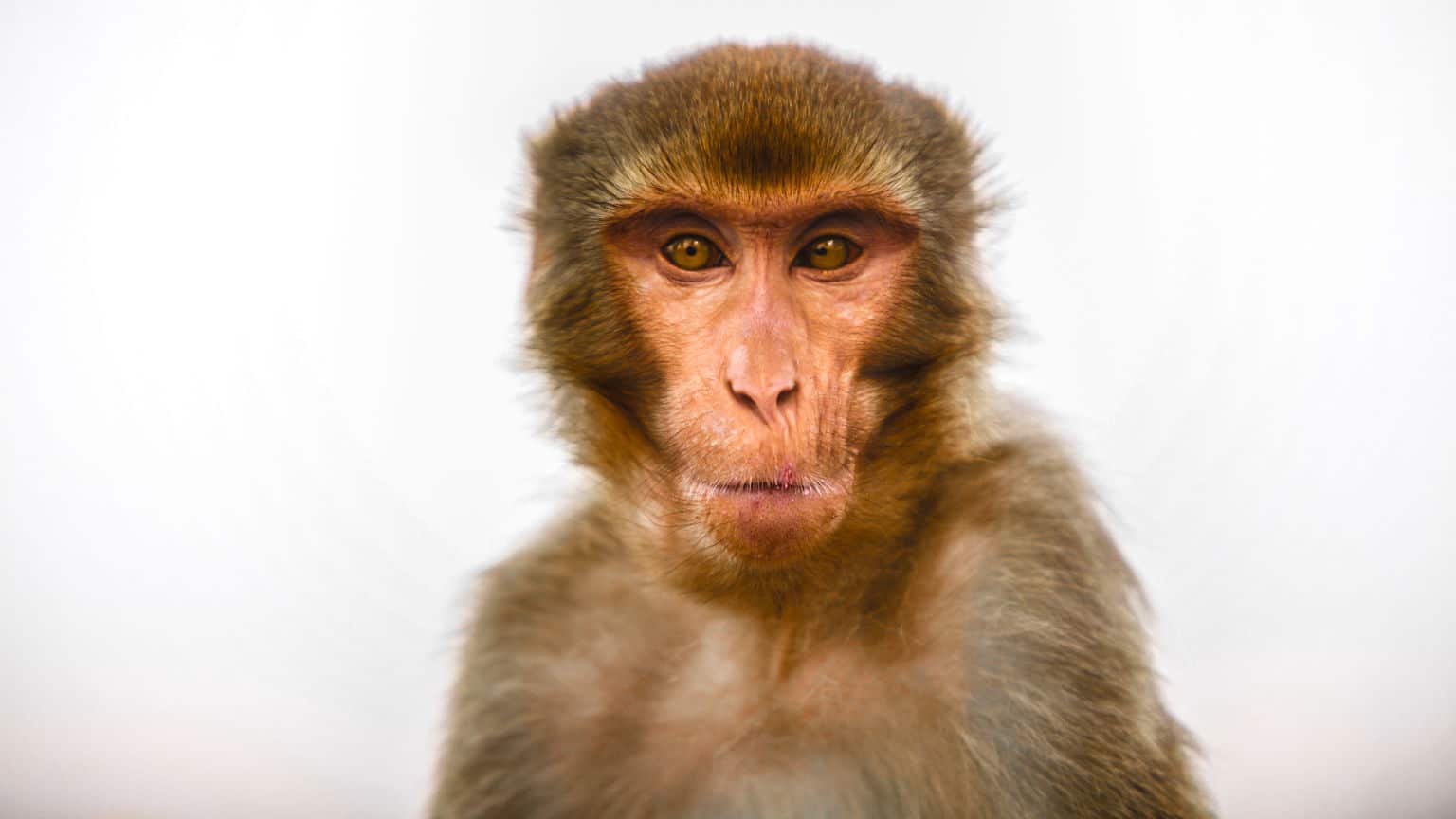
We will also visit Swayambhunath Temple, also known as the monkey temple, the oldest shrine in Kathmandu. Its lofty white dome and glittering golden spire are visible for many miles! Explore the UNESCO World Heritage Site and check out the Buddha’s eyes painted on each side of the Stupa.
Afterward, enjoy a cooking demonstration at a local establishment and learn how to make momos (traditional dumplings). Afterward, taste the delicious dishes made with an included Nepali lunch.
The evening is free to do as you please. Opt to visit Pashupatinath, the most famous Hindu temple in the country, located on the banks of the holy Bagmati River.
Approximate travel time: 1 hr by private vehicle
Meals included: Lunch
Drive across the mountains to beautiful Pokhara. Immerse yourself in the views of the spectacular Annapurna Range.
The drive is long, and the road is curvy and can be rough. You also have the option to upgrade to a flight from Kathmandu to Pokhara. More details about the optional flight will be available about 6 months before departure, and the anticipated cost is approximately $135 USD.
Upon arrival in Pokhara, breathe in the fresh air and take in the views of the Himalayas and Phewa Lake while getting your bearings around this scenic city with an orientation walk.
Approximate travel time: 8-9 hrs by private vehicle
Spend the day as you please, indulging in a variety of optional activities in Pokhara. Find a cute cafe to sip some tea in or maybe go for a short hike in the Annapurna ranges. You could also walk up to Sarangkot for incredible views or spend time boating in Phewa Lake and walk through the gardens.
Leave Pokhara behind and transfer by private vehicle to Chitwan.
Enjoy the hospitality of the Tharu, an indigenous community from the Teral belt of Nepal who live in eco-friendly homes. Experience their unique culture through dances, songs, and a delicious traditional meal. Stay on the property in private guesthouses that resemble the traditional village architecture of the local Tharu people. Enjoy modern conveniences like running water, comfortable beds, and mosquito nets. The 14 cottages are each named after the local woman that manages the property. There are also tended gardens and small patches of farmland in the village compound with animals tethered inside the pastures.
Explore the village and its surroundings with a guided bike ride. Enjoy sunset on the banks of the Narayani river over a cup of tea.
Any meals will be eaten in the communal dining hall, and the local women will serve you food entirely sourced from the surrounding land and community.
Approximate travel time: 4-5 hrs by private vehicle
Meals included: Dinner
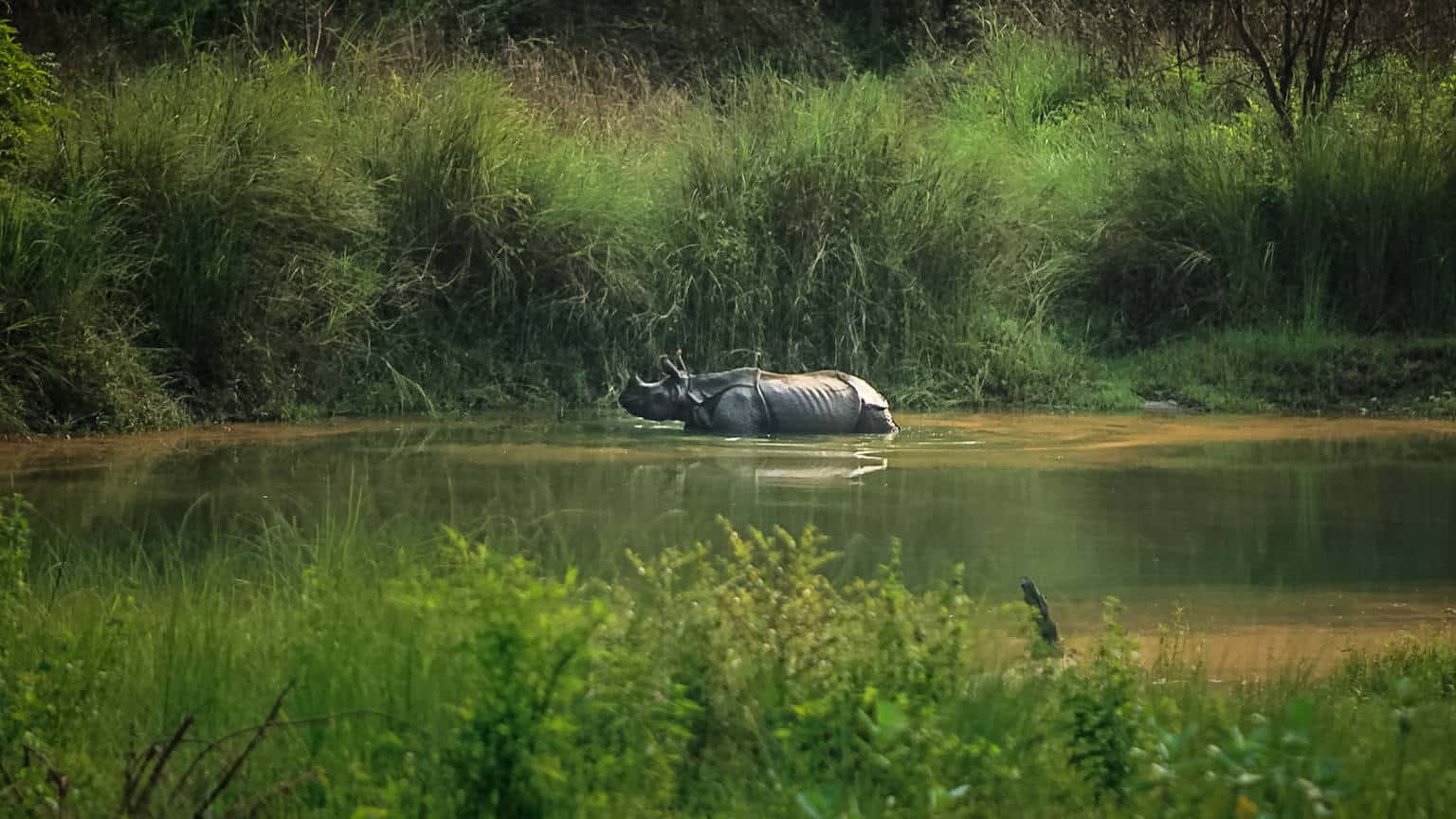
Today we explore the UNESCO World Heritage-listed Royal Chitwan National Park in a 4×4 jeep safari. Keep your eyes peeled for the many animals that live there, including birds, monkeys, crocodiles, and rhinos. If you’re lucky, you might get to see an elusive tiger. You will also have some free time in the park.
Known as the Terai Tarai (“moist land”), the landscape you travel through today is a belt of marshy grassland, savannah, and forests at the base of the Himalayas. The Terai-Duar region is home to the endangered Indian rhinoceros, as well as elephants, Bengal tigers, bears, leopards, and other wild animals. The Royal Chitwan National Park and Royal Bardia National Park preserve significant sections of habitat for these animals, making them home to some of the greatest concentrations of rhinoceros and tigers left in South Asia.
Later, explore the village and its surroundings with a guided bike ride. Enjoy the sunset on the banks of the Narayani River over a cup of tea.
We will return to Kathmandu and where you will be able to enjoy a free afternoon to continue exploring or shopping. We recommend visiting the burning ghats at Pashupatinath and Swayambhunath, also known as the Monkey Temple.
Approximate travel time: 6 hrs by private vehicle
Fly from Nepal to Bhutan today for the start of the next leg of your adventure. Your Nepalese tour leader will drop you off at the airport in Kathmandu, and you will be picked up by your Bhutanese tour leader in Paro. You will be transferred from the Paro airport to Thimphu where you will have a group dinner.
Thimphu is the capital of the Himalayan kingdom of Bhutan. It is also Bhutan’s largest city and displays loads of traditional Bhutanese art, architecture, and culture. It’s a modern city with a unique character. You’ll see the old and the new blend together here as you walk the streets lined with restaurants and cafes that sit alongside old fortresses and monasteries. Did you know that Thimphu is the only capital city in the world without any traffic lights? Get to know the area on an orientation experience by visiting sites like the textile museum and old clock tower.
In Bhutan, all meals are included in the trip’s price, including tonight’s dinner.
Approximate travel time: 1 hr by plane, 1.5 hrs by private vehicle
Meals included: Dinner
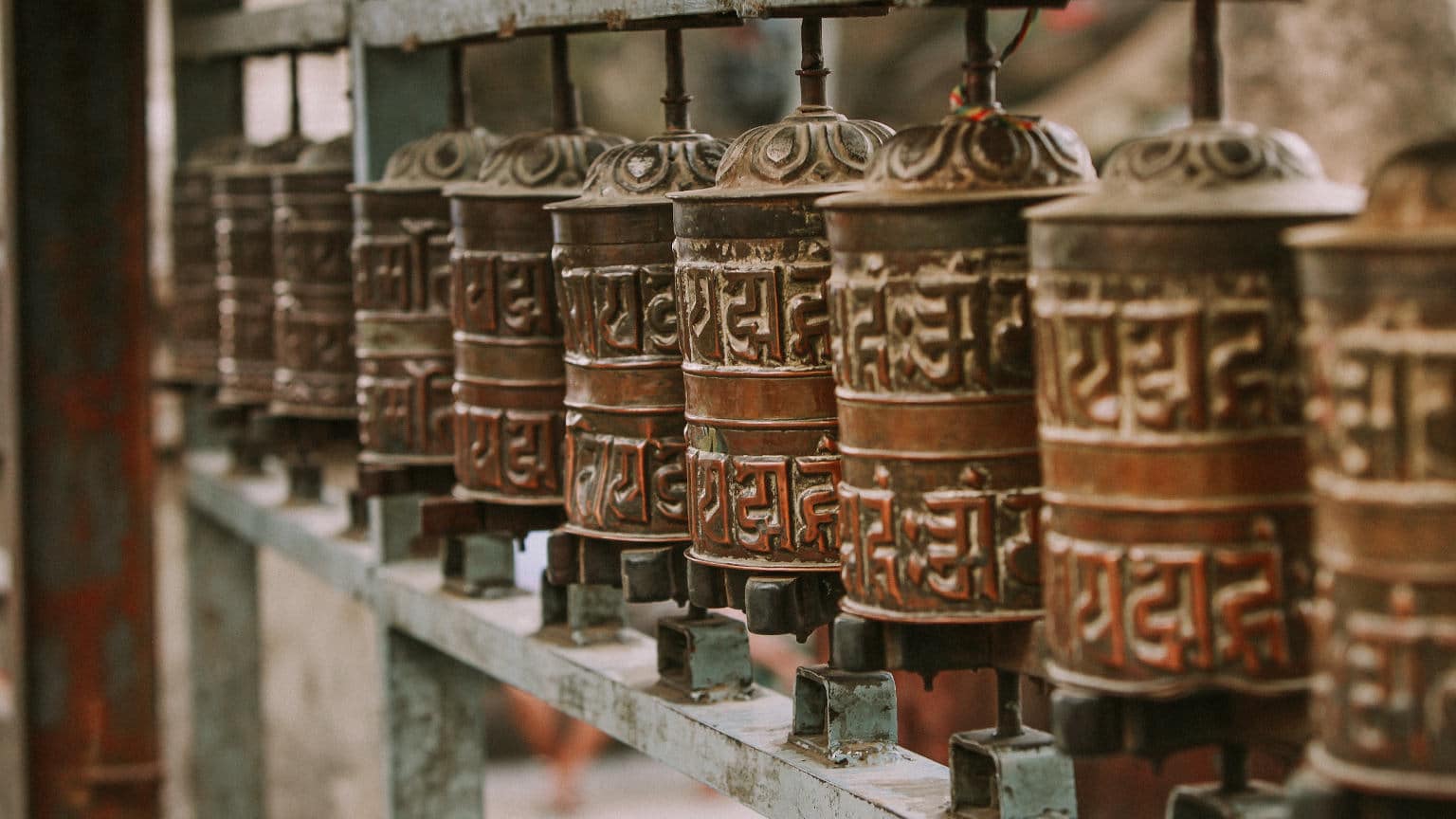
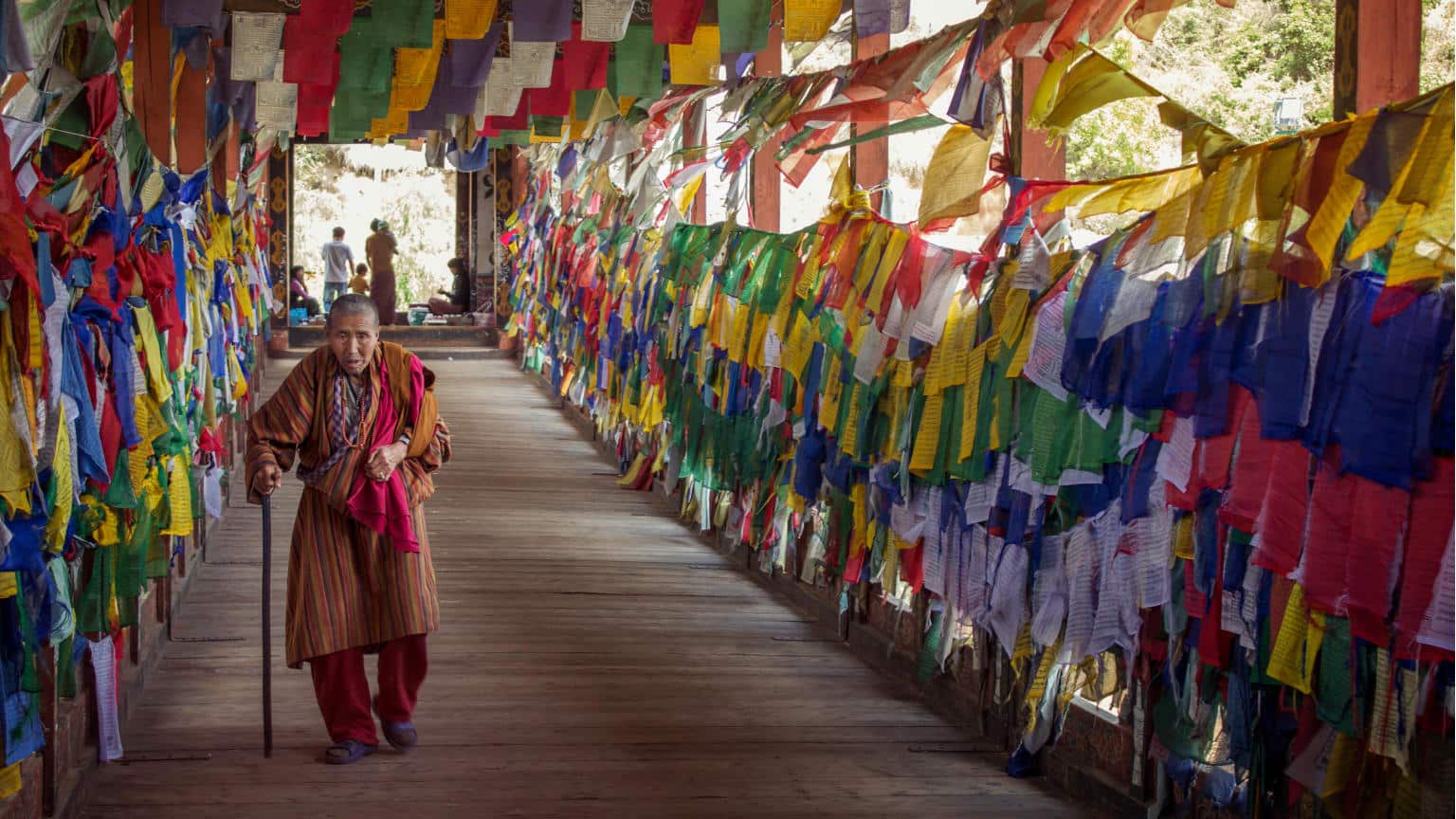
Start the day off with a visit to the National Memorial Chorten. The chorten is one of the most prominent religious structures in Thimphu, and for local Bhutanese, it is a popular part of their daily prayers. Watch locals walk around the Chorten, spinning the prayer wheels and meditating in this lovely and peaceful spot.
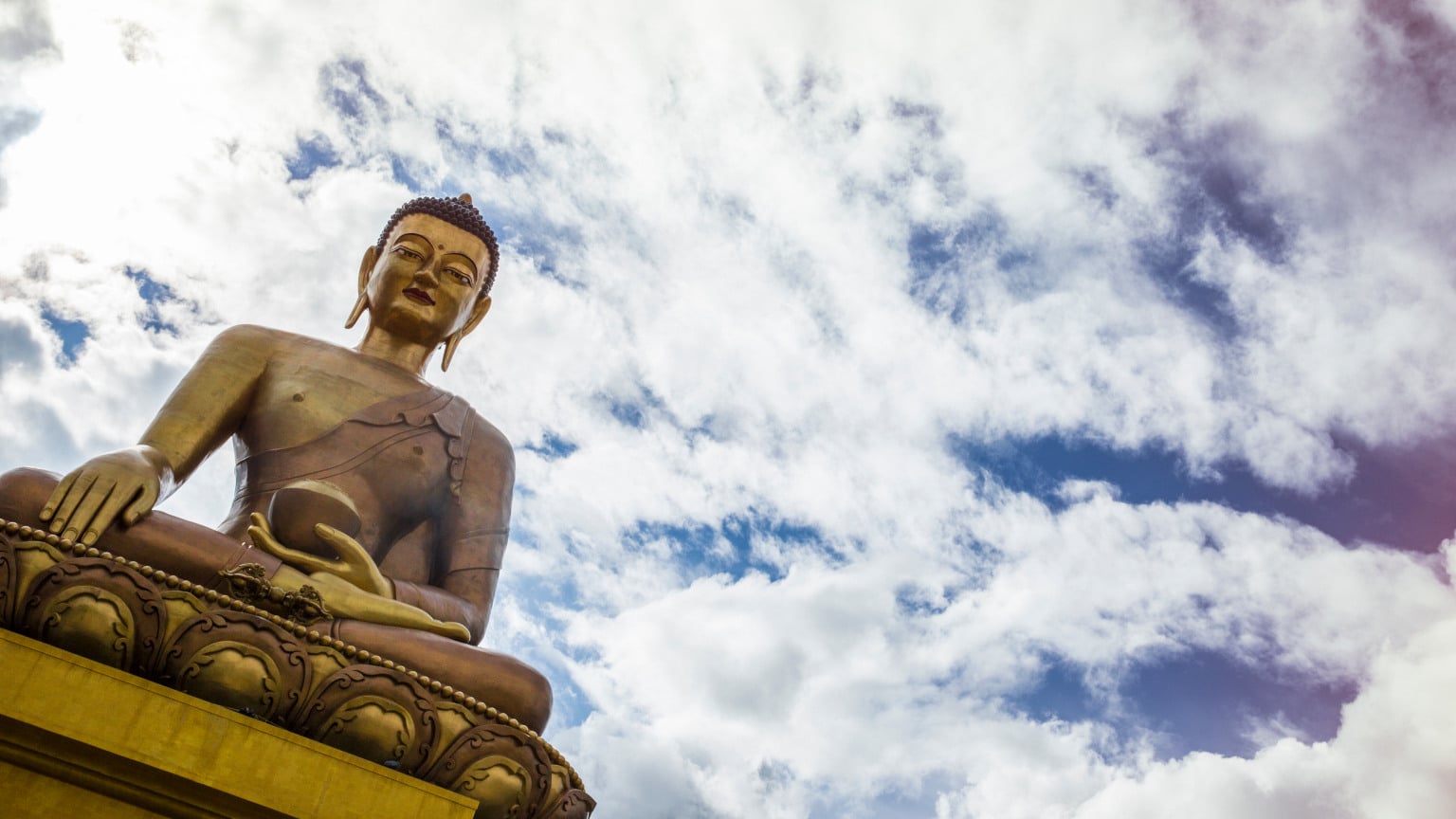
We will then travel to “Buddha Point,” home to Thimphu’s most recognized landmark, the Buddha Dordenma. Guarding the entry to the Thimphu Valley, this 51-meter (167ft) gilded bronze statue is filled with 125,000 miniature statues and sits atop a three-story base housing a chapel and thousands of donated statuettes. The statue was commissioned to mark His Majesty the Fourth King of Bhutan, Jigme Singye Wangchuck’s 60th birthday and was initially made in China before being transported to Thimphu in pieces.
Later, visit the Motithang Takin Preserve, which was once a mini zoo. The area was converted into a preserve for Bhutan’s national animal, the takin, a cross between a goat and an antelope.
In the evening, visit the Tashichho Dzong, a Buddhist monastery and fortress. Its main building is typical of Bhutanese architecture, with whitewashed walls and a golden roof. The original structure was built in 1216 and now houses the civil government.
Meals included: Breakfast | Lunch | Dinner
We depart the Thimpu Valley and drive to Punakha, with a stop at the Dochula Pass. This mountain pass is 10,171 feet above sea level. The wife of the former King of Bhutan has built 108 stupas here in honor of Bhutanese soldiers who were killed in a battle against insurgents from India in 2003. When the weather is clear, the pass offers panoramic views of the Himalayan Mountains.
After arriving in Punakha, we will take a short hike to Chimi Lhakhang, temple of the “Divine Madman.” We’ll pass through rice patties, a small neighborhood, and then up steep stairs to get to the temple. Built in 1499, it is mainly visited today by women as it is known as the temple of fertility. The hike there and back will take about a little less than an hour.
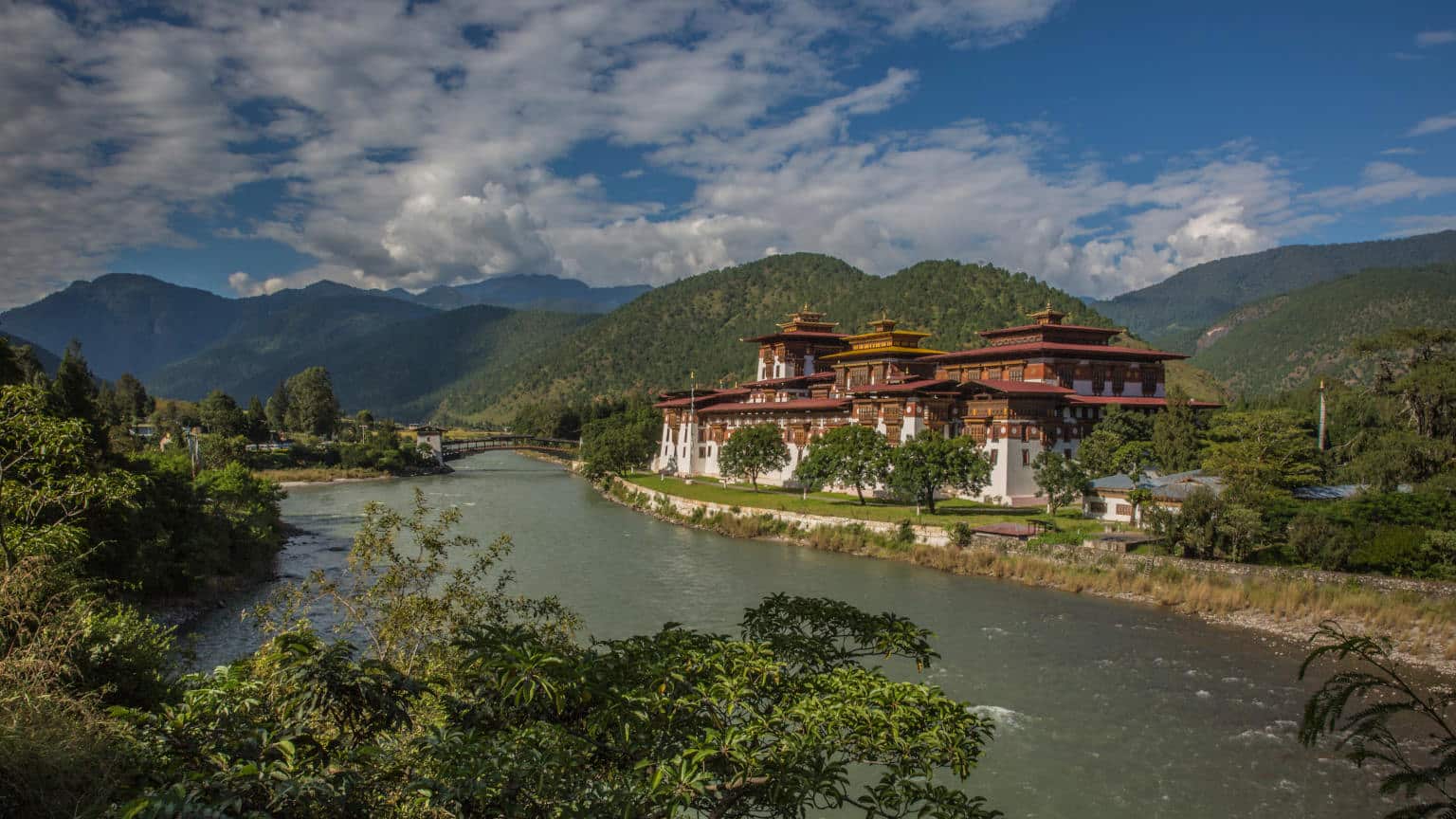
In the afternoon, we visit Punakha Dzong. The winter seat of the Je Khenpo and the Monk Body, it is located between the rivers of the Mo (female) Chu and Pho (male) Chu. It is the second oldest and second largest dzong (fortress) in Bhutan and one of its most majestic structures, housing many sacred relics. It is also the winter capital of the Je Khenpo (chief abbot). Built by Zhabdrung Ngawang Namgyal in around 1637. Arguably, it is the most beautiful Dzong in the country. The Dzong guards Bhutan’s most treasured relic, the Rangjung Kharsapani, an image of Chenresig kept away from the public in the utse (tower). It has survived Tibetan invasions, numerous fires, floods, and a glacial lake burst. The Dzong served as the capital and seat of the Bhutanese Government until the early 1950s; and the coronation of the His Majesty the First Druk, Gyalpo Ugyen Wangchuck, took place here.
Approximate travel time: 3-4 hrs by private vehicle
Meals included: Breakfast | Lunch | Dinner
This morning we will drive to Paro, which lies at the center of a valley full of ancient sites and buildings. The area is covered with terraced paddy fields, quaint farmhouses scattered throughout the valley and green forests overlooking the Paro Chhu River snaking below. Enjoy an orientation walk of this beautiful place and learn about ancient Bhutanese artifacts and artwork.
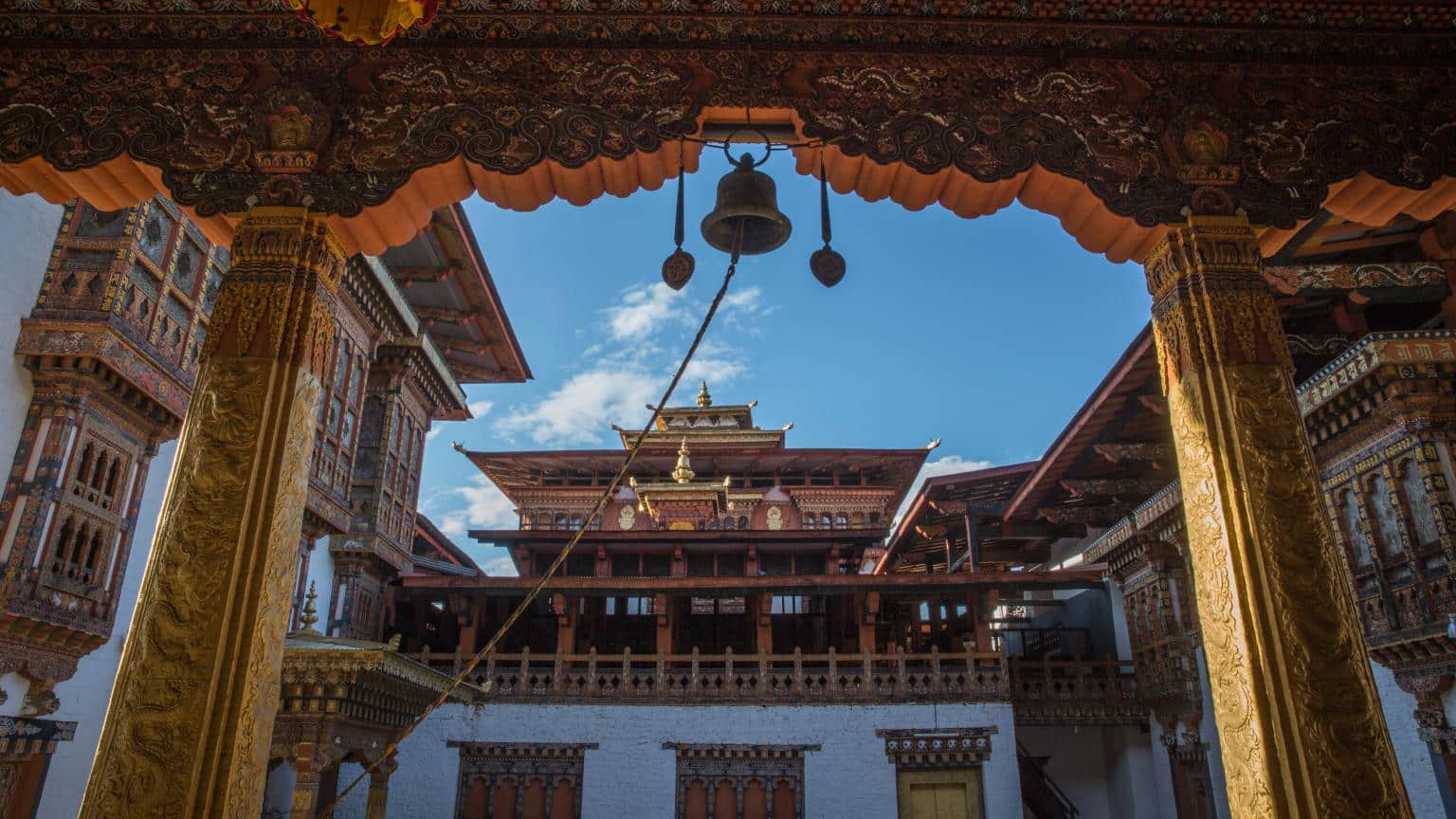
We will visit the Paro Rinpung Dzong, which means ‘Fortress on a Heap of Jewels.” The original construction of this dzong is believed to have been completed in 1458 and restored to its present glory by His Majesty the Third of Bhutan, King Jigme Dorji Wangchuck, to mark his royal wedding in 1951.
If possible, we will visit a local archery ground to watch locals practice or compete with unbelievable accuracy and precision as they hit distant targets.
You’ll have free time to visit other sites in Paro like the ruins of the Drukgyel Dzong or Kyichu Lhakhang, one of the two oldest monasteries in Bhutan. Maybe head for a visit to the National Museum of Bhutan. There are statues, paintings, sacred masks, and costumes all located in a seven-story watchtower.
Approximate travel time: 3-4 hours by private vehicle
Meals included: Breakfast | Lunch | Dinner
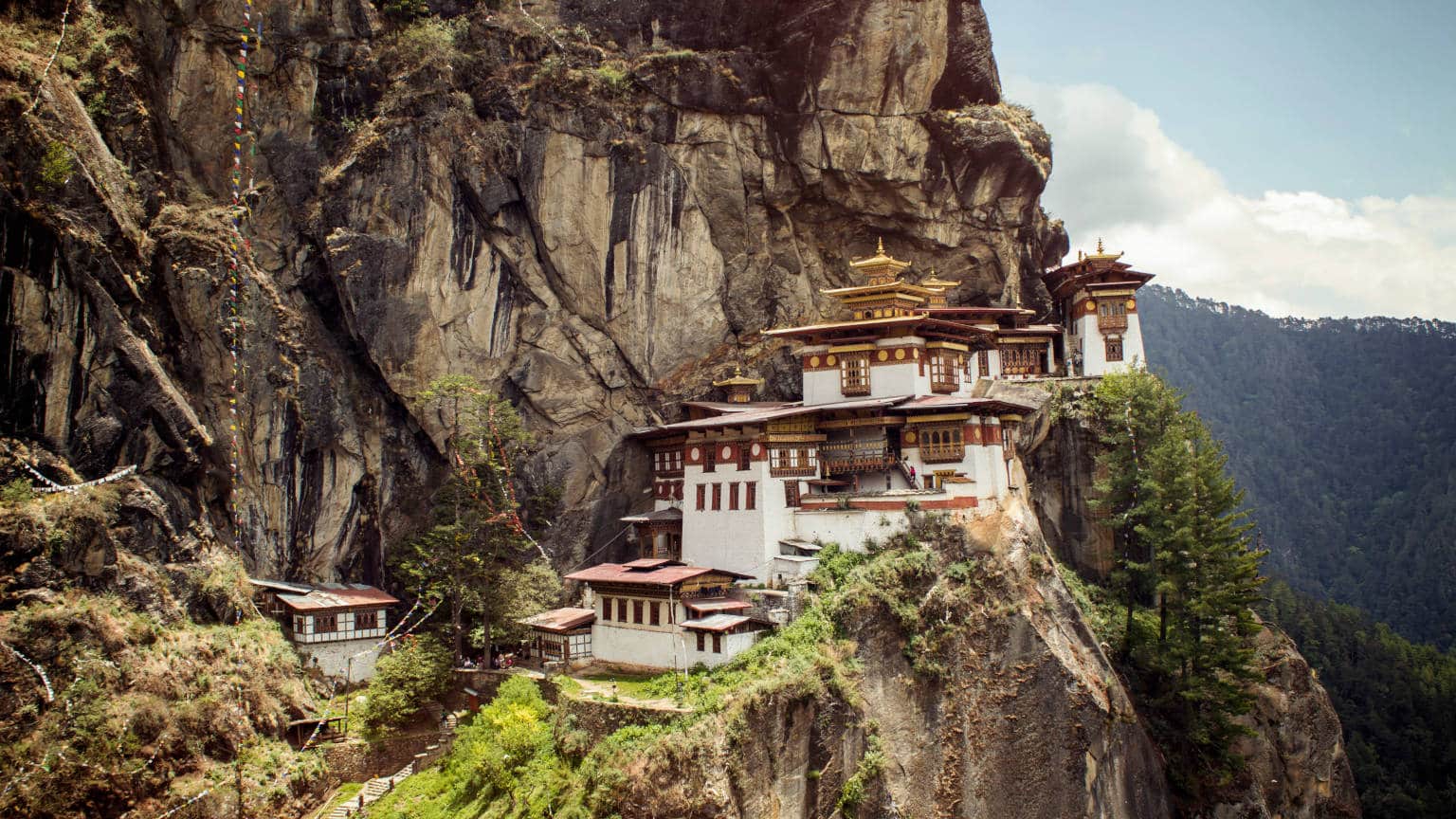
Hike up to the Taktsang monastery (Tiger’s Nest), containing 13 holy relics, it’s considered one of the most venerated pilgrimage sites of the Himalayan world. It is also where Guru Padmasambhava is said to have landed on the back of a tigress in the 8th century. Take in the stunning views en route and the incredible vista from this monastery, which clings to the rock towering 2,953m above the valley.
The group will hike from 7,875 feet elevation to 10,170 feet at the Taktsang Monastery before returning to 7,875 feet on the same day. The climb should take around 6 hours for a total distance of 7 km. Your tour leader can arrange a horseback ride that will take you roughly halfway to the Taksang Monastery. A handler leads the horse, so is possible for travelers who have little to no experience riding horses.
You will have some free time in Paro after you return for last-minute shopping or exploring. We’ll also have one last group dinner.
Meals included: Breakfast | Lunch | Dinner
There are no planned activities today, so you may depart Paro at any time. A complimentary transfer to Paro International Airport (PBH) is included, and your tour leader will help arrange all exit formalities before you begin your journey home. Your fellow travelers are also likely to be on some of the same flights, either to Kathmandu or Delhi.
Turn waiting at the airport into an art class! Visit the hands-on art experience at VAST (Voluntary Artists’ Studio Thimphu) Happy Brush Activity Corner in the Paro Airport. The initiative works to nurture the artistic potential of Bhutanese youth by involving youth in community service, while empowering them to explore art as a viable and fulfilling career path. Through different hands-on activities, like painting a traditional mask featured in the festivals and folklore of Bhutan.
If you have a connecting flight in India, you will likely need an Indian tourist e-visa, even for a brief stopover. See our guidance here.
Please note that check-out time from the hotel is usually mid-morning, but luggage storage services are available at the reception desk.
Meals included: Breakfast
- Want more adventure? Book two or more GEEO programs in the same school year and receive 10% off the lesser value program(s), up to 3 programs per year.
- Interested in extending your time abroad? Beyond our educator programs, we can also help you book from G Adventures’ extensive catalog of tours. These tours aren’t tailored to educators the way our programs are, but booking through GEEO means you’ll receive a discounted educator rate while supporting our nonprofit work.
Where you'll stay
The hotels listed below reflect the properties expected to be used for this program. Final accommodations are subject to change based on group size, availability, or seasonality. The confirmed start and end hotels are listed on your trip voucher:
*Itinerary Disclaimer: While it is our intention to adhere to the routes described on our website, there is a certain amount of flexibility built into the itinerary and on occasion it may be necessary, or desirable, to make alterations. The itinerary is brief, as we never know exactly where our journey will take us. Due to our style of travel and the regions we visit, travel can be unpredictable. The information on our website is a general guide to the tour and region, and any mention of specific destinations or wildlife is by no means a guarantee that they will be visited or encountered. Additionally, any travel times listed are approximations only and subject to vary due to local circumstances.
Important Info
Important
Before you decide to travel with GEEO, it is important that you read all of the program information on this page. Our programs are quite adventurous, and we find that travelers who review the full trip details are happier with their experiences.
- Terms and Conditions: Review GEEO’s full Terms and Conditions before signing up for a GEEO program, especially information related to deposits, our cancellation policy, mandatory travel insurance, etc.
- Confirmation Process: Understand GEEO’s trip confirmation process.
- FAQs: Find essential information that applies to all GEEO programs.
- Browse Classroom Resources: Recommended Reading | Lesson Plans | Pinterest boards
Trip Notes & Expectations
ACCOMMODATION
Our program fees are based on double-occupancy accommodation (see “Single Travelers” below if you do not have a travel companion and would be interested in a private room). Our accommodations are selected for safety, cleanliness, and convenient locations. While they are comfortable and well-suited for group travel, they are generally simple rather than luxury properties in order to keep the program affordable.
Extra Nights: If you are planning to extend your stay in Bhutan, post-tour accommodation MUST be booked through GEEO in order for us to issue a valid visa for the duration of your stay. These extra nights will include a guide and meals in addition to the accommodation.
Note: Water and electricity can be sporadic. There tends to be a lot of street noise (i.e., barking dogs) at night, which can be annoying. It’s advisable to bring earplugs.
TRANSPORTATION
We use a private vehicle that gets our guests from location to location safely. Sometimes you will have full days of transportation as this trip covers a lot of ground. Transportation will often be an adventure in itself.
BHUTAN TOURISM RULES
Bhutan has specific tourism rules designed to preserve its culture and environment. Your program price already includes the mandatory Sustainable Development Fee (SDF), visa, a licensed guide, all transportation, and approved accommodations for the scheduled days of your trip.
MEALS
Most meals in Bhutan are included in the cost of the trip – some are in the accommodation where it is the best quality/availability option. Most meals are served buffet-style with a selection of traditional Bhutanese food, some western-style (often pasta), as well as some Chinese. Fresh local vegetables are in abundance, and while Bhutan is mostly vegetarian, there usually is one meat dish available (on some occasions, there can be shortages, as all meat is imported from India). We recommend always carrying snacks with you. Meals can sometimes be far apart.
ACTIVITY LEVEL & PACE
This trip includes some high-altitude hikes or more strenuous activities, but it is accessible to most healthy travelers. Please make sure you have thoroughly read the itinerary and can handle the group activities, which sometimes include day hikes with your daypacks.
CAMERA RULES
There may be times during your visit to Bhutan when the use of video and/or still cameras may be inappropriate. You cannot take pictures or videos inside temples. Local people may consider that filming is too intrusive, and in these circumstances, we will request that you do not film. At all times, be aware and sensitive to the impact of photography, and seek permission before taking photographs of people and respect their wishes if they refuse.
Drones: Drones and the flying of drones are prohibited in Nepal and Bhutan. If you violate these regulations, the police may take you into custody.
CLOTHES & DRESS
Bhutan is very conservative and you should dress accordingly. As a general guideline, shoulders and legs should be covered at all times. The wearing of shorts is not allowed (except while hiking), as it will restrict your entry into buildings of a religious nature and family homes. A water and windproof jacket is useful and a hat and sunscreen essential. Due to the altitude, it can be cold in the mountains even in the summer.
BHUTAN FLIGHTS
Flights to/from Bhutan do not show up in most travel search engines. Instead, search for flights on the Drukair and Bhutan Airlines websites. If you would like assistance searching for flights, please feel free to contact us. See the “Flights” section below for more information.
GROUP LEADER
All GEEO programs are led by a G Adventures Chief Experience Officer (CEO), whose role is to take the hassle out of travel and help you get the most from your trip. They’ll share information about the places you visit, suggest activities and restaurants, and introduce you to our local friends. While not traditional guides, CEOs have broad knowledge of the region’s history, culture, and daily life. On some excursions, local guides are used for deeper insight.
You will have different tour leaders in Nepal vs Bhutan. The Nepalese guide will help get you into the airport in Kathmandu, and the Bhutanese tour leader will pick you up as soon as you exit the airport in Paro.
Single Travelers
Traveling solo? You’re in good company—about half of our participants do the same.
Shared room by default. The program fee covers one person in a twin room. We’ll pair you with a roommate of the same gender if you don’t have a travel companion.
Want a private room? Most trips offer a “My Own Room” (single-supplement) upgrade. Check the price in the Add-Ons & Budgeting section, then email [email protected] to reserve it. You pay the single-supplement only if you request it.
Emergency Contacts
If you need urgent help during your trip, call the local G Adventures office first. If no one answers, leave a detailed message with your name and contact information so they can return your call as soon as possible.
EMERGENCY CONTACT NUMBERS:
G Adventures Local Office (Delhi)
G Adventures South Asia Manager, Rishab (Delhi, India)
Emergency number:
From outside of India: +91 99 7179 5447
From within Delhi: 99 7179 5447
From within India, but outside Delhi: 099 7179 5447
G Adventures Asia Office in Bangkok (If for some reason you can’t reach any of India emergency numbers)
8:00 a.m.-6:00 p.m. CST (GMT +7)
Tel: +66 2 252 6642
If for any reason you are unable to reach the G Adventures local office, please call the numbers listed below to connect with their Sales team, who will happily assist you.
Toll-free, North America only: 1 888 800 4100
Calls from UK: 0344 272 0000
Calls from Germany: 0800 365 1000
Calls from Australia: 1 300 796 618
Calls from New Zealand: 0800 333 307
Outside North America, Australia, New Zealand, Germany and the UK: +1 416 260 0999
If your call is specifically concerning Airport Transfer complications, please call the local transfer provider directly:
From outside India: +91 9278708888
From within Delhi: 9278708888
From outside Delhi: 09278708888
Packing List
See our blog post of staff-recommended gear to help you pack for your upcoming travels. You must be able to carry your own luggage—up stairs, on and off of transport, and during 15 to 20 minute walks. Bring one small or medium backpack or rolling bag (22-30lb) and one daypack for daily items. Space is limited on transportation, so oversized bags cannot travel.
As you prepare your packing list, we recommend checking average weather conditions for your destination.
-
Chargers/AdaptersDevice chargers and electrical adapters (and a converter if needed); portable charger/power bank
-
ClothingPack for mild-to-warm weather (8-9 outfits so you only need to do laundry once). Bhutan is very conservative, so plan on covering shoulders and legs most of the time. Pack lightweight, quick-dry clothing that mixes and matches easily.
-
Light windproof/waterproof jacket
-
DaypackSmall backpack to carry water, camera, and essentials while exploring
-
Walking shoesOne good pair of broken-in, comfortable, sturdy walking shoes is essential
-
Sport sandals or flip-flopsWater activities, hotel floors, or just to keep your feet cool and comfortable
-
Rain protectionWindproof rain jacket, poncho, or small travel umbrella
-
Modest clothing for religious/cultural sitesClothing covering shoulders and knees; scarf for women; easy-off shoes for temples, etc. Cultural expectations vary by destination, so please research yours in advance.
-
Sun protectionSun block, sunglasses, hat
-
Flashlight or headlamp
-
Insect repellantConsider DEET-based or a strong natural alternative
-
First Aid KitIncluding: lip balm with sunscreen, sunscreen, whistle, Aspirin, Ibuprofen, bandaids, tape, anti-histamines, antibacterial gel/wipes, antiseptic cream, Imodium or similar for mild cases of diarrhea, rehydration powder, water purification tablets or drops, insect repellent, sewing kit, extra prescription drugs you may be taking
-
ToiletriesBasic toiletries (some hotels may not provide all items, esp. conditioner); small amount of biodegradable soap for laundry
-
Light fleece topFor chilly airports, flights, nights, etc.
-
Hiking itemsIf you decide to participate in optional hikes (Taktsang Monastery/Tiger’s Nest, Chimi Lhakhang, Annapurna foothills near Pokhara), we recommend hiking shoes and socks, layered breathable tops, hiking poles if you like to use them, etc.
-
Sleep accessoriesTravel pillow, lightweight silk sleep sheet, earplugs
-
Organization aidsAirTags or Tile trackers, bag locks, packing cubes, ziplock bags
-
Backpack rain cover or plastic bagskeeps your bag and belongings dry during transport or if it rains
-
Money belt
-
Hand sanitizer/baby wipes
-
Reusable water bottle
-
SnacksPacking a few granola bars is a good idea; you can also buy snacks when you get there too, so don’t go crazy
-
Passport
-
G Adventures voucher(s)
-
Entry RequirementsAny required visas, travel authorizations, vaccine certificates, etc.
-
Flight itinerary/boarding pass(es)
-
Cash and credit/debit card(s)
-
Travel insurance ID card
-
GEEO Classroom action plans for your groupThis will be emailed to you a week before your trip
*Laundry: Laundry facilities are offered by some of our hotels for a charge, or you can ask your tour leader where the nearest laundromat is located. In case you want to do your own laundry, we suggest you bring your own non-polluting/biodegradable soap.
Passports and Visas
Travelers are responsible for securing all required travel documents and meeting the entry requirements for every country on their itinerary, including applicable transit/layover countries.
PASSPORT
All travelers must have a passport valid for at least 6 months beyond your trip dates with enough blank pages for stamps. Need to apply or renew? Start here.
ENTRY/VISA REQUIREMENTS
Your Bhutan visa will be arranged by G Adventures and is included in the program price. You will receive the visa by email prior to your arrival in Bhutan. To arrange your Bhutan visa, G Adventures requires that you submit this form at least 35–40 days before departure.
Visa rules change frequently—always verify the latest requirements on the U.S. State Department Country Information Pages. Non-U.S. passport holders should verify requirements with your country’s official government resources. You can also use Sherpa, a third-party service and trusted G Adventures partner to look up the latest requirements.
*INDIA
Most flights between Bhutan and the U.S. connect through India. If your flight transits through an Indian airport (even brief connections), you must obtain an India tourist e-visa. See our India visa guidance here.
You will also need to complete a free e-Arrival Card before departing for India. This is now mandatory for all foreign nationals, and airlines are checking for it at check-in. It must be submitted no more than 72 hours before your scheduled arrival in India. Complete it at indianvisaonline.gov.in/earrival or via the Su-Swagatam mobile app. Paper forms are no longer accepted.
Money
Currency: The local currency in Nepal is the Nepalese rupee (NPR), and the local currency in Bhutan is the Bhutanese ngultrum (BTN), although the Indian rupee is also widely accepted in both countries. For current exchange rates, visit www.xe.com. The Ngultrum (local currency) is valueless outside of Bhutan so make sure that you change back all excess Bhutanese currency before you leave.
Credit/Debit Cards: Credit cards (especially Visa and Mastercard) are accepted at many hotels, shops, and restaurants, but not everywhere. Some vendors may also charge an international transaction fee, so check with your bank before you travel.
Cash: For small purchases, tipping, or places that don’t take cards, we recommend using ATMs to withdraw local currency while traveling. If you bring U.S. dollars to exchange, the bills must be new, unmarked, and in excellent condition—damaged or older notes are often rejected.
Emergency Funds: Bring at least $200 USD (or the equivalent in local currency) in cash for emergencies in case of ATM or card issues. Always carry more rather than less to avoid feeling short of funds while traveling.
For more advice, see our post, Smart Travel Finances: Your Guide to Money, ATMs, Fees, and Safety Abroad
Tipping
Tipping is optional but appreciated and goes a long way for the people who look after you on the trip. If you are happy with the service, use these ballpark amounts and adjust as you see fit:
– Service providers/Waiters: 10% of the bill.
– Local guides and drivers: $20 USD each for your drivers in Nepal and Bhutan.
– G Adventures tour leader (CEO): $20-30 USD per person per week. (We suggest pooling contributions in an envelope and presenting it as a group)
Tipping Kitty: On some trips, your CEO may suggest a “tipping kitty” where everyone contributes at the start of the tour, and the CEO uses that pooled amount to tip service providers for the group as a whole (not including your CEO). Altogether these tips end up around $70 USD. If your CEO doesn’t mention it and you’d like to use a kitty, we recommend asking about it early in the trip. Your CEO will advise the suggested amount and preferred currency for the kitty.
Vaccinations
GEEO cannot provide any medical advice, so it is very important to consult your doctor or a travel clinic about which vaccinations you will need for your trip. We recommend contacting Passport Health, which has travel clinics located throughout the United States. You can also check the CDC’s recommended vaccinations for your destination.
This trip takes place at high altitude, which is medically defined as anything over 8,000 feet (2,440 meters). Most people can travel to 8,000 feet with minimal effects. However, everyone reacts to altitude differently, and altitude sickness can affect some people irrespective of fitness and age. For details on how to best prepare and what to do in the unlikely event you are affected on your adventure, please consult with your physician.
Flights
Wait for official trip confirmation via email from GEEO before booking your flights. Prices tend to be lowest 90–120 days out, but that window varies by route and year. Neither GEEO nor G Adventures bears responsibility for any flights purchased before the trip is confirmed.
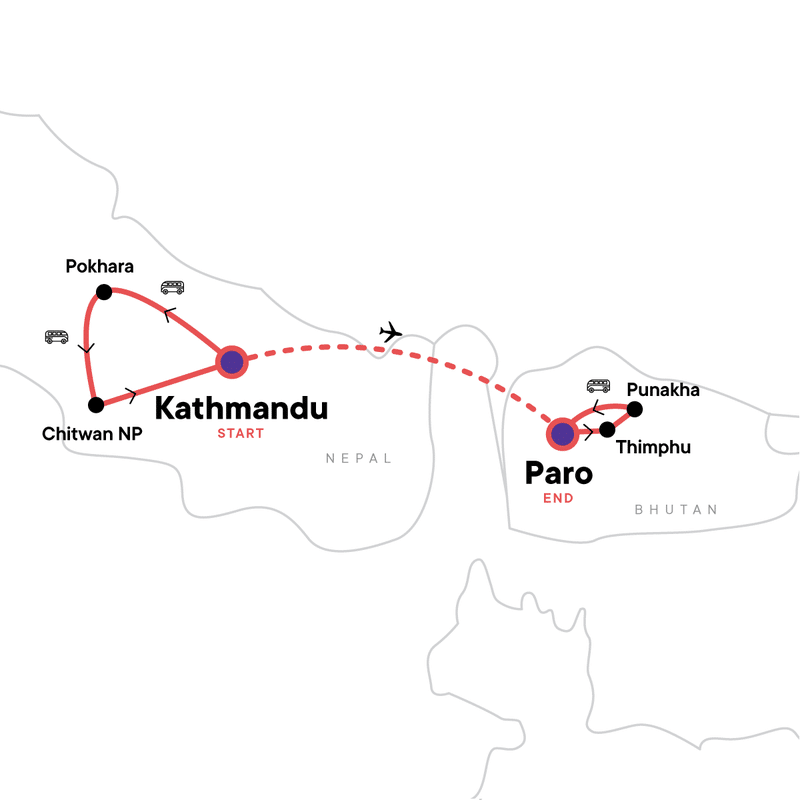
This program begins in Kathmandu and ends in Paro. Paro’s airport (PBH) is a unique destination not serviced by most international airlines. You will need to book a separate, regional flight to and from Paro from a nearby hub. These flights are only operated by one of two airlines: Druk Air or Bhutan Airlines.
Flights to/from Paro are available from cities such as Kathmandu, Bangkok, Delhi, or Kolkata. The best option is likely to book a round-trip ticket to Kathmandu in addition to a one-way flight from Paro to Kathmandu. If you are transiting through India, please be sure to check the visa requirements.
Check the itinerary for the required arrival date. Aim to arrive no later than mid-afternoon for the 6 p.m. Day-1 welcome meeting, and consider arriving a day or two early to buffer flight delays and see more of Kathmandu. You can depart from Paro any time on the final day.
Plugs and Converters
India and Nepal use Type G, Type C, and Type D plugs and the voltage is 230V. To use your electronics safely, you’ll need to consider:
1. Adapter (plug shape)
Adapts your U.S. plug to fit another type of socket. See our recommended all-in-one travel adapter in our Gear Recommendations post.
2. Converter / transformer (voltage)
Steps the outlet voltage down to 120V for U.S. appliances that can’t handle higher voltage.
Check what you need: Look on your device’s plug or power brick. “Input: 100-240V” works worldwide—you only need a plug adapter. Any range narrower (e.g., “110-120V” or “Input: 120V”) means you need an adapter and a voltage converter to avoid damage. Converters are inexpensive and available online or in travel stores.
Weather
In October, Nepal and Bhutan experience some of the best weather conditions of the year, ideal for travel and trekking. Temperatures are relatively mild to warm, although higher elevations can be colder, especially at night. There is very little rainfall, with generally clear skies, providing excellent visibility for mountain views.
Historical Monthly Weather Averages
Kathmandu
Pokhara
Sauraha
Paro
Punakha
Thimphu
Average High
Average Low
Rainfall
Add-Ons & Budgeting
EXTRA SERVICES TO PRE-BOOK
Send us an email if you would like to pre-book any of the extra services listed below for your program. Space and availability are limited, and pricing is not guaranteed until booked.
*Extra services are non-refundable within 30 days of your program’s start date.
*Costs will be added to your final balance.
| Private/Single Room | $599 (3 left) |
| Pre-trip Hotel (per night) | Hotel Traditional Stay – Single: $55, Twin/Double: $55 |
| Post-trip Hotel (per night) | Hotel Rema Resort – Single: $285, Twin/Double: $545 |
| Airport Transfers | Airport transfers not available for this program. See itinerary Day 1 for transportation options. |
ACTIVITIES TO PRE-BOOK
Everest Flight:
$290 per person
Day 2 (October 4)
Flight to Pokhara: roughly $200 per person
Day 3 (November 2)
Swap the scenic bus ride through the mountains for a much faster flight from Kathmandu to Pokhara. This will give you more time to explore Pokhara and allow you to avoid the long, curvy drive.
Optional On-Site Activities
The following optional activities are booked and paid for locally. Prices shown are the most recent figures from participants and G Adventures. Use them as budgeting estimates only—actual costs may vary. If you arrive early or extend your stay, check out our curated list of Viator tours for additional activity ideas.
For more options, check out GEEO’s recommended Viator tours
-
Boudhanath Stupa Visit:
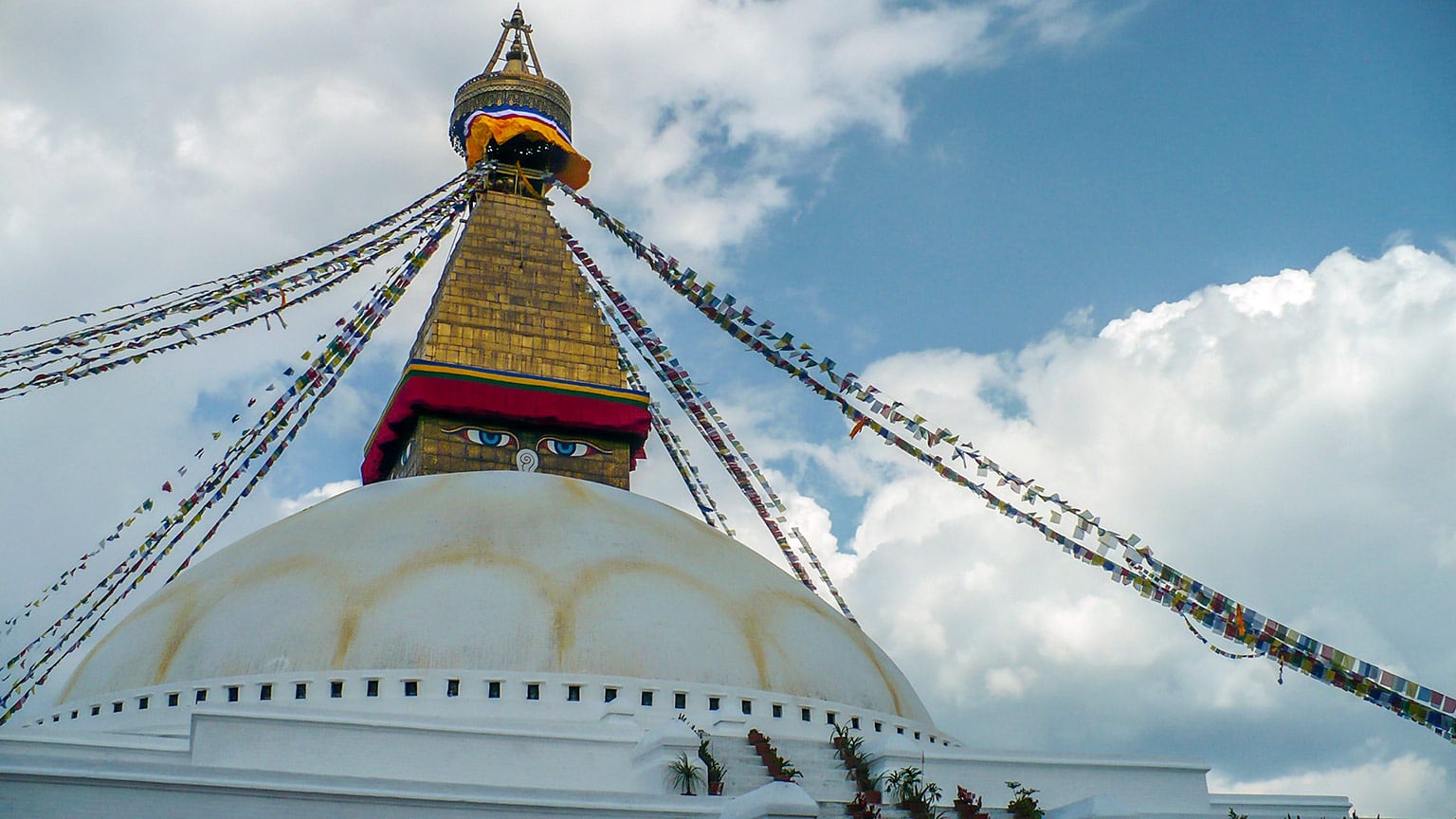
Enjoy a visit to the Boudhanath Stupa, one of the largest Buddhist stupas in the world. Built in the 5th century, it still attracts many pilgrims, particularly Tibetan Buddhists and local Nepalis, and is a UNESCO World Heritage site. See the compassionate eyes of Buddha gazing from the facade and take in the peaceful atmosphere and observe Buddhist monks at prayer in the monasteries surrounding the stupa. Follow the pilgrims walking clockwise around the stupa, rotating the prayer wheels and chanting “OM MANI PADME HUM” meaning “diamond on a lotus.” Continue through the thriving market surrounding the area which is alive with chants, singing bowls, monasteries, shops selling Tibetan wares and cafes serving authentic Tibetan cuisine.
-
Pashupatinath Ghats and Temple Visit:
1,000 NPRForeigners are not allowed inside the main temple.
-
Birdwatching:
Easy
-
Ta Dzong National Museum:
The National Museum of Bhutan houses an extensive collection of Bhutanese art, with pieces dating back for centuries.
-
Kyichu Lhakhang Temple Visit:
Tour Kyichu Lhakhang, one of Bhutan’s oldest temples, where ancient artwork and time-honoured tradition come to life.
-
VAST Airport Experience:
Turn waiting at the airport into an art class! Visit the hands-on art experience at VAST (Voluntary Artists’ Studio Thimphu) Happy Brush Activity Corner in the Paro Airport. The initiative works to nurture the artistic potential of Bhutanese youth by involving youth in community service, while empowering them to explore art as a viable and fulfilling career path. Through different hands-on activities, like painting a traditional mask featured in the festivals and folklore of Bhutan.
Estimated Trip Costs
Use the prices below as ballpark figures to estimate the full cost of your trip and decide what fits your budget.
- GEEO Program Fee: See our price in the top right corner
- Optional Activities: $100 USD
- International Airfare from the United States: Roughly $1,700-2,200 USD
If you require assistance searching for international flights, we would be happy to help you. - Airport Transfers: Budget $10-20 for an arrival transfer. A departure transfer is included.
- Insurance: $30-200 USD
Please note: It is mandatory for all of our travelers to have Emergency Medical insurance that covers both emergency evacuation and repatriation to the sum of $200,000 USD. We also strongly recommend purchasing cancellation insurance as an add-on. - Tipping: Roughly $170 total. We recommend $30 for your G Adventures tour leader in Nepal and $30 for your G Adventures tour leader in Bhutan. Budget another $20 for your driver in Nepal, $20 for your driver in Bhutan, and $70 for the tip pool for other service workers, which your tour leaders will collect and distribute for the entire group.
- Meals not listed in the itinerary: $240-315 USD
- Visas: $30-40 for the Nepalese Visa for Americans depending on the duration of visa. The Bhutanese visa fee is included in the cost of the trip. If your flight itinerary includes a layover in India, you will likely need a tourist eVisa which costs $10-25 USD.
- Laundry, Drinks, Mobile Data, etc.: Make sure you budget for these types of expenses
- Souvenirs: Variable—at your personal discretion
- Vaccines: Variable—please consult with your primary care provider
- Non-Educator Donation: $100 USD (suggested donation)
This is only for non-educator guests traveling with an educator on a GEEO trip. Educators and retired educators should not make this donation.