Use code 'EarlyBird'
Save 5% (8% for GEEO alums)
*Valid for the first 8 registrants
$4398 $4178
Your flight must arrive by or before 3pm on Day 1
Japan 7/17/2027
Overview
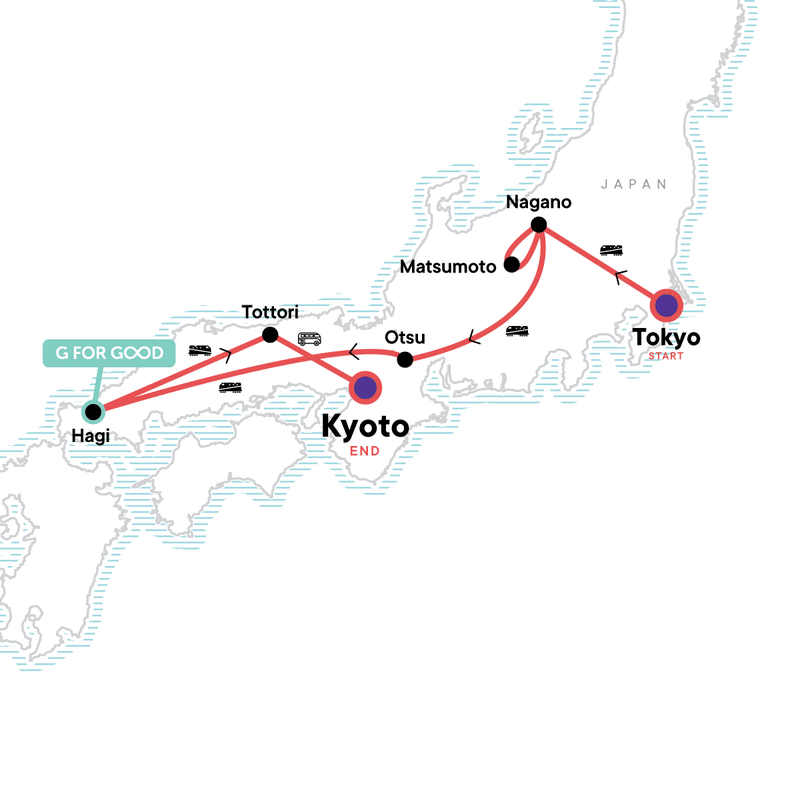
Wander off the beaten path away from Japan's big cities and popular sites with this 11-day tour that takes you to destinations that are often overlooked. Visit the treasured castle of Matsumoto and learn about samurai culture, explore the quaint city of Hagi by bicycle, and settle in at a community homestay to truly immerse yourself in the local culture. Of course, there's time before and after to explore Tokyo and Kyoto, making this trip a well-rounded glimpse into Japan's past and present. Visit Japan with us, all while earning professional development credit with other educators.
What's Included:
- Modern Tokyo walking tour
- Zenkoji Temple visit
- Jigokudani Monkey Park visit
- Matsumoto Castle visit
- Hagi Community Homestay
- Hagi cycling tour
- Tottori sand dunes visit
- Tottori fish market visit
- Fushimi Inari Taisha shrine visit
- Traditional Paper-Making Lesson
- Japan Rail (JR) pass (7 days)
- G Adventures tour leader throughout
- 3 breakfasts, 1 lunch, 3 dinners – allow $450-665 USD for meals not included
- Hotels (8 nts), homestay (2 nts, multi-share).
- All transport between destinations and to/from included activities by Bus, subway, bullet train, local train, bicycle, walking
What's Not Included:
- International air travel
- Incidentals
- Travel health and cancellation insurance
- Applicable visas
- Tips or gratuities
- Beverages
- Meals not mentioned in itinerary
- Optional tours and admissions
- Airport transfers
- Single/private accommodation (add-on available)
Itinerary Download PDF
Arrive in Tokyo by 3:00 p.m. to ensure you are able to attend the welcome meeting. There are no planned activities before the welcome meeting, but the tour leader must collect everyone’s passports during the meeting to pick up your JR rail passes.
The nearest airport is Tokyo International Airport (Haneda) (HND), which is much closer to central Tokyo (~30-45 minutes). Narita International Airport (NRT) is farther from the city (~60-90 minutes) but often offers more international flight options and sometimes cheaper fares.
Consider arriving 1-2 days early to explore the city (e.g., to see Sensō-ji Temple or Tokyo Tower), adjust to the time zone, and buffer against flight delays. We can request extra hotel nights for you before the program begins.
Hotel Check-in and Welcome Meeting
Hotel check-in is normally between 2–3 p.m. Check with reception for the exact time and location of the group welcome meeting, around 5-6 p.m. It is very important that you attend this meeting so that your tour leader can collect your passport and pick up your rail pass. If you’re running late, send a message in the group WhatsApp or call the emergency number on your trip voucher so that your tour leader is made aware.
After the meeting, you might choose to get dinner at a nearby restaurant with your traveling companions and your tour leader to further get to know one another.
- Joining Instructions
- From Narita International Airport (NRT) to Hotel En Michi
- Train – JR Narita Express & JR Tokaido Line: (¥3,500 | ~90min) Take the JR Narita Express (N’EX) to Shinagawa Station. Transfer to the JR Tokaido Line (Orange) toward Yokohama and exit at JR Kawasaki Station. Exit the station via the East Exit and walk approximately 10 minutes (~800m) to the hotel..
- Train – Keisei Skyliner: (¥2,920 | ~90min) Take the Keisei Skyliner to Nippori Station (~36 min).
Transfer to the JR Keihin-Tōhoku Line (Light Blue) toward Kawasaki Station (~37 min). Walk ~10 minutes from the Kawasaki Station East Exit to reach the hotel. - From Haneda International Airport (HND) to Hotel En Michi
- Taxi/Uber: (¥5,000-7,000 | ~15-20min) A taxi or Uber is the fastest door-to-door option.
- Train: (¥330-480 | ~20-30min) Take the Keikyu Airport Line from Haneda Airport Terminal 1·2 or 3 toward Keikyu Kamata Station. Transfer (or stay on the same train if it’s a direct service) to the Keikyu Main Line and exit at Keikyu Kawasaki Station. Exit the station and walk ~5 minutes (~350m) to Hotel En Michi.
- Limousine Bus: (¥300-800 | ~45-50min) Board the Keikyu Airport Limousine bus from Haneda Airport (Terminal 1, 2, or 3) directly to Kawasaki Station. From Kawasaki Station East Exit, it is an 8-minute walk to the hotel. Note: Buses typically run every 30 minutes; check schedules as some services may be restricted or suspended.
- Pre-Booked Transfer Shuttle: If you have paid in advance for an arrival shuttle, our driver will be waiting for you with a sign with the transfer company name “GREEN TOMATO” on it outside of the luggage hall. If for any reason you are not met at the airport, please call Emergency Phone number: +81 50-3096-0911. Luggage limit: 2 suitcases per person.
Your tour leader will lead the group on a walking tour of eclectic modern Tokyo from the hub of Shinjuku to Shibuya through to Harajuku.
Start with a birds-eye view of the city from Tokyo Metropolitan Government Building (opt to return this evening for a nighttime view!). Visit the beautiful Meiji Shrine, a Shinto shrine dedicated to the deified spirits of Emperor Meiji and his wife, Empress Shōken. Then see the famous scramble crossing in Shibuya—automobile traffic is stopped from all sides, and pedestrians scramble across the intersection in every direction, with as many as 3,000 people crossing at one time!
The rest of the day is free to explore more of the city.
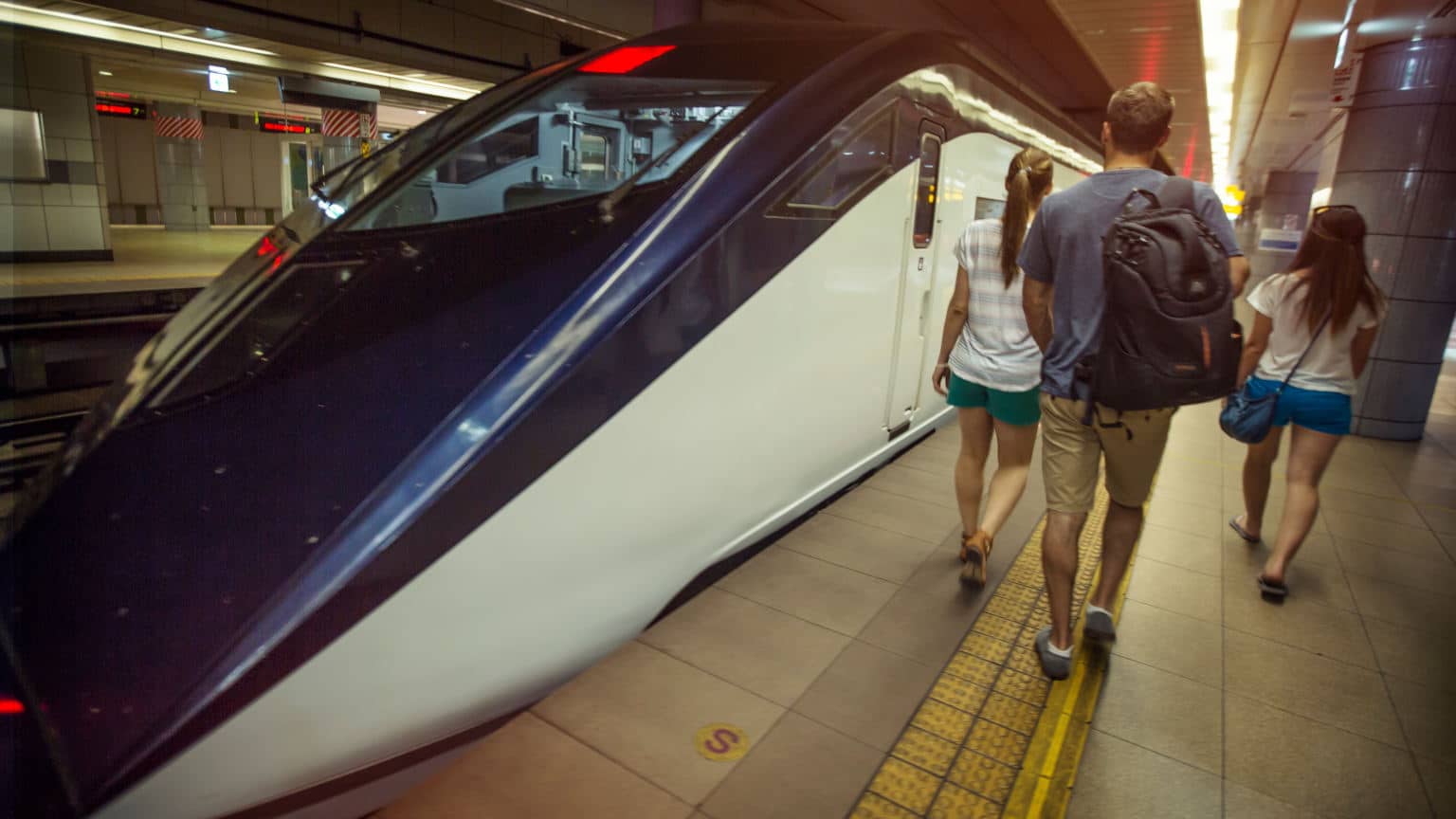
This morning, board a bullet train and journey to Nagano, located in the Japanese Alps and host city of the 1998 Winter Olympics.
While you ride the bullet train, your main luggage will be sent on Japan’s takkyubin service (luggage transfer) to the next destination. Please note, you will NOT have access to your main luggage for approximately 24 hours. You must pack an overnight bag with everything you’ll need until you’re reunited with your luggage the following day. Only one bag per passenger is permitted on the luggage transfer. If you have more, there will be an additional charge at the traveler’s expense.
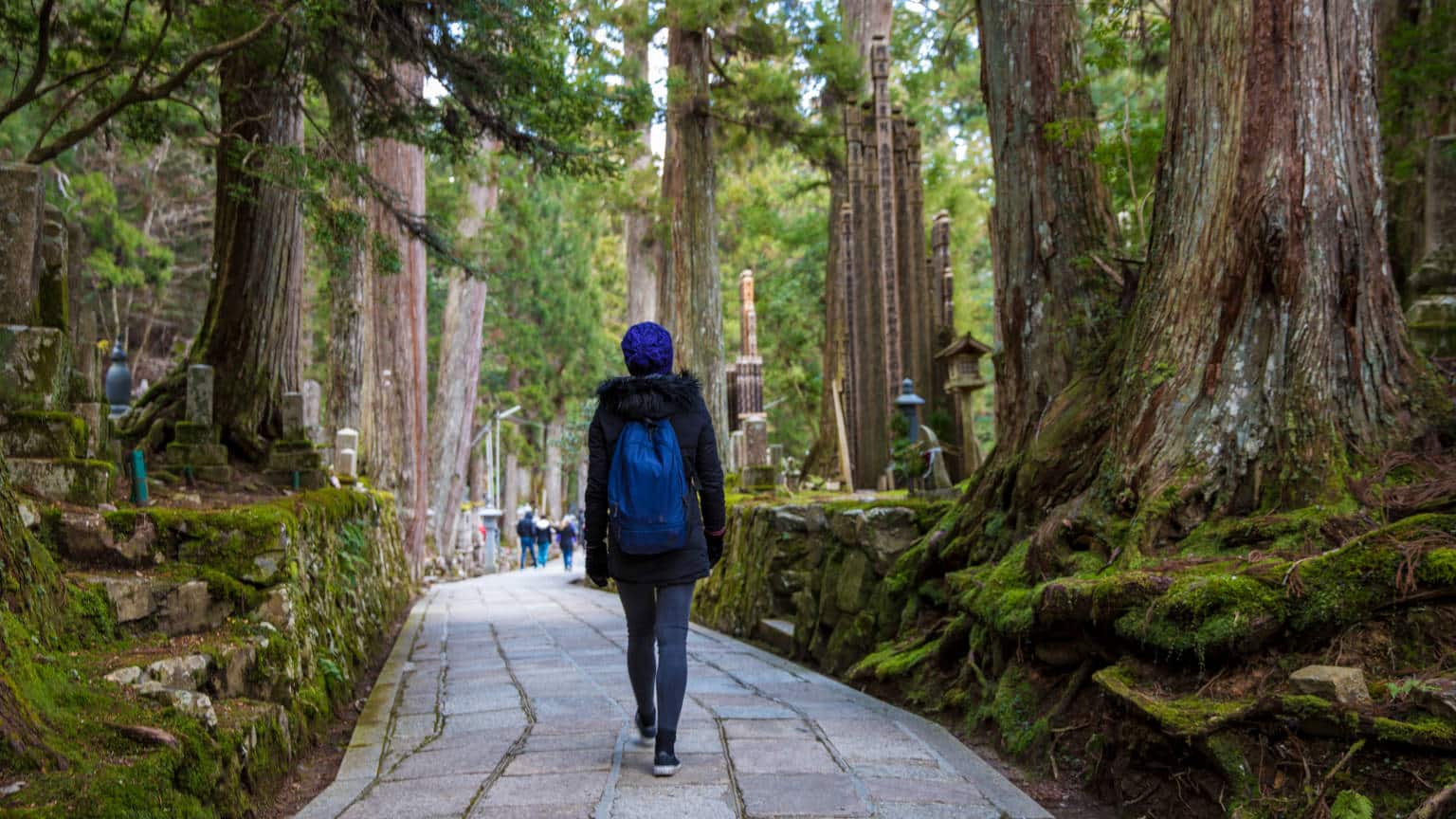
After arriving in Nagano, take a public bus to visit the Jigokudani Monkey Park, where wild snow monkeys can be seen bathing in the natural hot springs. The pool where most of the monkeys soak is man-made, but fed by the hot springs. Along the walking paths up to the pools, other monkeys tend to stop and watch visitors curiously. The beautiful walk through the forest from the bus stop to the hot springs takes about 30–45 minutes.
Approximate travel time: 3 hrs by bullet train
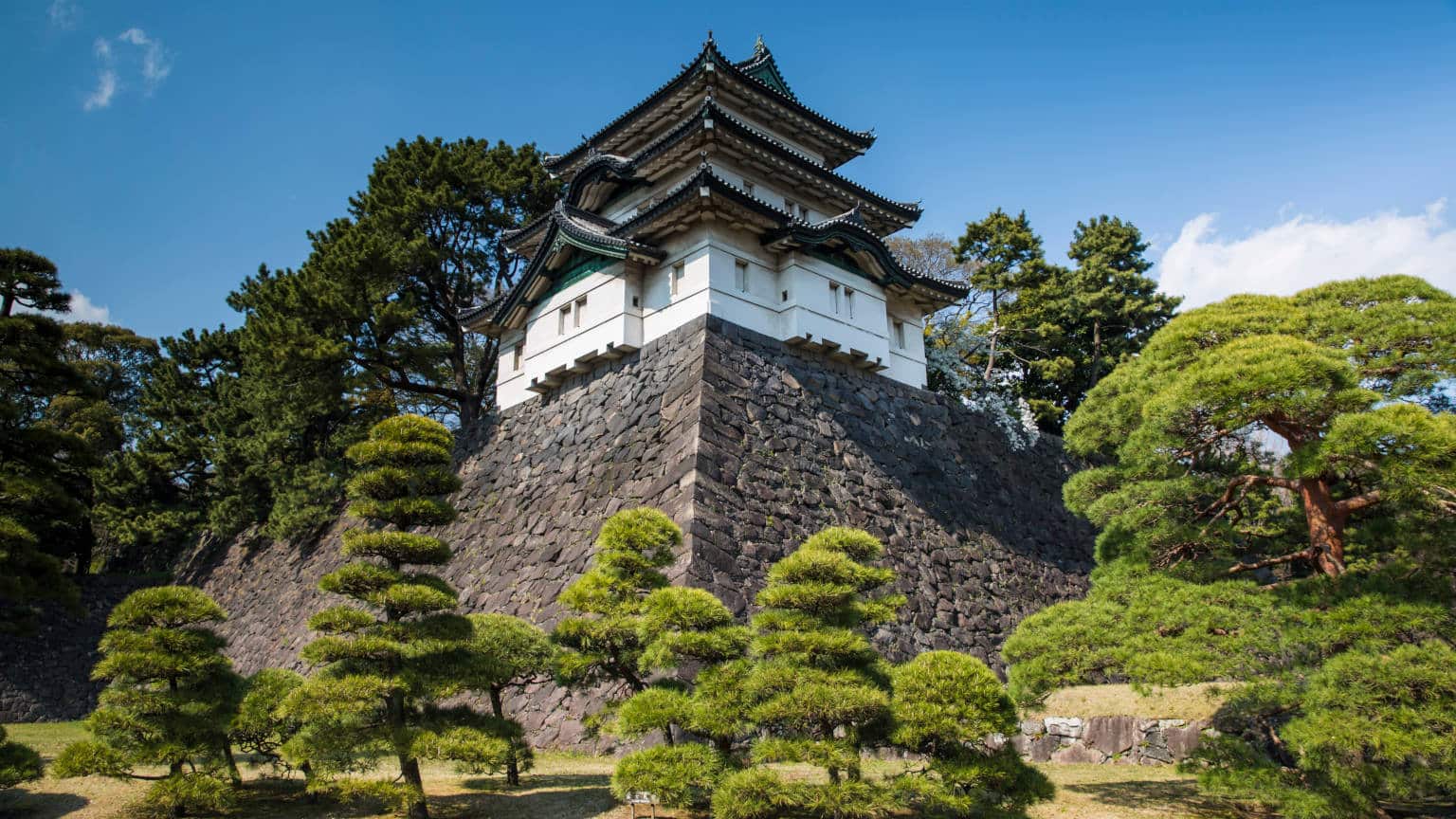
Today, we travel by local train for a day trip to quaint Matsumoto, where we will visit one of Japan’s most treasured castles. Amazingly, Matsumoto Castle still retains its original wooden interior and stone exterior. Explore this castle where 16th-century Samurai once roamed before venturing out with the group to wander Matsumoto’s ancient streets or dine in a traditional storehouse.
We then return to Nagano and visit the Buddhist temple of Zenkō-ji, one of the last remaining pilgrimage sites in Japan. Built in the 7th century, the city of Nagano grew around the temple. The first Buddha image in Japan, brought from Korea in 522 AD, is known as a hibutsu, or ‘secret Buddha,’ because it is kept completely hidden from the public eye. The temple laws prohibit the statue from being shown to anyone, including the chief priest of the temple.
Approximate travel time: 3-4 hrs round trip by local train
Today we travel to Ōtsu in Shiga prefecture, located on the banks of Lake Biwa, Japan’s largest freshwater lake. Settle in and relax with a stroll (or bike ride) around this picturesque lake before heading out to enjoy a delicious bowl of ramen for dinner. Your time in lovely Ōtsu will be brief.
Approximate travel time: 4.5 hrs by train
Meals included: Dinner
Grab a quick breakfast before a long travel day. Pick up a bento box in Ōtsu from Lawson’s or FamilyMart to eat during the train journey.
You will need to prepare your day pack/overnight bag before leaving Ōtsu for a two-night stay in Hagi. Your main luggage will be sent ahead to Tottori. Remember to include comfortable clothing for a cycling excursion and two nights at the homestay. Only one bag per passenger is permitted on the luggage transfer. If you have more, there will be an additional charge at the traveler’s expense.
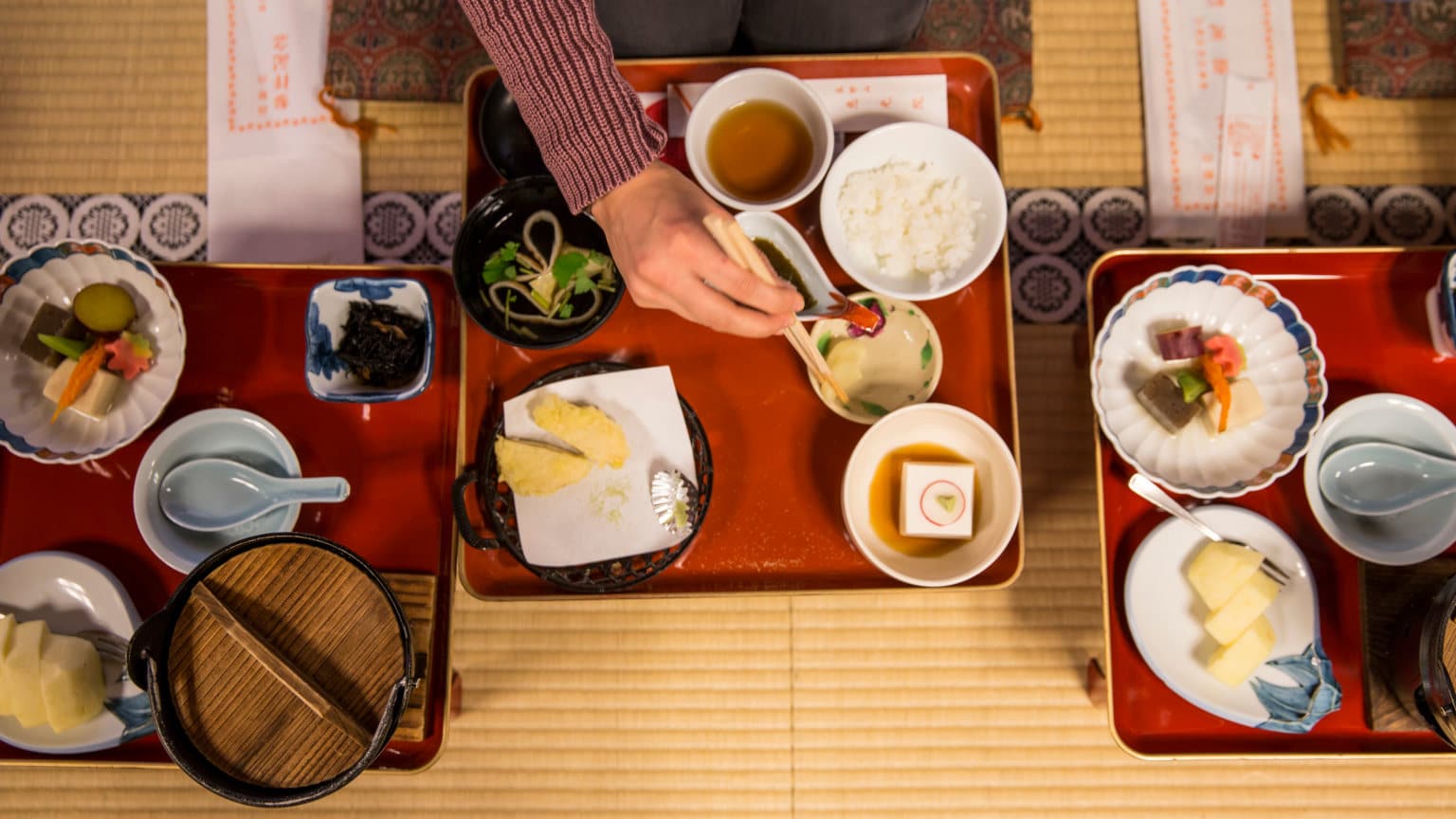
In the late afternoon, arrive in the quaint city of Hagi, a former castle town that boasts feudal architecture. Take part in a welcome ceremony with the local residents—your host families! Get to know a local family during your community homestay in Hagi. In recent years, due to the rapidly aging population and limited income opportunities in many of the rural areas of Japan, young people and other community members have had to leave Hagi to make a living in larger cities, like Osaka and Tokyo. Learn about local history and customs from your host family, and help make a home-cooked meal with your hosts.
Approximate travel time: 6.5 hrs by train
Meals included: Breakfast | Dinner
Explore rural Hagi on a guided morning cycle through town. Enjoy the slow pace of life as you pedal past the city’s Tokugawa-era architecture, and cycle along the Japanese Sea. Opt to jump in and go for a quick swim. Your clothes will dry off as you cycle back to the visitor center.
Afterward, you will have free time to try some local cuisine and wander the narrow streets or visit some of the beautiful old residences that are open to the public. In the late afternoon, return to your homestay and help make a home-cooked meal with your host family.
Meals included: Breakfast | Dinner
This morning, you’ll bid farewell to your host families after enjoying breakfast together. Later, travel to Miho-misumi by train, taking in scenic views along the way. In Miho-misumi, learn the art of making “washi,” a UNESCO-recognized traditional Japanese paper, and take home your handmade washi as a memento. Then, board another train to the seaside town of Tottori, where you’ll end the day.
Approximate travel time: 6 hrs total by train
Meals included: Breakfast | Lunch
Located along the coast of the Sea of Japan, the Tottori Sand Dunes (or “Tottori Sakyu”) were formed thousands of years ago when sand was washed away from a nearby river. This morning, we’ll walk along the dunes and climb one to take in scenic views of the coastline.
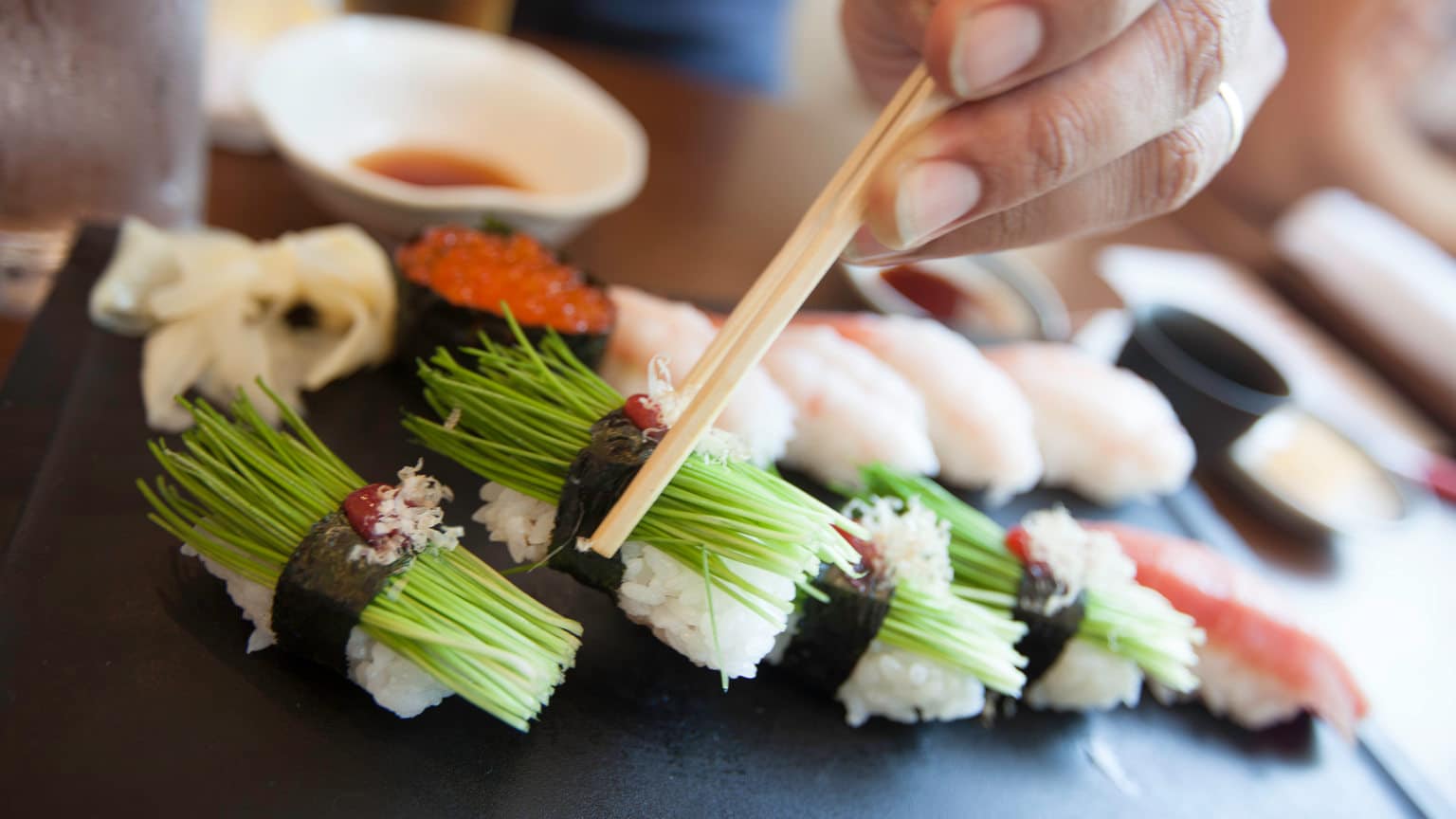
Afterward, take a bus to Tottori’s harbor fish market, home to fresh seafood and some of Japan’s best crab. Walk among the stalls and watch the locals in action. Opt to try a tasty dish in the market’s restaurant section.
In the late afternoon, travel to Kyoto, the traditional heart of Japan.
Approximate travel time: 3 hrs by train
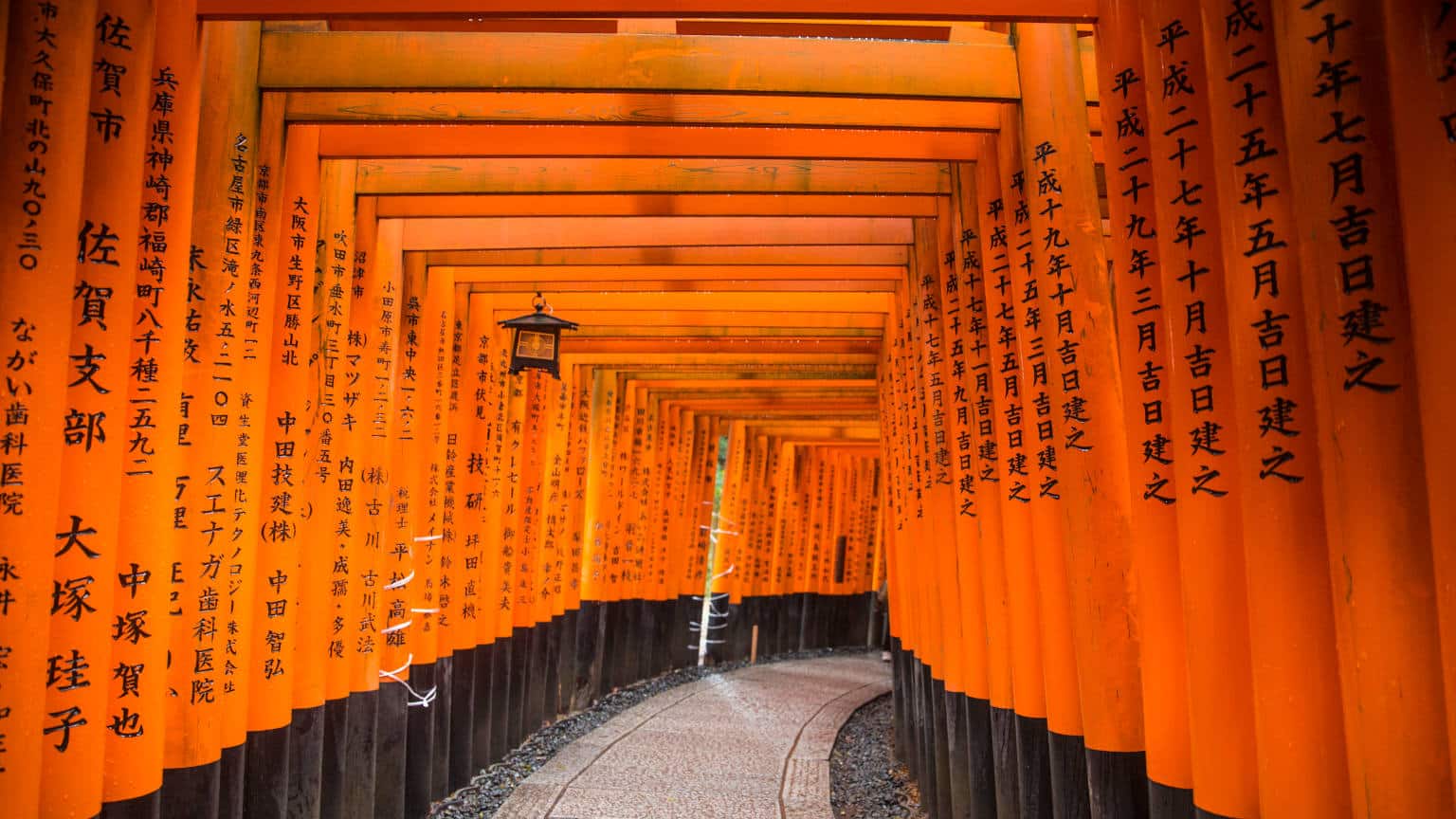
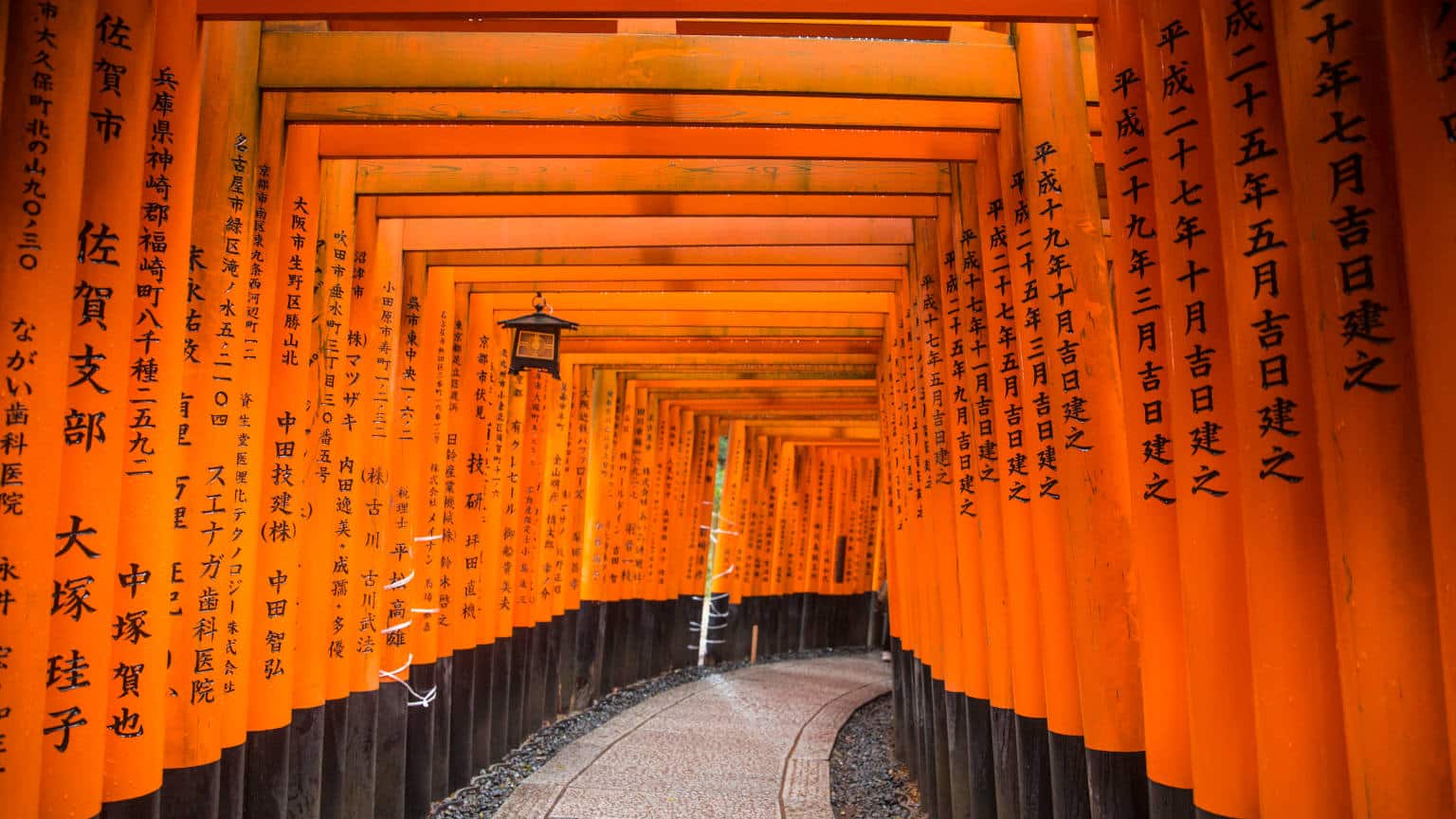
We will start off the day with a visit to the Fushimi Inari Shrine, located just outside of Kyoto. Walk under the thousands of iconic torii gates (as seen in the film Memoirs of a Geisha) and enjoy the peaceful atmosphere. The shrine itself is at the base of the Inari mountain but includes many trails up to smaller shrines in the area. If you’re up for a challenge, hike all the way to the very top!
Kyoto is home to over 2,000 temples, including some of the most magnificent in the country, dating back centuries. Use your free time to continue exploring—the city also boasts museums, castles, and traditional gardens—or opt to visit neighboring Nara or Osaka.
There are no planned activities today, so you may depart Kyoto at any time. Kyoto does not have its own airport, but the nearest airports are Osaka International (Itami) Airport (ITM) and Kansai International Airport (KIX). Both airports offer an “Airport Limousine Bus” from Kyoto; see the timetables and fares for ITM here and for KIX here.
If a round-trip airline ticket (e.g., flying into and out of Tokyo) is much more affordable than a multi-city ticket, you can return to Tokyo on a bullet train ($100–120). Please make sure to allow 2.5 hours to travel from Kyoto Station to your airport in Tokyo, and plan to arrive at the airport at least three hours prior to your scheduled departure.
We highly recommend extending your stay in Kyoto by at least one day or more to allow more time to explore this incredible city and/or take day trips to Osaka and Hiroshima (by Shinkansen). You may book post-trip accommodation at your hotel in Kyoto through us.
Please note that check-out time from the hotel is usually mid-morning, but luggage storage services are available at the reception desk.
- Want more adventure? Book two or more GEEO programs in the same school year and receive 10% off the lesser value program(s), up to 3 programs per year.
- Interested in extending your time abroad? Beyond our educator programs, we can also help you book from G Adventures’ extensive catalog of tours. These tours aren’t tailored to educators the way our programs are, but booking through GEEO means you’ll receive a discounted educator rate while supporting our nonprofit work.
Where you'll stay
The hotels listed below reflect the properties expected to be used for this program. Final accommodations are subject to change based on group size, availability, or seasonality. The confirmed start and end hotels are listed on your trip voucher:
*Itinerary Disclaimer: While it is our intention to adhere to the routes described on our website, there is a certain amount of flexibility built into the itinerary and on occasion it may be necessary, or desirable, to make alterations. The itinerary is brief, as we never know exactly where our journey will take us. Due to our style of travel and the regions we visit, travel can be unpredictable. The information on our website is a general guide to the tour and region, and any mention of specific destinations or wildlife is by no means a guarantee that they will be visited or encountered. Additionally, any travel times listed are approximations only and subject to vary due to local circumstances.
Important Info
Important
Before you decide to travel with GEEO, it is important that you read all of the program information on this page. Our programs are quite adventurous, and we find that travelers who review the full trip details are happier with their experiences.
- Terms and Conditions: Review GEEO’s full Terms and Conditions before signing up for a GEEO program, especially information related to deposits, our cancellation policy, mandatory travel insurance, etc.
- Confirmation Process: Understand GEEO’s trip confirmation process.
- FAQs: Find essential information that applies to all GEEO programs.
- Browse Classroom Resources: Recommended Reading | Lesson Plans | Pinterest boards
Trip Notes & Expectations
ACCOMMODATION
Japan is one of the most populous countries in the world and space is at a premium. Therefore, hotel rooms are small! Additionally, many Japanese hotels do not have designated non-smoking rooms. Therefore, we ask hotels to deodorize rooms before check-in. Finally, bed mattresses in Japan tend to be much firmer than what you may be used to. The purpose of the accommodation is to provide a safe, well-located place for you to sleep. We use simple hotels to keep these trips as inexpensive as possible.
LUGGAGE
The most convenient way to get around Japan is by public transportation and on foot. The country’s train system is often considered one of the best in the entire world so the majority of our trips utilize this efficient train network. Please ensure you are fit enough to carry your own luggage and spend most of the day on your feet. *You must handle all luggage unassisted and store it safely on trains/buses.*
Size Restrictions: All luggage must be under 160cm total dimensions (height + width + depth). Exceeding this incurs 1,000 JPY fees per train journey; over 251cm is prohibited. If bringing two bags, both must meet the 160cm limit.
Overnight Separation: While we ride the bullet train, your main luggage will be sent on Japan’s takkyubin service (luggage transfer) to the next destination. You will NOT have access to your main luggage for ~24-48 hours at a time. You must pack an overnight bag with everything you’ll need until you’re reunited with your luggage. Only one bag per passenger is permitted on the luggage transfer. If you have more, there will be an additional charge at the traveler’s expense. Forwarding services may occasionally experience delays.
ACTIVITY LEVEL & PACE
This is a fast-paced itinerary covering significant ground with extensive daily travel (up to 6 hours) on public transportation. You will need to be able to spend the majority of the day on your feet and carry your luggage through busy train stations and streets. On average, tours in Japan walk about 15,000 steps a day. Please make sure you have thoroughly read the itinerary and can handle the group activities. We recommend always carrying snacks with you. Meals in-transit are often purchased from convenience stores (Family Mart, Lawson, 7-Eleven) and meal times may be irregular.
TRANSPORTATION
This program utilizes Japan’s world famous public transport system. From the super fast Shinkansen Bullet Train to Kyoto’s extensive local bus network, we ride with the locals. Sometimes you will have full days of transportation as our trips tend to cover a lot of ground. The transportation will often be an adventure in itself.
JAPAN RAIL PASS
Your program fee includes a Japan Rail Pass, which provides unlimited travel on most of Japan’s extensive JR train network, including the bullet trains (shinkansen). The pass is only available to foreign travelers, so if you are a Japanese citizen/resident or traveling on a student/business visa, please let us know as you will not be eligible for the Rail Pass.
ITINERARY FLEXIBILITY
Weather conditions may require last-minute itinerary changes. While we strive to include all planned activities, alternatives may be substituted due to conditions beyond our control. Some visits to major sites may be brief due to the comprehensive nature of this itinerary.
TATTOOS
Tattoos are not common or widely accepted in Japan. There is no cause for concern, but do your best to cover your tattoos when possible and note that you may not be permitted to enter public spas or onsens (hot springs).
LANGUAGE
Travel in Japan is easy, clean, fast and efficient, however, please be aware that English is still not widely spoken. However, a lot of patience, a sense of humor, and respect for the local culture goes a long way in any Japan and will greatly enrich your experience.
GROUP LEADER
All GEEO programs are led by a G Adventures Chief Experience Officer (CEO), whose role is to take the hassle out of travel and help you get the most from your trip. They’ll share information about the places you visit, suggest activities and restaurants, and introduce you to our local friends. While not traditional guides, CEOs have broad knowledge of the region’s history, culture, and daily life. On some excursions, local guides are used for deeper insight.
Single Travelers
Traveling solo? You’re in good company—about half of our participants do the same.
Shared room by default. The program fee covers one person in a twin room. We’ll pair you with a roommate of the same gender if you don’t have a travel companion.
Want a private room? Most trips offer a “My Own Room” (single-supplement) upgrade. Check the price in the Add-Ons & Budgeting section, then email [email protected] to reserve it. You pay the single-supplement only if you request it.
Emergency Contacts
If you need urgent help during your trip, call the local G Adventures office first. If no one answers, leave a detailed message with your name and contact information so they can return your call as soon as possible.
EMERGENCY CONTACT NUMBERS:
G Adventures Local Office (Japan)
During office hours: Mon-Fri (Excluding national holidays) 9:00-18:00 Local Time
From outside Japan: 1st contact +81 3-6809-1212. (2nd contact +81 90 1223 2336 or +81 80 6779 1851)
From within Japan: 1st contact 03-6809-1212 (2nd contact 090 1223 2336 or 080 6779 1851)
After office hours emergency number
Primary phone: +81 90 1223 2336 or +81 80 6779 1851 (from within Japan: 090 1223 2336 or 080 6779 1851)
If you are unable for any reason to contact our local office, please call the numbers listed below which will connect you directly with our Sales team who will happily assist you. Hours of operation by region can be found here.
Toll-free, North America only: 1 877 998 6475
Calls from UK: 0344 272 0000
Calls from Germany: 0800 365 1000
Calls from Australia: 1 300 796 618
Calls from New Zealand: 0800 333 307
Outside North America, Australia, New Zealand, Germany and the UK: +1 416 260 0999
Packing List
See our blog post of staff-recommended gear to help you pack for your upcoming travels. You must be able to carry your own luggage—up stairs, on and off of transport, and during 15 to 20 minute walks.
IMPORTANT: This program uses the world-famous Shinkansen bullet trains, which have a restriction on maximum luggage size. Your luggage must be less than 160cm in total. This is roughly the size that most airline companies consider as “carry-on baggage” and allow in overhead storage compartments. You will need to bringing a day pack or backpack to use during the day, in addition to your carry-on sized luggage.
As you prepare your packing list, we recommend checking average weather conditions for your destination.
-
Chargers/AdaptersDevice chargers and electrical adapters (and a converter if needed); portable charger/power bank
-
ClothingPack lightweight, quick-dry clothing that mixes and matches easily. Bring enough for about a week and plan to do laundry once. Layer strategically and check the weather and itinerary sections to be realistic about what you’ll actually need.
-
Light windproof/waterproof jacket
-
DaypackSmall backpack to carry water, camera, and essentials while exploring
-
Walking shoesOne good pair of broken-in, comfortable, sturdy walking shoes is essential
-
Sport sandals or flip-flopsWater activities, hotel floors, or just to keep your feet cool and comfortable
-
Rain protectionWindproof rain jacket, poncho, or small travel umbrella
-
Modest clothing for religious/cultural sitesModest clothing covering knees/shoulders” and a shawl/scarf for temple visits. Trip includes multiple shrine/temple stops (Zenkoji, Fushimi Inari, optional Meiji Shrine)
-
Sun protectionSun block, sunglasses, hat
-
First Aid KitIncluding: lip balm with sunscreen, sunscreen, whistle, Aspirin, Ibuprofen, bandaids, tape, anti-histamines, antibacterial gel/wipes, antiseptic cream, Imodium or similar for mild cases of diarrhea, rehydration powder, water purification tablets or drops, insect repellent, sewing kit, extra prescription drugs you may be taking
-
ToiletriesBasic toiletries (some hotels may not provide all items, esp. conditioner); small amount of biodegradable soap for laundry
-
Light fleece topFor chilly airports, flights, nights, etc.
-
Rehydration powderLike Gatorade, Liquid IV or Nuun
-
Cooling ItemsPortable/rechargeable misting fan, cooling towel
-
Swim itemsSwimsuit, small quick-dry towel, slip-on sandals. The hotels do not have pools, but you may have an opportunity to swim in the Japan Sea at Hagi
-
Sleep accessoriesTravel pillow, lightweight silk sleep sheet, earplugs
-
Organization aidsAirTags or Tile trackers, bag locks, packing cubes, ziplock bags
-
Money belt
-
Hand sanitizer/baby wipes
-
Flashlight or headlamp
-
Reusable water bottle
-
SnacksPacking a few granola bars is a good idea; you can also buy snacks when you get there too, so don’t go crazy
-
Passport
-
G Adventures voucher(s)
-
Entry RequirementsAny required visas, travel authorizations, vaccine certificates, etc.
-
Flight itinerary/boarding pass(es)
-
Cash and credit/debit card(s)
-
Travel insurance ID card
-
GEEO Classroom action plans for your groupThis will be emailed to you a week before your trip
*Laundry: Laundry services are offered by some of our hotels for a charge. You can also use a local laundromat, if necessary. We recommend packing enough clothes so you don’t have to do laundry.
Passports and Visas
Travelers are responsible for securing all required travel documents and meeting the entry requirements for every country on their itinerary, including applicable transit/layover countries.
PASSPORT
All travelers must have a passport valid for at least 6 months beyond your trip dates with enough blank pages for stamps. Need to apply or renew? Start here.
ENTRY/VISA REQUIREMENTS
Visa rules change frequently—always verify the latest requirements on the U.S. State Department Country Information Pages. Non-U.S. passport holders should verify requirements with your country’s official government resources. You can also use Sherpa, a third-party service and trusted G Adventures partner to look up the latest requirements.
Money Exchange
The local currency is Japan is the yen (¥ JPY). For current exchange rates, visit www.xe.com.
7-Eleven Convenience stores are ubiquitous throughout Japan, and nearly every one has an ATM where you can withdraw the local currency. We do, however, recommend that you bring at least $200 USD in cash for emergency use or in case you have trouble with the ATMs. Major credit cards are accepted in most shops, but you may be charged an international transaction fee; ask your financial institution about their international fees. Please note that if you are carrying U.S. dollars, the bills should be in good condition (i.e., not torn, wrinkled, or marked on in any way) and dated recently.
Tipping
Tipping is not practiced in Japan. Leaving money at restaurants, in taxis, etc. will simply cause confusion! However, at the end of each trip, if you felt your G Adventures tour leader did an outstanding job, a tip would be appreciated. The amount is entirely your personal preference, but as a guideline, $5-7 USD per person per day would be appropriate.
Flights
Book flights only after the trip is confirmed to run. Prices tend to be lowest 90–120 days out, but that window varies by route and year. Neither GEEO nor G Adventures bear responsibility for any flights purchased before the trip is confirmed.
This program begins in Tokyo and ends in Kyoto. Please double-check our itinerary for the date by which you must arrive in Tokyo. You may want to arrive in Tokyo one or more days early in case you have flight disruptions. If you have never been to Tokyo before, there is a lot to see! You can arrive at any time you choose, but try to make it in time for our Welcome Meeting on Day 1. You can depart from Kyoto any time on the final day of the program, or stay later to see more of the city. The two nearest airports to Kyoto are Kansai Airport (KIX) and Itami Airport (ITM). You can also transfer back to Tokyo on the bullet train or book an affordable one-way flight from KIX/ITM to NRT/HND.
Plugs and Converters
Japan uses Type A plugs (the same as the U.S., but only the 2-prong style) and the voltage is 100V. To use your electronics safely, you’ll need to consider:
1. Adapter (plug shape)
Japan uses the same flat, two-prong Type A plugs as the U.S. However, outlets often do not support 3-prong plugs, so bring a 3-to-2 prong adapter if your device has a grounding pin. See our recommended all-in-one travel adapter in our Gear Recommendations post.
2. Converter / transformer (voltage)
Voltage in Japan is 100V, slightly lower than the U.S. (120V), but generally safe for modern devices. Most phones, tablets, laptops, and camera chargers are dual-voltage and work with just an adapter.
How to know which you need: Look at the fine print on the plug or power brick. An “Input 100-240 V” means the device is dual-voltage and works worldwide with only an adapter—phones, laptops, and most camera chargers fall into this category. If the label shows “Input 120 V only” (hair dryers, curling irons, some shavers), use a voltage converter. Converters are inexpensive and sold online or in the travel aisle of many stores.
Advice from Past Participants
Pack light, really light.
“Pack light, extremely light. Many in my group struggled with multiple suitcases, carry-ons, backpacks, purses, etc., particularly in the summer heat and on crowded trains.”
Take advantage of the hotel laundry facilities.
“We took advantage of the laundry facilities in Tokyo and Kyoto which was so easy and also inexpensive.”
Bring cash, you’ll need it.
“You NEED the currency for wherever you are traveling. There were multiple times when a traveler would buy someone else’s stuff because they didn’t have cash and pay them back later.”
Prepare for hot, humid weather.
“The heat is real. Felt like an oven.”
Expect long, tiring travel days with a lot of luggage-carrying between transfers.
“I didn’t comprehend how incredibly intense and fast paced this tour would be until we were on it. We spent up to 6 hours a day traveling and lugging our luggage around.”
Consider adding a few extra days in Tokyo or Kyoto.
“Strongly recommend a few days before and after to explore on your own. Would miss important parts of Tokyo and Kyoto.”
Weather
Japan is hot, humid and rainy during June and July. Be prepared for the heat with a handheld fan (even better if it has a mist function), a sunhat (better to stay cool than look cool), and a cooling towel. Be sure to drink plenty of water; vending machines are ubiquitous in Japan, and Pocari Sweat is a great option for staying hydrated.
Historical Monthly Weather Averages
Tokyo
Nagano
Matsumoto
Otsu
Hagi
Tattori
Kyoto
Average High
Average Low
Rainfall
Add-Ons & Budgeting
Extra Services to Pre-Book
Send us an email if you would like to pre-book any of the extra services listed below for your program. Space and availability are limited, and pricing is not guaranteed until booked.
*Extra services are non-refundable within 30 days of your program’s start date.
*Costs will be added to your final balance.
| Private/Single Room | $619 (4 left) |
| Pre-trip Hotel (per night) | Hotel En Michi – Single: $95, Twin/Double: $115 |
| Post-trip Hotel (per night) | Prince Smart Inn Kyoto Shijo Omiya – Single: $85, Twin/Double: $110 |
| Arrival Airport Transfer (per person) | Tokyo – Narita Airport (NRT) $80/person Tokyo – Haneda Airport (HND) $60/person |
| Departure Airport Transfer (per person) | TBA |
ACTIVITIES TO PRE-BOOK
Optional On-Site Activities
Optional activities can be booked and paid for locally. Prices shown are the most recent figures from participants and G Adventures. Use them as budgeting estimates only—actual costs may vary. If you arrive early or extend your stay, check out our curated list of Viator tours for additional activity ideas.
-
Sensō-ji Temple Visit:
Explore Sensō-ji Temple, a colourful Buddhist temple and the oldest temple in the entire city. Leading up to the temple the street is lined with shops selling yummy food and great souvenirs.
-
Meiji Shrine Visit:
1,000 JPYEntry to the shrine is free. Entry to the Treasure House is 500yen, and the Inner Garden is an additional 500yen.
-
Gion Walk:
Walk through Gion, Kyoto’s most famous geisha district. Visit shops, restaurants and ochaya (teahouses), where geiko (Kyoto dialect for geisha) and maiko (geiko apprentices) entertain.
-
Kiyomizu Temple Visit:
400 JPYVisit the Kiyomizu Temple, a Buddhist temple in Kyoto and part of Kyoto’s UNESCO listed sights. Originally built in 798, the current structures were built in 1633 without the use of a single nail.
-
Nijo Castle and Gardens Visit:
600 JPYVisit the Nijo Castle, the residence of the first shogun of the Edo Period built in 1603. Now a UNESCO World Heritage Site, the property is divided into three areas: the Honmaru (main circular fortification), Ninomaru (secondary circle of defense), and the gorgeous gardens that surround both.
-
Kinkaku-ji Golden Pavilion Visit:
500 JPYExplore Kinkaku-ji or the Golden Pavilion, named for the temple’s top two floors that are covered in gold leaf.
Estimated Trip Costs
Free-time activities aren’t included in the program fee. Use the prices below as ballpark figures to decide which options fit your budget.
- GEEO Program Fee: See our price in the top right corner
- Optional Activities: $100-400 USD
- International Airfare from the United States: Roughly $1,000-1,600 USD
If you require assistance searching for international flights, we would be happy to help you. - Airport Transfers: $20 to $100.
- Insurance: $30-200 USD
Please note: It is mandatory for all of our travelers to have Emergency Medical insurance that covers both emergency evacuation and repatriation to the sum of $200,000 USD. We also strongly recommend purchasing cancellation insurance as an add-on. - Tipping: We recommend around $50 USD for your G Adventures tour leader.
- Meals not listed in the itinerary: $450-665 USD
- Laundry, Drinks, Mobile Data, etc.: Make sure you budget for these types of expenses
- Souvenirs: Variable—at your personal discretion
- Vaccines: Variable—please consult with your primary care provider
- Non-Educator Donation: $100 USD (suggested donation)
This is only for non-educator guests traveling with an educator on a GEEO trip. Educators and retired educators should not make this donation.