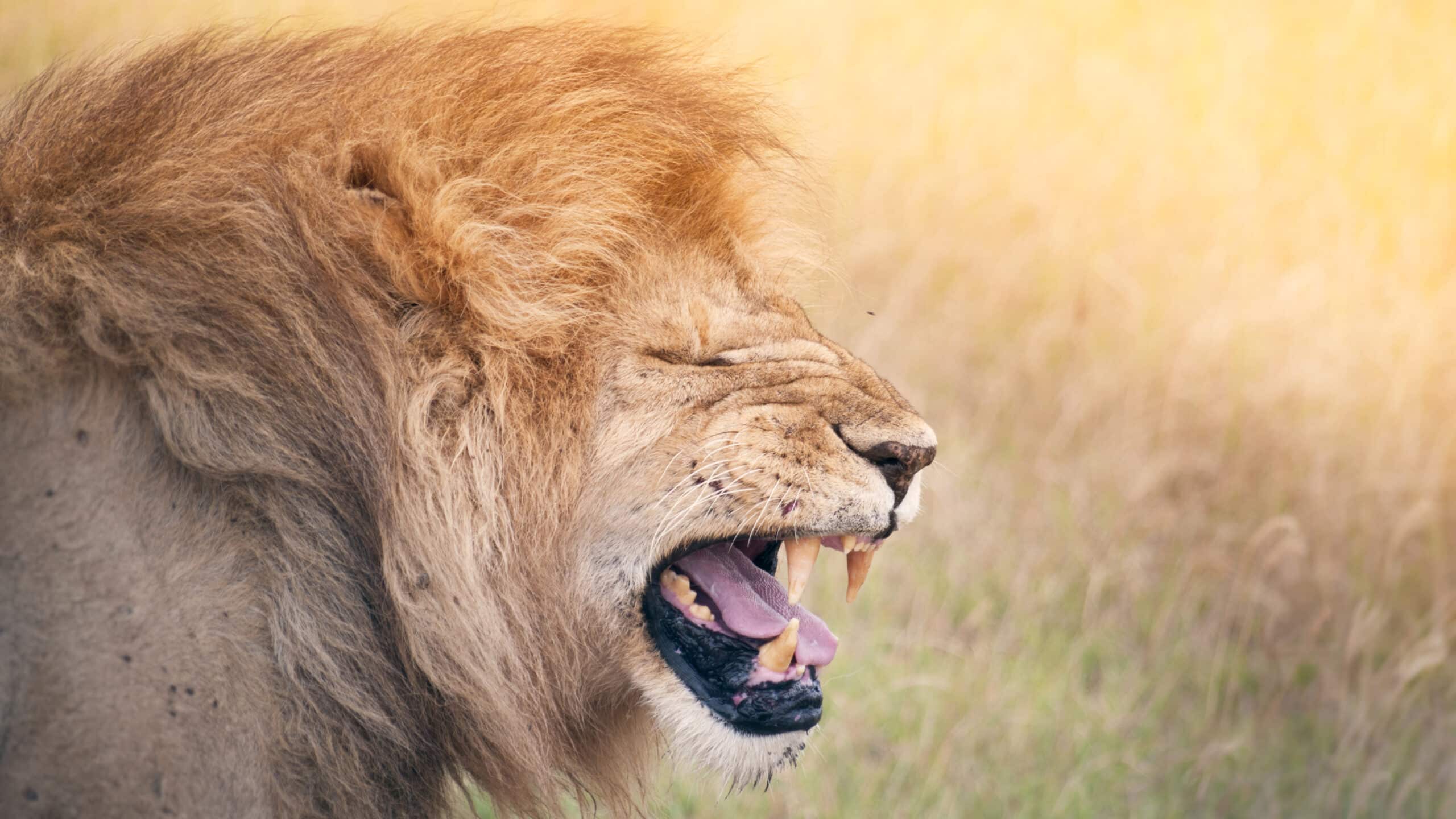
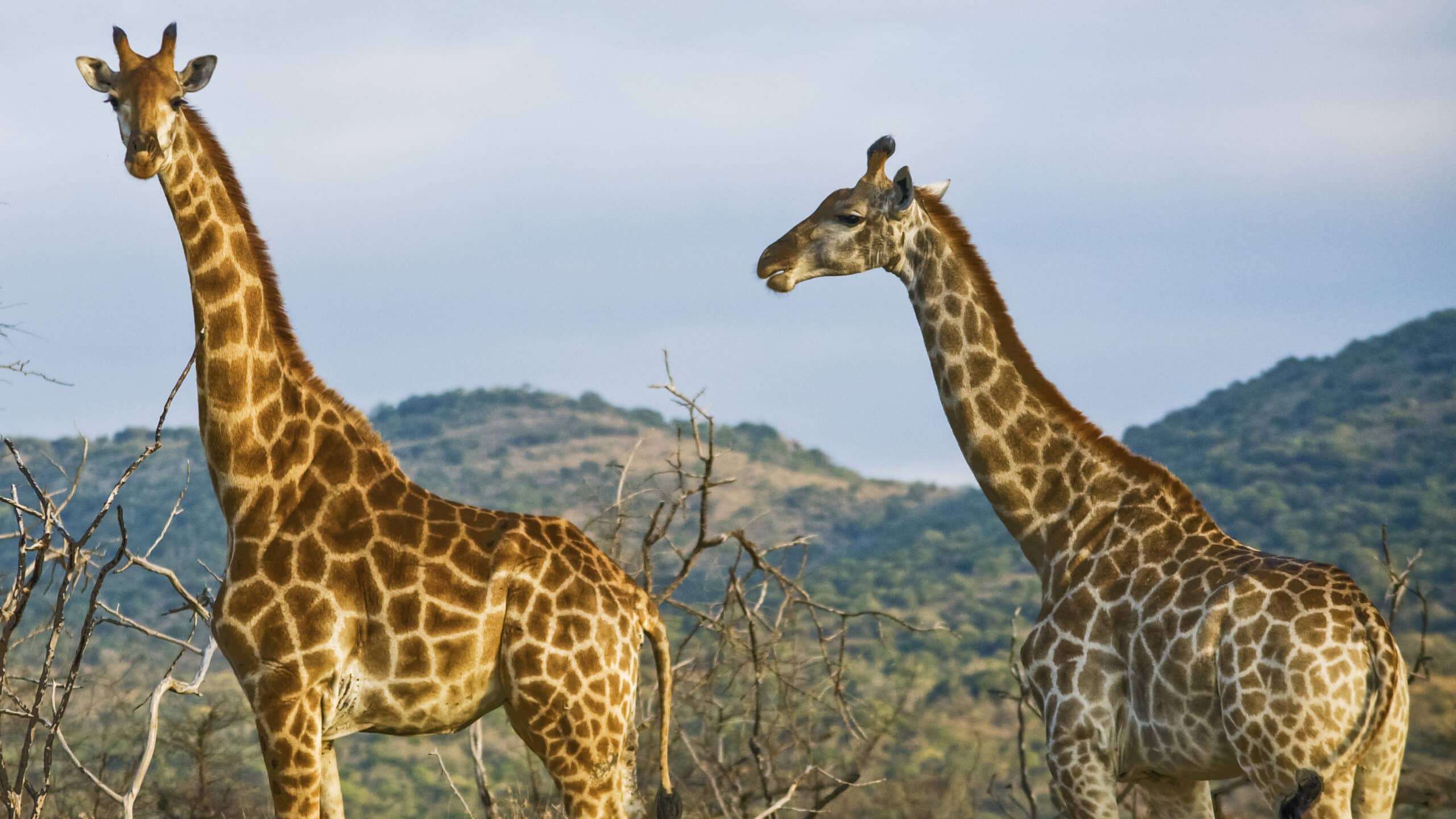
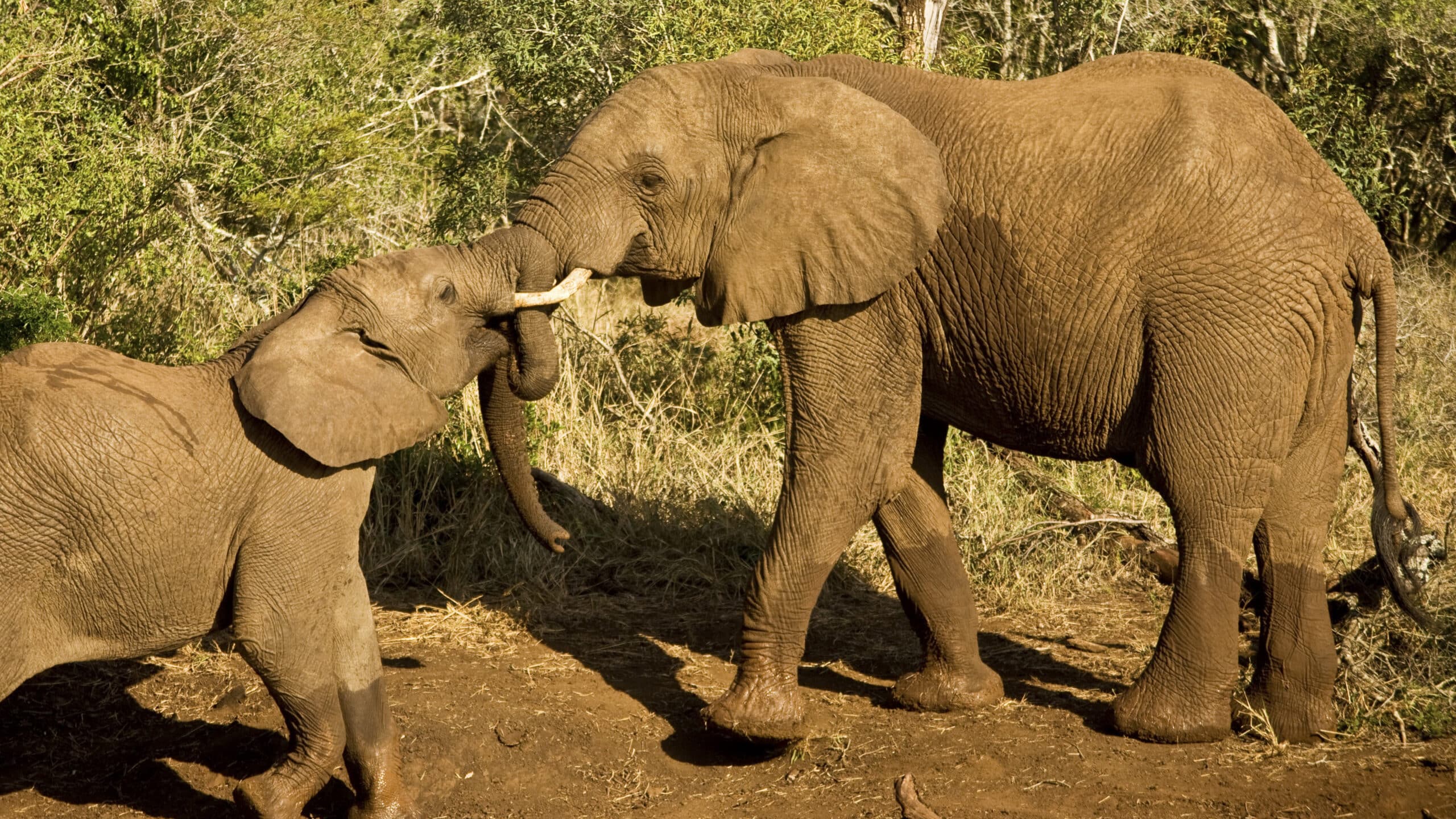
From dramatic savannas to the Great Rift Valley, experience Kenya. Travel the vast open plains and rolling hills of the Masai Mara and scour the wilderness for Africa’s Big Five. Full-service camping under the big African sky will bring you closer to the wildlife and get you off the beaten path so you can really experience the region's unique wildlife, landscapes, and cultures. Our small safari vans minimize drive times and improve your chances of snapping that perfect shot of some of the most amazing animals on Earth.
What's Included:
Samburu village visit and wildlife safari drives
Safari in Lake Nakuru National Park
Wildlife safari drives in Masai Mara National Reserve
Amani Ya Juu Lunch, Nairobi
G Adventures tour leader throughout, certified safari driver/guide, camp crew
8 breakfasts, 7 lunches, 6 dinners – allow $60-80 USD for meals not included
Arrive at any time. There are no planned activities until the Welcome Meeting in the evening. The Nairobi airport is Jomo Kenyatta International Airport (NBO).
The tour departs Nairobi in the morning of day 2, so we recommend that you plan to arrive in East Africa a day early in case you experience flight delays/cancellations. This will also give you time to adjust to the time difference and overcome any jet lag. We can book extra hotel nights for you in Nairobi before and/or after the trip.
Hotel Check-in and Welcome Meeting
Hotel check-in is normally between 2–3 p.m. Check with reception for the exact time and location of the group welcome meeting, typically between 6–7 p.m. Please make every effort to attend this meeting. If you're running late, send a message in the group WhatsApp or call the emergency number on your trip voucher so that your tour leader can let you know where and when to meet the group.
After the meeting, feel free to get dinner at a nearby restaurant with your traveling companions and your tour leader to further get to know one another.
Joining Instructions
Taxi/Uber: ($25-40 USD) Taxis and Uber are available at the airport.
Pre-Booked Arrival Transfer: If you purchased a transfer with us, look for the driver holding a G Adventures sign (or Nat Geo sign) right outside the Absa Bank, immediately after you exit Kenyan customs. The sign may not have your name on it, so verify with the driver before departing.
Accommodation: The Landmark Suites Westlands (or similar) To confirm the hotel that your group will be using, please reach out to us or check your service voucher.
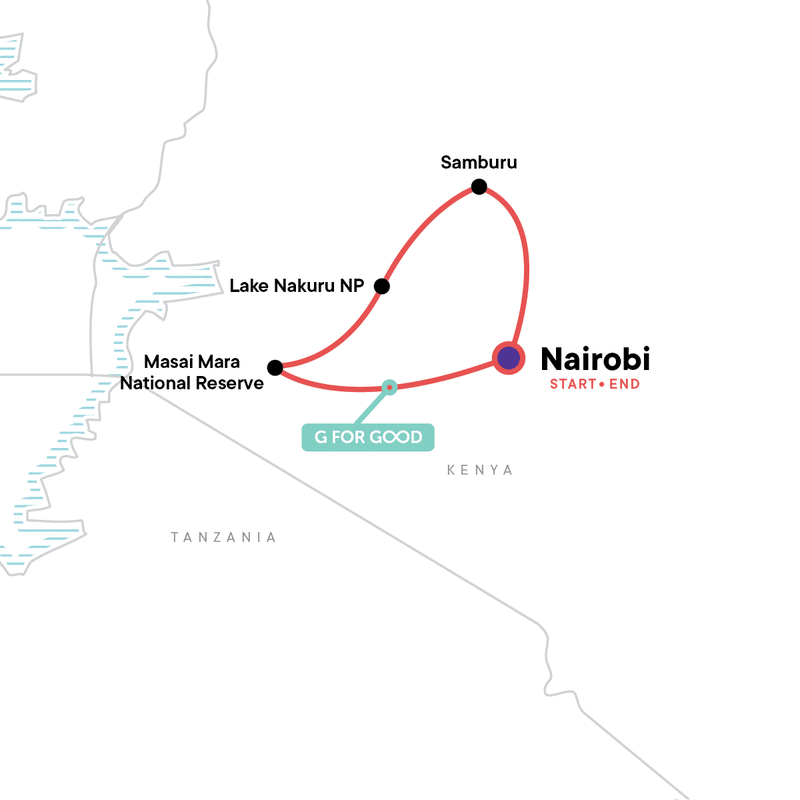
Depart Nairobi and drive north through the farmlands of the Kikuyu people, passing Mount Kenya, Africa's second-highest mountain (17,000+ ft).
Just outside the national reserve, meet the locals in a traditional village in the Samburu area and learn more about their way of life. The Samburu people are related to but culturally distinct from the Masai. Like the Masai, the Samburu are semi-nomadic and herd cattle, goats, and occasionally camels. The men often have multiple wives who each live in separate huts within a family compound. Observe how the beautiful colors of bead necklaces and bracelets, the red clay braids of the warriors, and their bright clothing contrast with the colors of the African savanna. Watch traditional Samburu dancing, and learn about Samburu tribal life and customs. The walk within the village is run by Samburu tribesmen for the benefit of the community.
Continue to Samburu National Reserve, a wildlife haven for many species rarely found anywhere else.
Enjoy an afternoon wildlife safari drive in search of African elephants, big cats, and some more unique wildlife found only in the northern region of Kenya.
Approximate travel time: 7-8 hrs by safari vehicle
Accommodation: Samburu Campsite (or similar)Meals included: Breakfast | Lunch | Dinner
Enjoy a full-day wildlife safari drive in search of animals such as the beisa (East African oryx), Somali ostrich, Grevy's zebra, the majestic reticulated giraffe, and the long-necked gerenuk, a graceful antelope that stands upright on its hind legs to feed on tall bushes.
Accommodation: Samburu Campsite (or similar)Meals included: Breakfast | Lunch | Dinner
Travel to Nakuru, meaning “dusty place” in the Maasai language. It is a cheerful and vibrant agricultural town with a variety of colorful local markets.
Camp outside the town at the edge of Lake Nakuru National Park, the area’s main natural attraction. Time and weather permitting, there may be an opportunity to visit a local tea farm and see how the tea is grown, picked, and produced.
Approximate travel time: 7-8 hrs by safari vehicle
Accommodation: Nderit Campsite (East Africa) (or similar)Meals included: Breakfast | Lunch | Dinner
Search for, buffalo, impalas, hyenas, and even lions and leopards on a wildlife safari drive in the renowned Lake Nakuru National Park. Head to the shores of the lake to see pelicans and cormorants. The park is rich in other bird life, including grebes, white-winged black terns, stilts, avocets, and ducks, so keep your eyes open!
Accommodation: Nderit Campsite (East Africa) (or similar)Meals included: Breakfast | Lunch | Dinner
Depart for the world-famous Masai Mara National Reserve. Arrive in the afternoon and get settled at the permanent tented camp, our base for exploring the Mara. Head into the reserve for an afternoon wildlife safari drive and keep your eyes and ears peeled for movement and animal noises.
With its vast open plains and distinctive flat-topped acacia trees, no visit to Kenya would be complete without a visit to this reserve. The Masai Mara is one of the world’s top safari destinations, known for its abundance of big cats—cheetahs, leopards, and lions—as well as the two million wildebeest, Thomson’s gazelles, and zebras that migrate annually across the vast grasslands in search of water.
Approximate travel time: 7-8 hrs by safari vehicle
Accommodation: Kenia Campsite (or similar)Meals included: Breakfast | Lunch | Dinner
Head out on a morning wildlife safari (the best time to spot animals), and crisscross the rolling hills of the African savanna. With a full day to explore the area, we can cover a lot of ground. If time allows, visit the Mara River area.
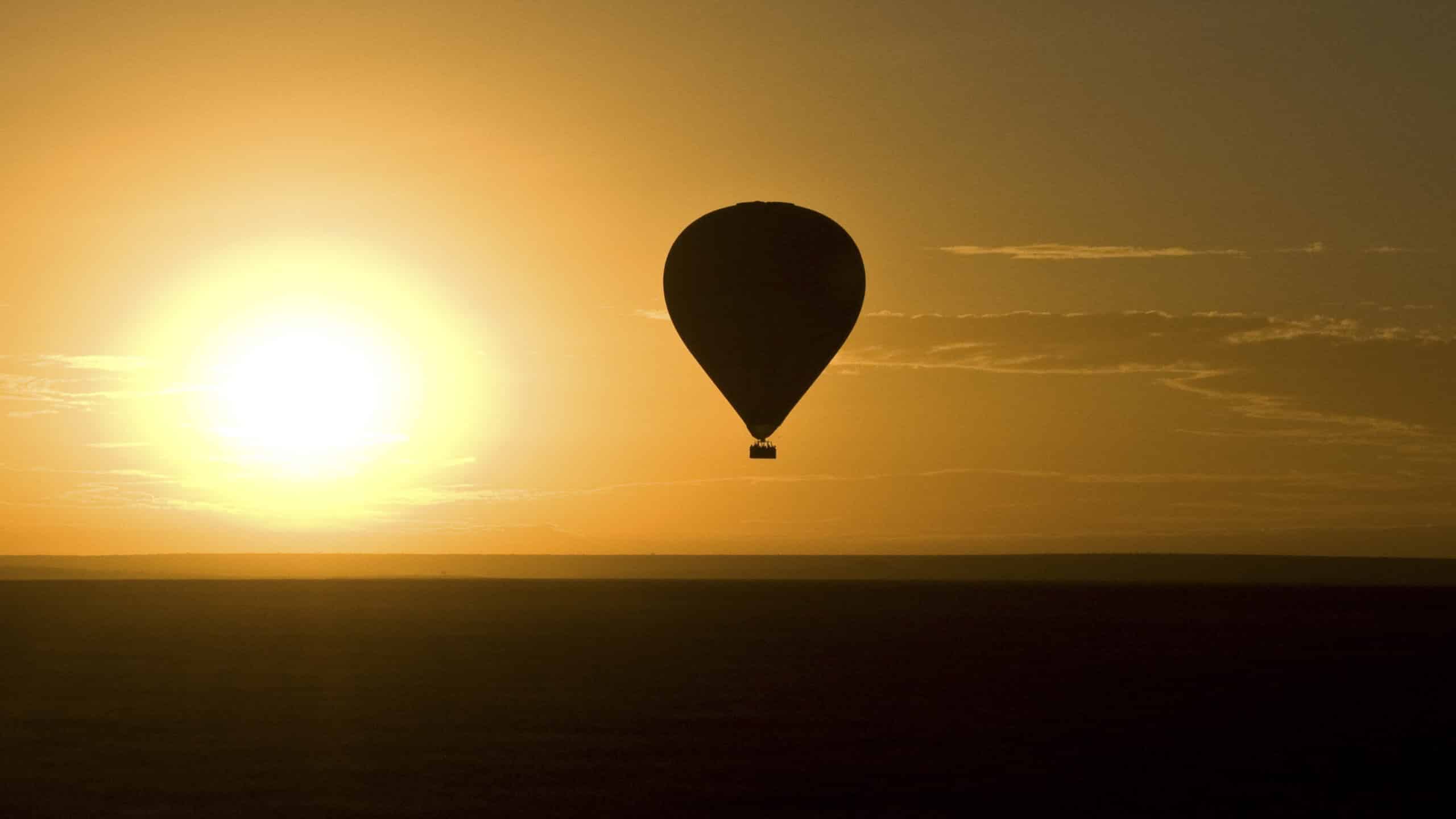
If you're in the mood for amazing Kenyan views, you can also get up before dawn and go for an hour-long balloon safari over the beautiful landscape. You'll fly over the Mara River, as well as the plains and forests of the Masai Mara, and then toast your return to earth with a champagne breakfast when you land. If you pre-book the balloon safari, you will miss the morning wildlife safari drive with the group, but you will have spectacular views from above.
Accommodation: Kenia Campsite (or similar)Meals included: Breakfast | Lunch | Dinner
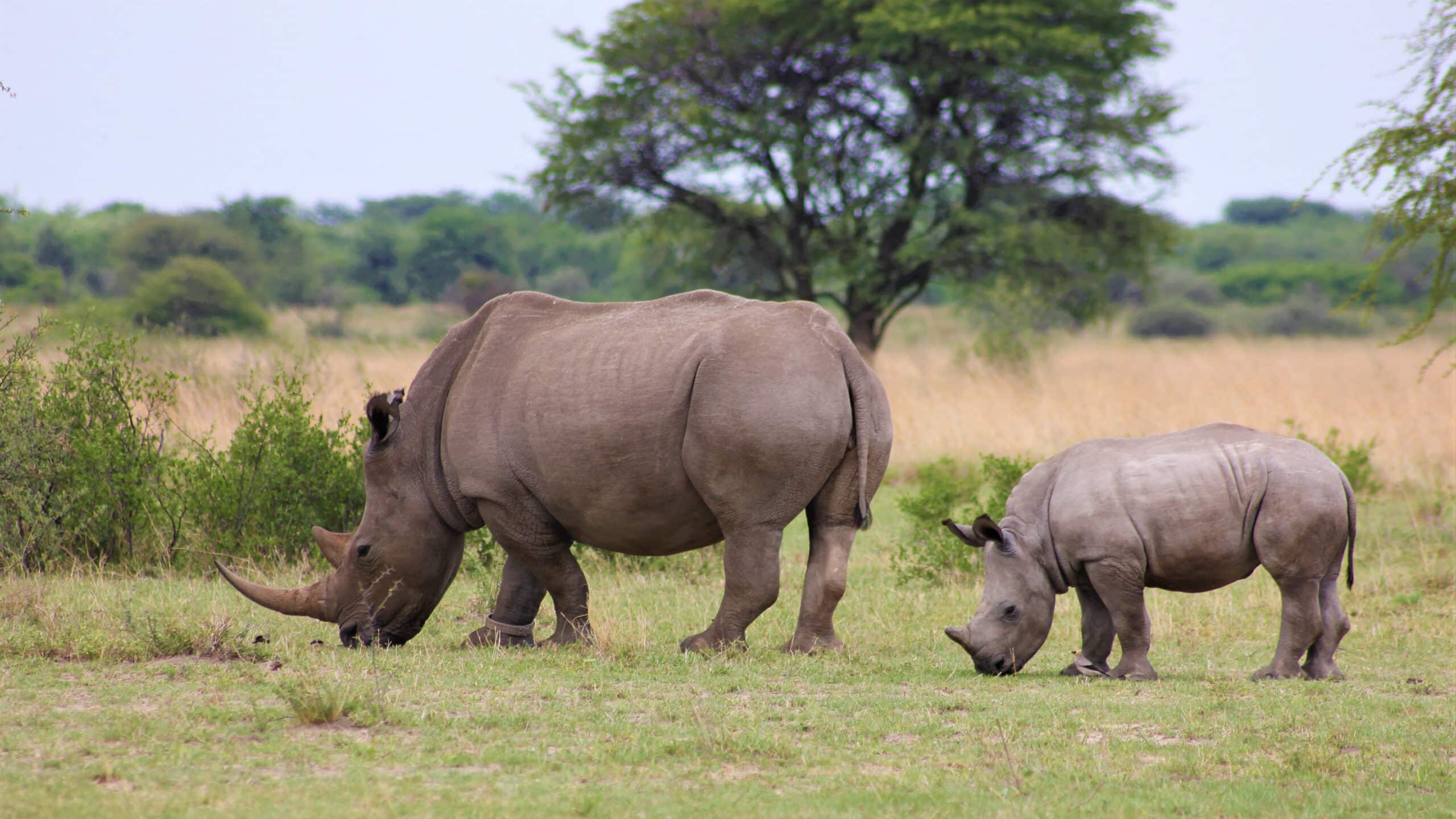
Savor one final chance to spot the Big Five before returning to Nairobi.
On the way, stop for lunch at Amani ya Juu, a community-based initiative that empowers women seeking refuge in post-colonial East and Southern Africa. Here, women gain skills in entrepreneurship and fair trade, creating new opportunities for themselves and their families.
Enjoy a locally sourced meal prepared by the women and youth of the community. (Please note: due to current restrictions, Amani ya Juu may not always be open, and a visit cannot be guaranteed.)
Upon arrival in Nairobi, you’ll have time to browse local handicrafts or explore a bit of the city before the day concludes.
Approximate travel time: 5.5-6.5 hrs by safari vehicle
Accommodation: The Landmark Suites Westlands (or similar)Meals included: Breakfast | Lunch
There are no planned activities today, so you may depart Nairobi at any time. If you wish to extend your stay in Nairobi, consider booking post-tour accommodation with us.
Please note that check-out time from the hotel is usually mid-morning, but luggage storage services are available at the reception desk.
Want more adventure? Book two or more GEEO programs in the same school year and receive a discount! GEEO will give you 10% off of the lesser value program(s) (up to 3 programs per year).
If you would like to extend your time abroad but don't see another GEEO program that interests you, let us know. We can work with you to find a trip from our tour operator’s much larger catalog. Their tours are open to the general public and not designed specifically for educators, but we can still offer you and your travel companions a discounted educator price on any additional tours that you book.
Meals included: Breakfast
*Itinerary Disclaimer: While it is our intention to adhere to the routes described on our website, there is a certain amount of flexibility built into the itinerary and on occasion it may be necessary, or desirable, to make alterations. The itinerary is brief, as we never know exactly where our journey will take us. Due to our style of travel and the regions we visit, travel can be unpredictable. The information on our website is a general guide to the tour and region, and any mention of specific destinations or wildlife is by no means a guarantee that they will be visited or encountered. Additionally, any travel times listed are approximations only and subject to vary due to local circumstances.
Details
Important
Before you decide to travel with GEEO, it is important that you read all of the program information on this page. Our programs are quite adventurous, and we find that travelers who review the full trip details are happier with their experiences.
Terms and Conditions: Review GEEO's full Terms and Conditions before signing up for a GEEO program, especially information related to deposits, our cancellation policy, mandatory travel insurance, etc.
Travelers flying from or connecting through London-Heathrow are currently allowed only one carry-on item and one small personal bag (e.g., purse, laptop bag, briefcase) on flights to Nairobi. If you arrive at the security gate with more, you will be required to check one, which may lead to complications. This policy is current at the time of writing, but local rules may change. We recommend contacting your airline for the most up-to-date information.
LUGGAGE COMPLICATIONS
Don’t overpack. Your bag must stay within the size limits listed in our packing list. Delayed luggage is common on international flights to Nairobi—especially if you’re flying from Heathrow or Amsterdam. To be safe, keep important items in your carry-on: passport, documents, valuables, medications, and a change of clothes.
If your bag is delayed, it will likely arrive within 48–72 hours, and the airline should forward yours to your hotel or next stop in Kenya. If you’re already in Tanzania by then, local staff can help—but be aware that airlines are not always proactive. You may need to buy replacement items locally, or pay someone to help communicate with the airline.
Costs for retrieving or shipping your bag are your responsibility. G Adventures will support you where possible, but they cannot cover any expenses. Save all receipts for possible reimbursement from your airline or travel insurance provider.
ACCOMMODATION & CAMPING
Camping in Kenya is truly an adventure. You will be able to get off the beaten track to get an up-close experience of the beautiful wilderness and nature.
Camping Experience: We stay at designated campsites inside of or nearby the national reserves and parks. The campsite in Samburu (first four nights) is a basic public camp run by the local council. You will be in dome tents, and there will be no electricity, and only gas lanterns in the evening. Bathrooms are shared, and have long drop toilets and cold showers. At the Masai Mara, we will stay in a simple permanent tented camp. These are walk-in safari tents with single beds and mattresses. There is no electricity for lights or charging batteries. The facilities are basic, though there are flushing toilets and hot water (when the boiler is working).
Camping Support: This is a full-service camping trip. All tents are pitched for you, meals are prepared and served, and the washing up is done by G Adventures staff. You may bring your own sleeping bag (if you would like), but it is not required. We provide a walk-in “safari tent” with single beds, mattresses, small pillow and bedding in the Masai Mara, and a tent, small pillow, sleeping sheet, and the sleeping pads, for the remainder of the trip. Drinking water, ice, and fire wood are not provided but can be bought locally with the assistance of the tour leader.
Our services leave you with more time to enjoy your surroundings and is ideal for first-time campers who may be worried about the challenges that a trip like this one can entail.
TRANSPORTATION
You will travel in private 7-seat 4x4 Land Cruisers equipped with pop-up roofs and sliding windows for great wildlife viewing. If your group is large, we’ll use two vehicles. All vehicles have speed governors set to 80 kph, and seat belts must be worn at all times.
Our drivers are also trained mechanics and will handle any mechanical issues quickly. Breakdowns are rare, but due to long days and rough roads, they can happen. Thanks in advance for your patience if that occurs.
Comfort Considerations: This isn’t a physically demanding trip, but you’ll spend long hours on bumpy roads. If you’re prone to motion sickness, bring any remedies you rely on.
ACTIVITY LEVEL & PACE
This trip includes light walking and other activities that require an average/moderate level of fitness to enjoy. You can opt out of the longer walks if you aren’t feeling up for them. We recommend always carrying snacks with you. Meals can sometimes be far apart.
MIGRATION
The Seronera Plains in the southeast of Serengeti National Park and western Ngorongoro Conservation Area are the main calving grounds for wildebeest. They arrive with the short rains in November or December, calve in January, and stay until the long rains end in May. In late April, they gather for their 800 km migration northward, facing the Grumeti River crossing from June to July. Between July and October, some cross the Mara River into Kenya, while others remain in the northern and western Serengeti. By late October, they return to the Seronera Plains, completing the cycle in November.
ELECTRICITY
The power supply in Kenya is nominally 240VAC, 50hz. Variable voltage, spikes and sporadic, unexpected, unscheduled power cuts of varying duration can be expected.
YELLOW FEVER
According to the WHO and CDC, there is no ongoing Yellow Fever transmission risk in Kenya. However, a valid Yellow Fever vaccination certificate is required if you are traveling to Kenya from a Yellow Fever endemic country , including those who transit through such countries for more than 12 hours. If required, Yellow Fever inoculations need to be administered at least 10 days prior to your entry into the country.
MOSQUITOS
Mosquito-borne illnesses like malaria, dengue, and chikungunya are present in Kenya. While hotels pre-confirm mosquito nets and repellents are available, our experience on the ground is that this isn’t always the case. We recommend bringing repellent, long sleeves, closed-toed shoes, and—if you’re concerned—a portable net or plug-in repellent. It’s best to come prepared to protect yourself.
MEALS
When an evening meal isn’t included, your hotel will have a restaurant, or you’ll be directed to a local option. All camp meals are made from fresh local produce. Food shopping is done before departure, with fresh items bought along the route from supermarkets, shops, and markets.Breakfasts are usually cereal, though warm options may be offered if time allows. Many lunches are light, like sandwiches or salads, provided en route. Evening meals are hot, featuring both continental and local dishes, prepared by the crew, with optional assistance from you. Please specify dietary needs prior to arrival, and not that all bottled drinking water will be at your own expense.
GROUP LEADER
All GEEO programs are led by a G Adventures Chief Experience Officer (CEO), whose role is to take the hassle out of travel and help you get the most from your trip. They’ll share information about the places you visit, suggest activities and restaurants, and introduce you to our local friends. While not traditional guides, CEOs have broad knowledge of the region’s history, culture, and daily life. On some excursions, local guides are used for deeper insight.
PROGRAM DETAILS
Going to Tanzania Too?
Our Kenya program lines up perfectly with our Tanzania program if you want to go on both. There are direct flights from Nairobi to Kilimanjaro International with Precision Air that take about one hour. A seat on a public shuttle bus (leaves daily at 8 am) can be pre-booked through GEEO/G Adventures and takes about 6 hours.
Single Travelers
Traveling solo? You’re in good company—about half of our participants do the same.
Shared room by default. The program fee covers one person in a twin room. We’ll pair you with a roommate of the same gender if you don’t have a travel companion.
Want a private room? Most trips offer a “My Own Room” (single-supplement) upgrade. Check the price in the Extra Services section, then email travel@geeo.org to reserve it. You pay the single-supplement only if you request it.
Emergency Contacts
Should you need to contact the tour operator during an emergency, it is best to call the local G Adventures office. If for any reason you do not receive an immediate answer, please leave a detailed message and contact information so they can return your call and assist you as soon as possible.
EMERGENCY CONTACT NUMBERS::
G Adventures Local Office (Nairobi, Kenya)
From outside Kenya: +254 727 208 832
From within Kenya: 0727 208 832
G Adventures Local Representative (Tanzania)
During office hours, 9 am-5 pm local time:
From outside Tanzania: +255 754 400 141
From within Tanzania: 0754 400 141
If you are unable for any reason to contact our local office, please call the numbers listed below, which will connect you directly with our 24 hour Sales team, who will happily assist you.
Toll-free, North America only: 1 888 800 4100
Calls from UK: 0344 272 0000
Calls from Germany: 0800 365 1000
Calls from Australia: 1 300 796 618
Calls from New Zealand: 0800 333 307
Outside North America, Australia, New Zealand, Germany and the UK: +1 416 260 0999
AIRPORT TRANSFER:
If you have purchased an arrival through G Adventures or if an arrival transfer is included in the cost of your tour, please note that your arrival transfer has been arranged based on flight information provided to us. If you are advised of a flight schedule change within 48 hours of your scheduled arrival time, we will do our best to rearrange your arrival transfer however we cannot guarantee this. If your arrival transfer does not arrive within 30 minutes after you have exited the arrivals area please call the local emergency contact numbers listed below for more information.
For any issues relating to pre-booked transfers for Nairobi Jomo Kenyatta International Airport, including delays or missed transfers, please contact our airport transfer operator:
Phelix: +254 729 692 653 (from outside of Kenya)
Phelix: 0729 692 653(from within Kenya)
Packing List
See our blog post of staff-recommended gear to help you pack for your upcoming travels. You must be able to carry your own luggage—up stairs, on and off of transport, and during 15 to 20 minute walks. Your baggage should be clearly labelled and restricted to one soft compact suitcase, sports bag, or backpack, no larger than 30cm(height) x 30cm(width) x 60cm(length), maximum 15kg, plus a daypack. Space is limited on transportation, so oversized bags cannot travel.
As you prepare your packing list, we recommend checking average weather conditions for your destination.
SUGGESTEDOPTIONALDOCUMENTS
Sleeping bag (it tends to be in the 50s F at night.)
Warm layers for the evening, early mornings (it gets cold at night!)
Light windproof/waterproof rain jacket
Sun hat
Personal clothing for weather in the 50’s to the 80’s – we recommend packing 8-9 days of outfits so you don't have to do laundry
At least one pair of long pants
Daypack (you will need one large enough to carry your possessions when camping—a collapsable duffel bag can be used instead)
Sturdy walking shoes (closed-toe suggested)
Sport sandals or flip-flops
Sunblock
Sunglasses
Watch or alarm clock (or use your phone)
Camp towel (important!)
Small flashlight or headlamp (important!)
Toiletries – your hotels will have soap and shampoo
Camera (or use your phone)
First-aid kit, including: lip salve, aspirin, bandaids, anti-histamine, Dramamine, Imodium or similar tablets for mild cases of diarrhea, electrolyte powder, insect repellent, extra prescription drugs you may be taking
Lightweight silk sleeping sheet/sleeping bag liner
Travel pillow
Money belt
Water bottle
Phone/tablet for internet – most hotels have WiFi
Chargers for electronics as well converters/adapters, if needed
AirTags or Tile trackers
Packing cubes
Earplugs
Snacks – packing a few granola bars is a good idea; you can also buy snacks when you get there too, so don’t go crazy
Ziplock bags for wet clothing
Reading/writing material
Hand sanitizer/baby wipes
Passport (with photocopies)
Any entry visas or vaccination certificates required
Travel insurance ID card
Flight itinerary/boarding pass(es)
USD/EUR cash
Credit/debit card
G Adventures vouchers
GEEO Classroom action plans for your group – this is sent a few days before departure
*Laundry: Hand washing of clothes can be done at campsites, as most have simple facilities for this purpose. We recommend you bring a non-polluting/biodegradable soap, as well as a roll of string to use as a drying line for your clothes. If you arrive at your overnight stop in the late afternoon, or if there is poor weather, it may not be possible for your clothes to dry completely. Your start/end hotel also has laundry service for a fee.
Passports and Visas
Travelers are responsible for securing all required travel documents and meeting the entry requirements for every country on their itinerary, including applicable transit/layover countries.
PASSPORT
All travelers must have a passport valid for at least 6 months beyond your trip dates with enough blank pages for stamps. Need to apply or renew? Start here.
ENTRY/VISA REQUIREMENTS
Visa rules change frequently—always verify the latest requirements on the U.S. State Department Country Information Pages. Non-U.S. passport holders should verify requirements with your country's official government resources. Use the tool below to see entry requirements for your specific itinerary.
Entry information below is provided by Sherpa, a third-party service and trusted G Adventures partner. You must search each of your destination countries separately; “Add connection” solely searches transit visa requirements. Additional fees apply if you choose to purchase any services through Sherpa.
Money Exchange
Currency:The local currency in Kenya is the Kenyan Shilling (K or Ksh). For current exchange rates, visit www.xe.com.
Cash: We recommend getting cash from ATMs while traveling; they will dispense the local currency. Your tour leader will inform you where you can exchange money throughout the tour and approximately how much cash you will need. Please note that due to past problems with forgery, USD notes that were issued prior to 2006 are not accepted in Africa. Large note (e.g, $50 or $100) can be difficult to change in some places, but will provide the best exchange rate. Make sure to bring bills that are in excellent condition (not torn, wrinkled, or marked).
Credit/Debit Cards:Major credit cards are accepted in many shops, though often with a 3–10% fee. Ask your bank about international transaction charges before departure.
In East Africa, Visa/Plus cards are the most widely accepted; Mastercard/Cirrus can be difficult to use. Credit cards can be used in larger towns and cities but should not be relied on as your primary payment method. Also keep in mind that ATMs outside major centers may be out of cash, out of order, or affected by power outages that can last for hours.
Emergency Funds: Bring at least $200 USD (or the equivalent in local currency) in cash for emergencies in case of ATM or card issues. Always carry more rather than less to avoid feeling short of funds while traveling.
See the Estimated Trip Costs section at the bottom of this page for budgeting guidance.
For more advice, see our post, Smart Travel Finances: Your Guide to Money, ATMs, Fees, and Safety Abroad
Tipping
Tipping is optional but appreciated and goes a long way for the people who look after you on the trip. If you are happy with the service, use these ballpark amounts and adjust as you see fit:
Driver: $5 USD per daySupply crew: $2-5 USD per dayLocal guides: $1 USD per couple of hoursRestaurant/café servers: 10% of the cost of the billCEO: $5 USD per day. (We suggest pooling contributions in an envelope and presenting it as a group)
Vaccinations
GEEO cannot provide any medical advice, so it is very important to consult your doctor or a travel clinic about which vaccinations you will need for your trip. We recommend contacting Passport Health, which has travel clinics located throughout the United States. You can also check the CDC's recommended vaccinations for your destination. Please take this seriously!
Yellow Fever Note: Some countries on GEEO programs may require proof of Yellow Fever vaccination if you are arriving from or transiting through countries with risk of Yellow Fever transmission. This includes long layovers (typically over 12 hours) in affected countries. The vaccine must be administered at least 10 days before entry to be considered valid. Always check with your health provider and the official entry requirements of each country to determine if you need a Yellow Fever vaccination certificate.
Flights
Wait for official trip confirmation via email from GEEO before booking your flights. Prices tend to be lowest 90–120 days out, but that window varies by route and year. Neither GEEO nor G Adventures bear responsibility for any flights purchased before the trip is confirmed.
This program begins and ends in Nairobi. Check the itinerary for the required arrival date. Aim to arrive no later than mid-afternoon for the 6 p.m. Day-1 welcome meeting, and consider arriving a day or two early to buffer flight delays and see more of Nairobi. You can depart any time on the final day of the program.
Plugs and Converters
Kenya uses Type G plugs and the voltage is 230V. To use your electronics safely, you’ll need to consider:
1. Adapter (plug shape)
Adapts your U.S. plug to fit another type of socket. See our recommended all-in-one travel adapter in our Gear Recommendations post.
2. Converter / transformer (voltage)
Steps the outlet voltage down to 120V for U.S. appliances that can’t handle higher voltage.
Check what you need: Look on your device's plug or power brick. “Input: 100-240V” works worldwide—you only need a plug adapter. Any range narrower (e.g., "110-120V" or “Input: 120V”) means you need an adapter and a voltage converter to avoid damage. Converters are inexpensive and available online or in travel stores.
Weather
In early summer in Kenya, the high temperatures are around 70-80°F – pleasantly warm but not suffocating. The evenings tend to get chilly.
Historical Monthly Weather Averages
Nairobi
Loading...
Unable to load weather data.
Samburu
Loading...
Unable to load weather data.
Average High
Average Low
Rainfall
Extra Services & Costs
EXTRA SERVICES TO PRE-BOOK
Send us an email if you would like to pre-book any of the extra services listed below for your program. Space and availability are limited, and pricing is not guaranteed until booked.
*Extra services are non-refundable within 30 days of your program's start date.
*Costs will be added to your final balance.
Private/Single Room
$159 (Sold Out)
Pre-trip Hotel (per night)
The Landmark Suites Westlands - Single: $75, Twin/Double: $90
Post-trip Hotel (per night)
The Landmark Suites Westlands - Single: $75, Twin/Double: $90
The adventure begins just before dawn and lasts an hour in the sky. Fly over the Mara River, plains, and forests of the Maasai Mara. Toast your return to earth with a champagne breakfast, cooked wherever you land.
Please note that while single passengers can book on this activity, the balloon will require a minimum of two passengers to take flight. In the rare case that this minimum is not reached by the time of your flight, passengers will be refunded for this activity.
Additional fees will apply for passengers exceeding the 120 kg (265 lbs) weight limit.
Optional On-Site Activities
Optional activities can be booked and paid for locally. Prices shown are the most recent figures from participants and G Adventures. Use them as budgeting estimates only—actual costs may vary.
NAIROBI
Bomas of Kenya Tour:120 USD
This tour gives you a glimpse into the life of 42 different tribes of the country that make up Kenya's rich culture. Get a better understanding of village life by visiting homesteads and enjoy a display and sounds of folk dances performed. Entrance fee and hotel pick-up included.
The Carnivore Restaurant:130 USD
Feast on a range of familiar and exotic meats roasted over an open flame barbecue pit. Ever wanted to try ostrich or crocodile? Here's your chance to do so (at a world-renowned restaurant, at that). Price includes the price of a meal (without a beverage) and hotel pick-up.
National Museum:53 USD
Take a stroll through this museum to get a better understanding of Kenya's rich heritage through a range of cultural and natural-history exhibits. Learn more about the region's bird population at the Birds of East Africa exhibit, a huge gallery of at least 900 stuffed specimens. Get a refreshing take on Kenyan history counterpoint to colonial historiographies at the Historia Ya Kenya display. Entrance fee and hotel pick-up included.
Karen Blixen Museum:34-75 USD
Converted from the former home of pioneer coffee farmer and acclaimed writer Karen Blixen, this museum provides visitors insight into life of a Danish settler in pre-Independence Kenya. Take a walk through the home, and magnificent gardens that provide a stunning view of the Ngong hills. Hotel pick-up and entrance fee included.
Railway Museum:6-34 USD
Adjacent to the Nairobi railway station, this museum contains exhibits from the East African Railways opened in 1971.
David Sheldrick Elephant Orphanage Visit:25 - 65 USD
Established in memory of the founder of Kenya's giant Tsavo East National Park, David Sheldrick, this organization strives to help save the lives of orphaned elephants before they are released back into the wild. Entrance fees assist in feeding and nurturing the animals.
Estimated Trip Costs
Free-time activities aren’t included in the program fee. Use the prices below as ballpark figures to decide which options fit your budget.
Tour Company Fee: See our price in the top right corner.
Optional Activities: $250-700 USD
International Airfare from the United States: Roughly $1,000-1,800 USD
If you require assistance searching for international flights, we would be happy to help you.
Airport Transfers: $30-80 USD
Insurance: $30-200 USD
Please note: It is mandatory for all of our travelers to have Emergency Medical insurance that covers both emergency evacuation and repatriation to the sum of $200,000 USD. We also strongly recommend purchasing cancellation insurance as an add-on.
Visa: $35 USD
Tipping: Roughly $200-300.
Meals not listed in the itinerary: $60-80 USD
Laundry, Drinks, Phone Calls, etc.: Make sure you budget for these types of expenses
Souvenirs: Variable. At your personal discretion.
Vaccines: Variable. Please consult with your primary care provider.
Non-Educator Donation: $100 USD (suggested donation)
This is only for non-educator guests traveling with an educator on a GEEO trip. Educators and retired educators should not make this donation.
Photos
Book Any G Adventures Trip Through GEEO
Book any G Adventures program through GEEO, or transfer your existing booking over to us and receive:
5% educator discount or deepest available savings
Expert support 7 days a week (9 AM–9 PM ET)
Nonprofit insurance from $30 (vs. $150-200 elsewhere)
Comprehensive pre-trip guidance
Educator resources and professional development opportunities
Non-educators welcome! Your booking supports our 501(c)(3) mission.
GEEO is a 501(c)(3) nonprofit, and our mission is to help teachers travel by offering private educator-focused group trips—but we also partner with G Adventures to offer trips worldwide for anyone, not just educators.