

Why Travel Through the Balkans?
When it comes to unforgettable European experiences, traveling through the Balkans remains one of the continent’s best-kept secrets. Located in Southeastern Europe, the Balkans are a region where cultures overlap, histories run deep, and landscapes change dramatically from one border to the next.
In a single trip, you can explore medieval old towns shaped by Ottoman and Austro-Hungarian rule, sample cuisines influenced by Mediterranean, Middle Eastern, and Central European traditions, and experience everything from rugged mountain ranges to turquoise coastlines. Few regions pack so much variety into such a compact area.
As GEEO now runs programs through the both the northern Balkans and the southern Balkans, we think it’s time to break down this complex region. Keep in mind, there is no universally accepted answer for which countries lie in which region of the Balkans, but generally speaking these terms describe different cultural and geographic areas.
The Northern Balkans typically include:
- Bosnia and Herzegovina
- Croatia
- Hungary
- Montenegro
- Serbia
The Southern Balkans typically include:
- Albania
- Kosovo
- North Macedonia
While GEEO’s trips are mostly made up of teachers, even if you’re a non-teacher you can book a G Adventures (our tour partner) Balkans adventure with GEEO and get a discount while taking advantage of our incredible customer service. Just reach out to us at travel@geeo.org.
 Photo Credit: Ellen G.
What sets the Balkans apart?
What truly sets the Balkans apart is the balance they strike between depth and accessibility:
- History: Centuries of empire, conflict, and cooperation have shaped cities filled with stories and preserved traditions.
- Food: Hearty grilled meats, fresh seafood, flaky pastries, and locally grown produce define a cuisine that’s as comforting as it is flavorful.
- Landscapes: From alpine peaks and deep river canyons to sun-soaked beaches and ancient lakes, the natural beauty here is stunning and uncrowded.
- Affordability: Compared to much of Europe, travel costs remain refreshingly reasonable, making longer, more immersive trips possible.
Whether you’re drawn to historic cities along the Adriatic and Danube or coastal towns and mountain villages further south, this deep dive will help you understand what each region (and each trip) offers and which Balkans experience might be right for you.
 Photo Credit: Jesse W.
Northern Balkans: From Imperial Cities to Adriatic Coastlines
The Northern Balkans are often a first introduction to the region and for good reason. This part of Southeastern Europe blends grand imperial cities, dramatic rivers, and some of the most beautiful coastlines on the continent. GEEO’s Northern Balkans Trip moves through Hungary, Serbia, Bosnia & Herzegovina, Montenegro, and Croatia, offering a deep, well-paced look at how empires, cultures, and landscapes intersect.
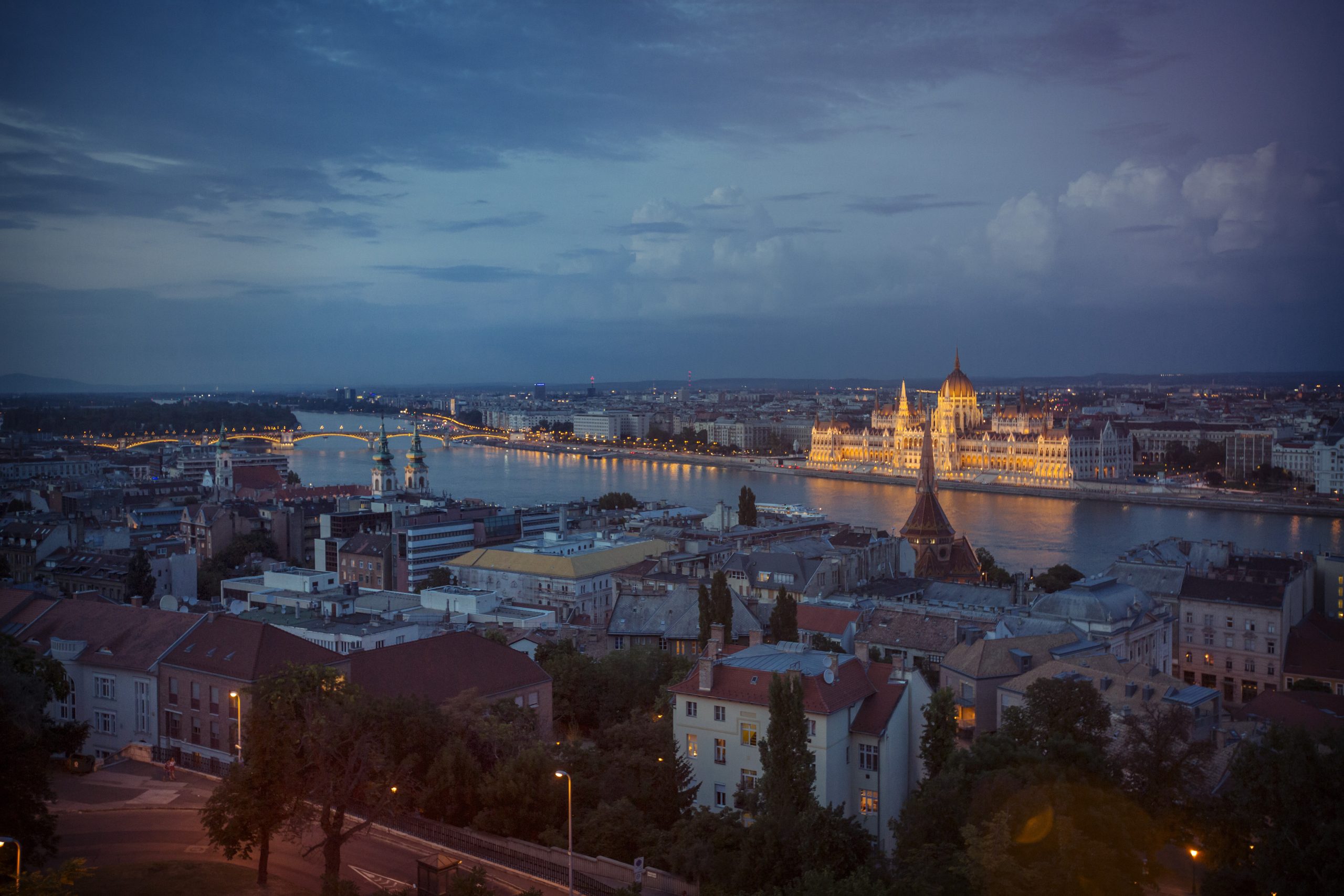 Photo Credit: Scott P.
Budapest, Hungary: Gateway to the Northern Balkans
For many travelers, Budapest serves as the perfect gateway to the Northern Balkans. Split by the Danube River, the city is both elegant and approachable, with a rich history shaped by the Austro-Hungarian Empire.
There’s no shortage of things to do in Budapest, from exploring grand architecture and thermal baths to strolling riverfront promenades. Understanding Buda and Pest, the historic hilltop Buda and the lively, flat Pest, adds context to the city’s layout and character.
Food is a major highlight here. Budapest’s cuisine reflects hearty Central European traditions, with dishes like goulash, paprika-rich stews, and flaky pastries offering an introduction to Hungarian food more broadly. If you arrive in the Hungarian capital before our trip begins, consider booking a Budapest walking tour to get a deeper understanding of the city. Alternatively, if you choose to explore independently, we highly recommend checking out these fascinating sculptures along the way.
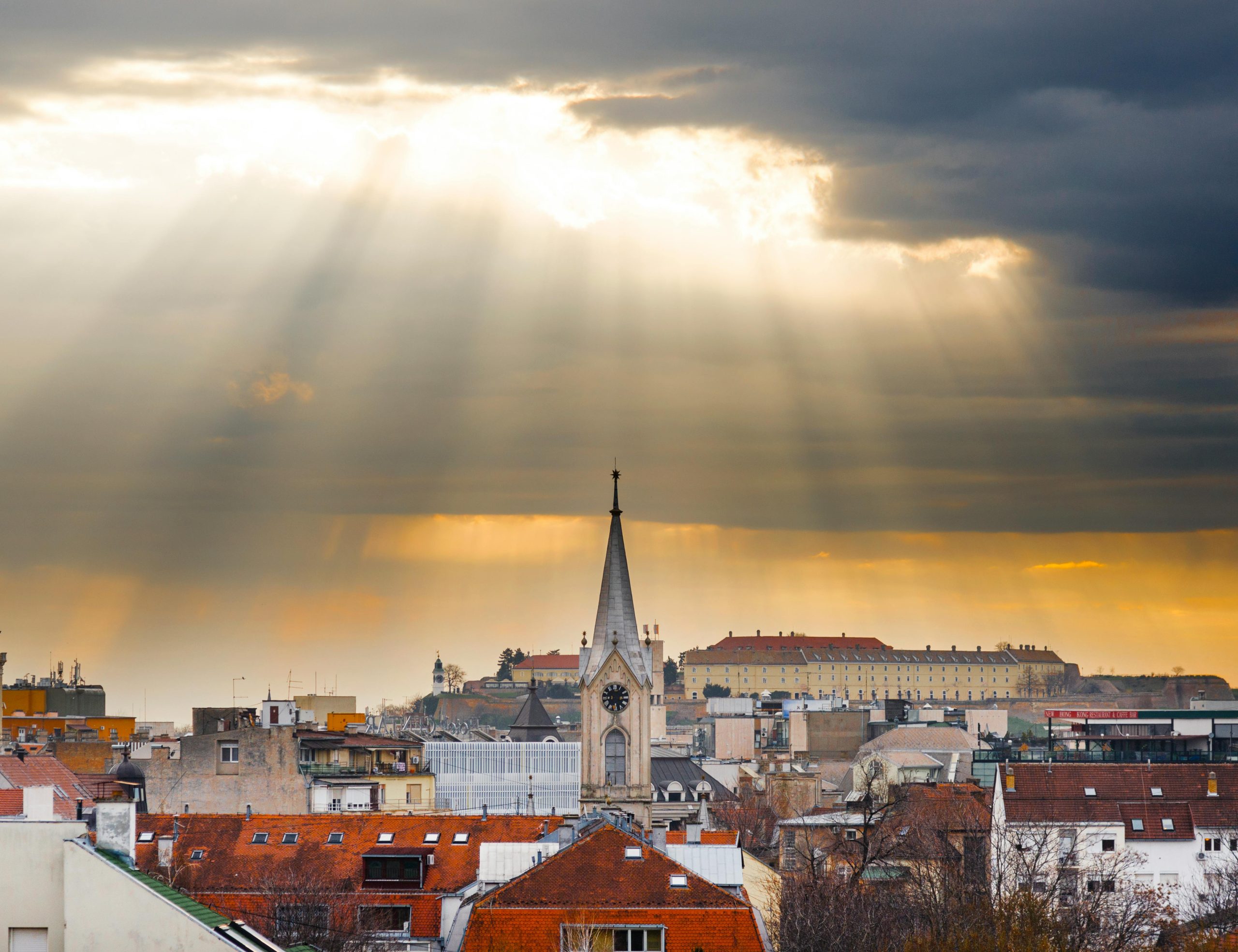 Photo Credit: Nenad D.
Serbia: Crossroads of Culture and History
Serbia reveals a dynamic blend of history, culture, and everyday life shaped by its position at the crossroads of East and West. Lively cities sit alongside rolling countryside and river valleys, creating a destination that feels both energetic and grounded.
Belgrade, the capital, is a highlight of any visit. Set at the confluence of the Sava and Danube rivers, the city is known for its historic importance, vibrant café culture, and creative energy. Kalemegdan Fortress, perched above the rivers, offers sweeping views and insight into Belgrade’s strategic importance through centuries of conflict and change.
In Novi Sad, Petrovaradin Fortress stands as one of Serbia’s most iconic landmarks, with panoramic river views and a glimpse into the city’s past as a key defensive stronghold. The city’s historic center and café-lined streets make it one of the country’s most inviting stops, balancing culture, scenery, and everyday Serbian life.
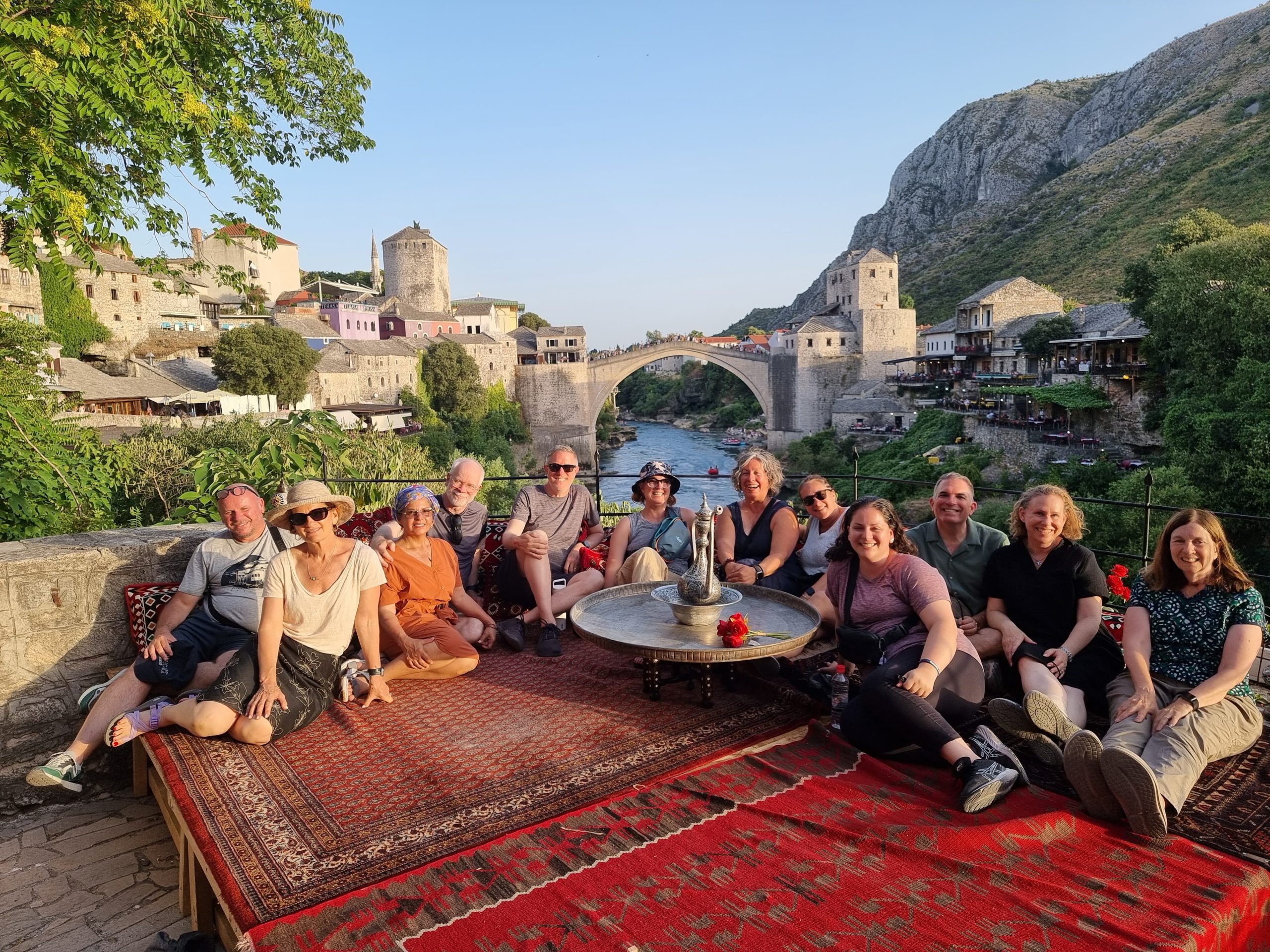 Photo Credit: Igor P.
Bosnia & Herzegovina: A Powerful Past and Quiet Beauty
In Bosnia & Herzegovina, history feels especially close to the surface, woven into daily life and the landscape itself. Sarajevo, the capital, reflects the country’s complex past and enduring resilience. Sites like the Latin Bridge, where the assassination that sparked World War I took place, and the Tunnel of Life, which sustained the city during the 1990s siege, offer powerful insight into Sarajevo’s pivotal role in European history.
Beyond the capital, Mostar stands out as one of the country’s most iconic stops. The famous Stari Most Bridge, arching over the Neretva River, is both a physical and symbolic connection between cultures, drawing visitors with its beauty and its story of destruction and renewal.
Food plays a central role throughout Bosnia & Herzegovina. Traditional dishes like ćevapi and burek reflect strong Ottoman influences and a deep-rooted culture of communal meals. Combined with historic towns, dramatic mountain scenery, and genuine hospitality, Bosnia is a destination that leaves a lasting impression long after travelers move on.
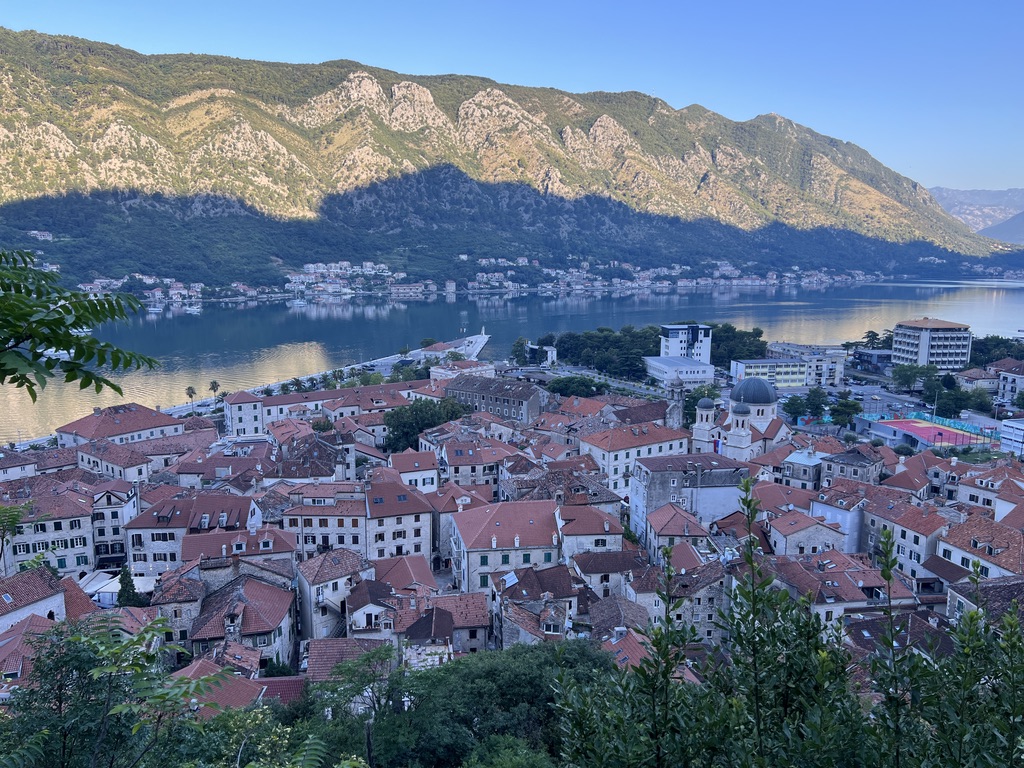 Photo Credit: Jesse W.
Montenegro: Bays, Stone Towns, and Adriatic Calm
Along the Adriatic, Montenegro delivers a dramatic shift in scenery. Medieval towns rise directly from turquoise waters, framed by steep mountains and calm bays. Kotor, nestled deep within its namesake bay, feels timeless, with narrow stone streets, ancient walls, and sweeping views from above. One of the best ways to experience the bay is by sea kayaking, gliding past old town walls and quiet coves with the mountains reflected in the water.
Beyond Kotor, Montenegro offers a slower, more relaxed coastal rhythm. Seaside towns and small beaches provide space to unwind, while walks along historic fortifications and waterfront promenades reveal just how much history is packed into this compact country.
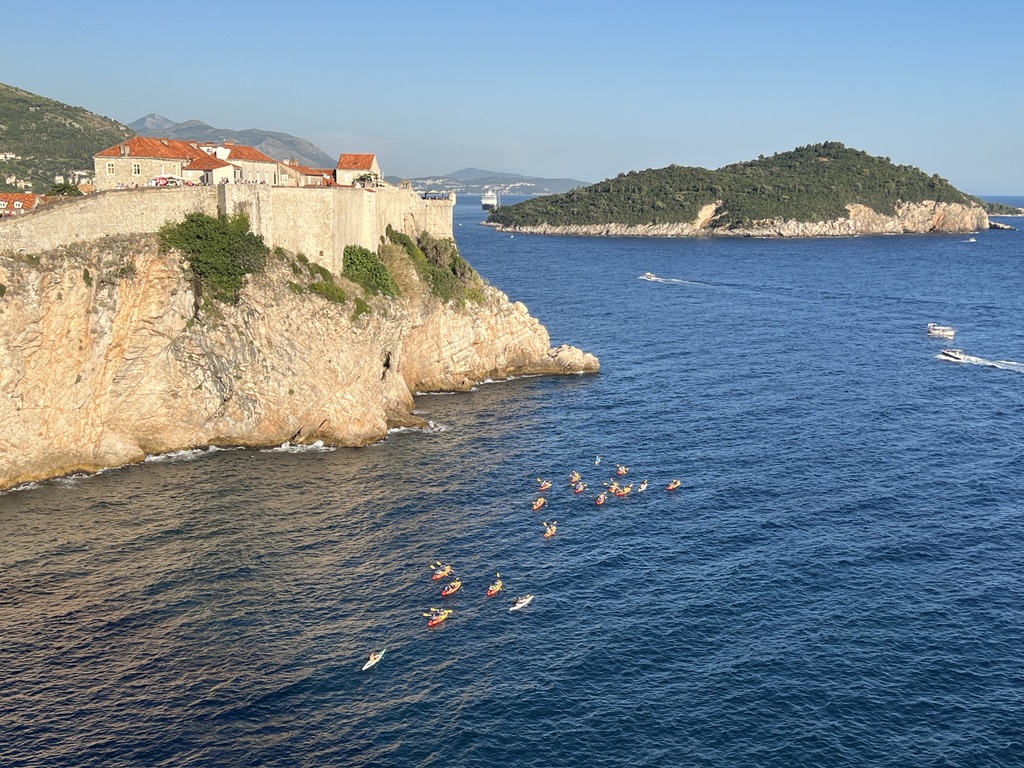 Photo Credit: Jesse W.
Croatia: Islands, History, and Coastal Bliss
In Croatia, history and natural beauty come together along a lively, island-studded coast. Cities like Dubrovnik and Split blend Roman ruins, medieval streets, and vibrant modern life, creating destinations that feel both historic and dynamic.
Off the mainland, Croatia’s islands add another layer of magic. Hvar is known for its sun-soaked harbor, historic old town, and energetic atmosphere, while the nearby Pakleni Islands offer a quieter escape of hidden beaches, pine-covered islets, and crystal-clear water that are perfect for swimming and exploring by boat. From iconic old towns to coastal scenery and island hopping, Croatia consistently ranks as a highlight for travelers exploring the Northern Balkans.
Who the Northern Balkans Trip Is Best For
This trip is especially well-suited for:
- First-time Balkans travelers looking for a balanced, accessible introduction
- History lovers interested in empires, borders, and cultural crossroads
- Travelers seeking a city and coast balance
- Educators eager to explore European history in real-world contexts
Interested in experiencing this journey firsthand? Explore GEEO’s Northern Balkans trip to see how these destinations come together in one immersive educational adventure.
 Photo Credit: Scott P.
Southern Balkans: Living Traditions Off the Beaten Path
The Southern Balkans feel raw, welcoming, and deeply rooted in tradition. This part of Southeastern Europe is defined by dramatic mountains, sun-soaked coastlines, and cultures that feel proudly local rather than polished for tourism. Travel here is personal and often surprising in the best way. GEEO’s trip moves from Albania, through North Macedonia, and Kosovo.
While the Northern Balkans showcase grand cities and imperial history, the Southern Balkans offer a more intimate look at daily life, long-standing customs, and landscapes that remain largely untouched.
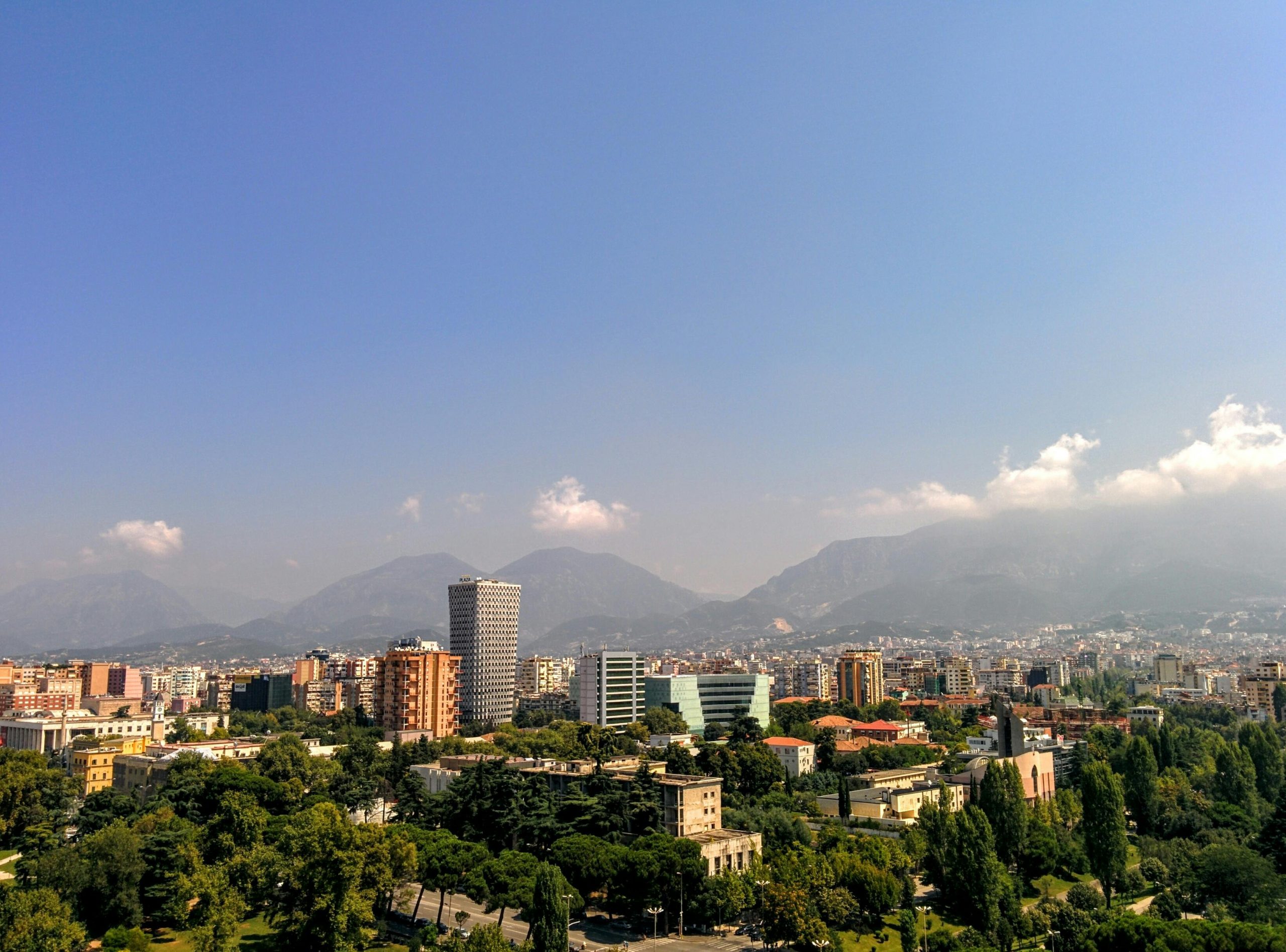 Photo Credit: Daniel F.
Albania: Culture, Coastline, and Transformation
Albania is one of Europe’s most exciting emerging destinations, shaped by centuries of isolation, resilience, and rapid change. Traveling through the country reveals a place where history remains visible and modern identity is still taking shape.
Tirana is a capital city defined by contrast. Colorful buildings, lively cafés, and a growing creative scene sit alongside Cold War–era bunkers and layers of Ottoman and Italian influence, offering a clear introduction to Albania’s past and present. Beyond the capital, Albania’s diversity unfolds across both coast and countryside. Durrës and Vlorë reflect the country’s deep connection to the sea, while southern coastal towns like Himarë and Ksamil offer a slower pace and a glimpse into everyday life along the Ionian coast.
Inland, UNESCO-listed cities highlight Albania’s cultural heritage. Gjirokastër, known for its stone architecture and hilltop fortress, preserves Ottoman-era traditions, while Berat, the “City of a Thousand Windows,” features historic neighborhoods rising above the Osum River valley.
Food plays a central role throughout Albania. The cuisine blends Mediterranean freshness with Balkan heartiness. Grilled meats, fresh cheeses, seasonal vegetables, and rich flavors shaped by regional traditions are the norm. Meals are generous and social, offering one of the most authentic ways to connect with Albanian culture.
Together, the cities, landscapes, and traditions reveal a country of striking contrasts and depth, making it a standout destination within the Southern Balkans.
 Photo Credit: Alex B.
North Macedonia: Lakes, Landscapes, and Rolling Hills
North Macedonia blends natural beauty with deep historical roots, offering travelers both serenity and substance.
Set on the shores of one of Europe’s oldest lakes, Ohrid is a UNESCO-listed town known for its churches, cobblestone streets, and stunning lake views. It’s a cultural and spiritual heart of the region. Beyond Ohrid, Macedonia’s landscapes include rolling hills, vineyards, and mountain backdrops that create a peaceful, scenic rhythm to travel.
With cultural ties and historical connections extending into Central Macedonia, the region provides important context for understanding the broader Southern Balkans story.
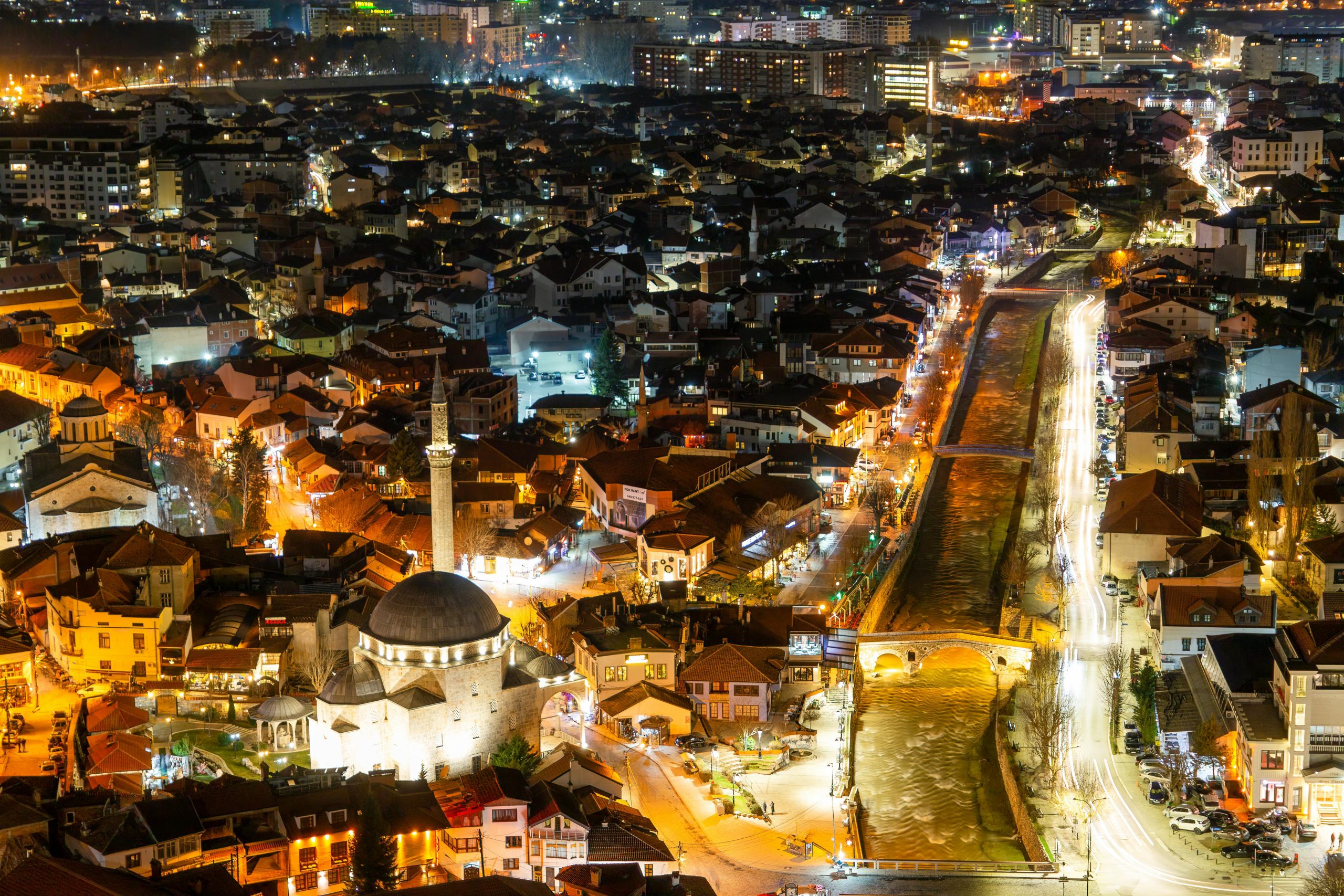 Photo Credit: Miralem M.
Kosovo: Europe’s Youngest Country
Kosovo offers travelers a rare chance to experience a nation actively shaping its identity. Despite its small size, Kosovo leaves a lasting impression through its warmth, creativity, and cultural pride. Still relatively undiscovered, Kosovo’s tourism focuses on meaningful encounters; historic towns, vibrant cafés, and conversations that bring recent history into focus.
Kosovo’s cuisine is comforting and communal, featuring pastries, grilled dishes, and strong coffee culture that encourages connection and conversation.
In terms of culture, music, art, and youth-driven innovation sit alongside centuries-old traditions, making Kosovo one of the most dynamic cultural experiences in the Balkans.
Who the Southern Balkans Trip Is Best For
- Adventurous travelers looking beyond mainstream Europe
- Nature lovers drawn to mountains, lakes, and coastlines
- Culture-first travelers who value connection over checklists
- Educators interested in modern Balkan identity, history, and resilience
Explore our Southern Balkans Trip for Teachers, a thoughtfully designed journey through Albania, Kosovo, and North Macedonia that brings Southeastern Europe’s stories, landscapes, and cultures to life.