

Morocco is a country that captivates travelers with its history, culture, and dramatic landscapes. From the lively markets of Marrakech to the blue streets of Chefchaouen, the vast Sahara Desert, and the Atlantic coast, there is far more to see and experience than most first-time visitors realize. Before traveling to Morocco, it helps to understand a few key things that can make your trip smoother, safer, and more rewarding. Here are six essential tips for travelers planning a trip to Morocco.
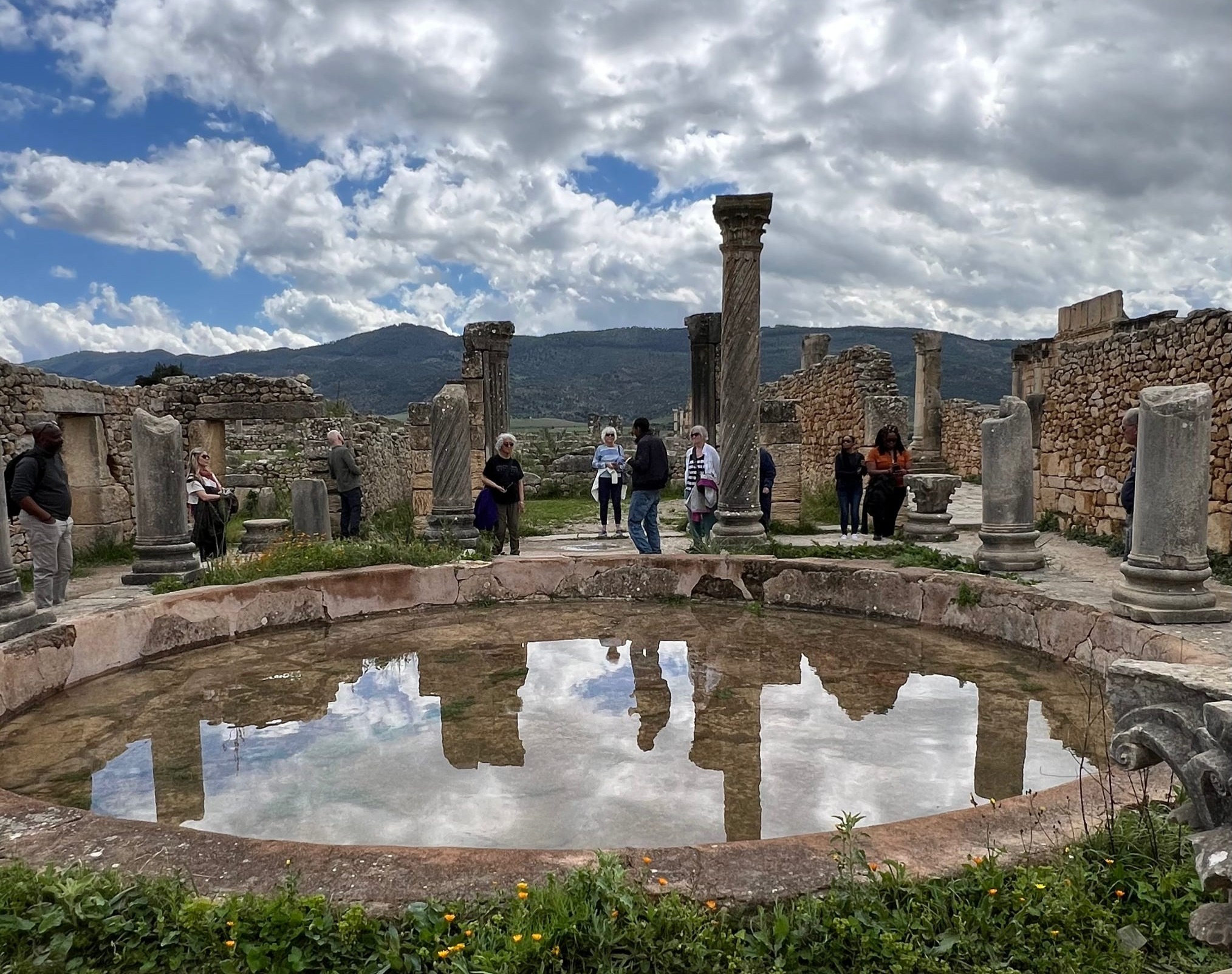 Photo Credit: Ann P.
1. Morocco is larger and more varied than most itineraries suggest
When planning a trip to Morocco, it is easy to underestimate distances. Travel between major regions often takes longer than expected because routes wind through mountains, desert landscapes, and rural areas. The pace of travel is part of the experience, but it works best when itineraries are realistic.
One thing worth knowing: the mountain roads can be winding, and some travelers are more susceptible to motion sickness than they expect. Past travelers have found it helpful to come prepared with remedies like Dramamine, ginger chews, or acupressure wrist bands — even if they rarely get car sick at home. Groups are generally very accommodating about seating arrangements for those who need a space at the front of the vehicle.
A well-rounded Morocco trip often includes:
- Historic cities like Fès and Marrakech.
- Mountain landscapes in the High Atlas.
- Sahara Desert environments.
- Coastal destinations like Essaouira.
- Northern cities such as Tangier or Chefchaouen.
Because the country is so diverse, many travelers find that 10 to 15 days is ideal. This allows enough time to experience the best of Morocco without feeling rushed from place to place.
The 15-day GEEO Morocco itinerary is designed around this idea. The route moves gradually across the country, balancing travel days with meaningful time in each destination so travelers can explore beyond quick photo stops.
We also sometimes offer a shortened 8-day itinerary, which allows travelers to see many of the highlights of Morocco in a short time.
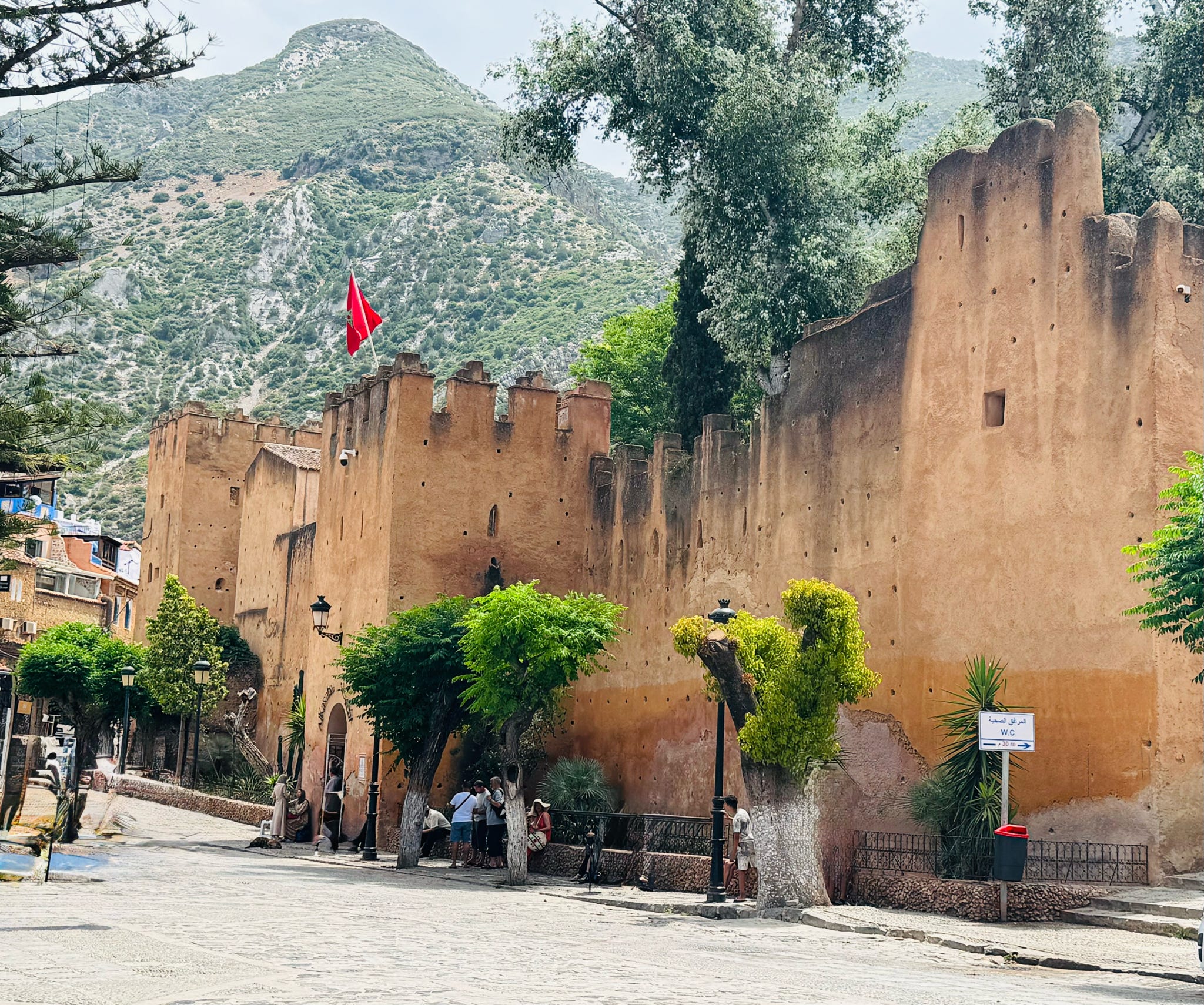
2. Marrakech is unforgettable, but Morocco is much more than one city
Marrakech Morocco is often the centerpiece of Morocco tourism. The city’s markets, architecture, street performers, and rooftop cafés create an intense and memorable first impression. It is energetic, busy, and full of sensory experiences.
Many travelers ask whether they should choose Marrakech or Casablanca. Casablanca is modern and often used as an arrival city, while Marrakech offers the classic medina experience many people imagine when thinking about traveling to Morocco.
Still, the most rewarding Morocco vacations include a mix of destinations. Chefchaouen is known for its blue-painted streets and slower mountain pace. Essaouira offers coastal breezes, seafood, and a relaxed atmosphere that contrasts sharply with larger cities. Fès provides deep historical context through one of the world’s oldest functioning medinas.
GEEO’s Morocco program includes all of these environments, helping travelers experience multiple sides of the country rather than focusing on a single urban center.
 Phot Credit: Abdul
3. Safety in Morocco is mainly about awareness and local understanding
Questions such as “Is Morocco safe for female tourists,” “Is Morocco safe for families,” and “Marrakech safety” are common when planning a Morocco vacation. In practice, most travelers find Morocco safe and welcoming, especially in areas used to tourism.
The biggest challenges tend to be cultural differences and navigation rather than serious safety risks.
Helpful guidelines include:
- Expect active sales culture in markets and respond politely but confidently. Firmly say “La, shukran” (No, thank you) without breaking stride if you don’t want to shop.
- Use licensed local guides when exploring large medinas for the first time.
- Dress respectfully, especially outside major tourist areas.
- Keep belongings secure in crowded spaces, as you would in any large city.
Families and solo travelers regularly visit Morocco. Many people find that once they understand the rhythm of daily life, they feel comfortable quickly. Organized Morocco tours can be especially helpful for first-time visitors because guides provide cultural context and help travelers feel oriented from day one. GEEO’s itinerary includes a Moroccan tour leader throughout, as well as local guides for individual sites, which removes much of the uncertainty travelers sometimes feel.
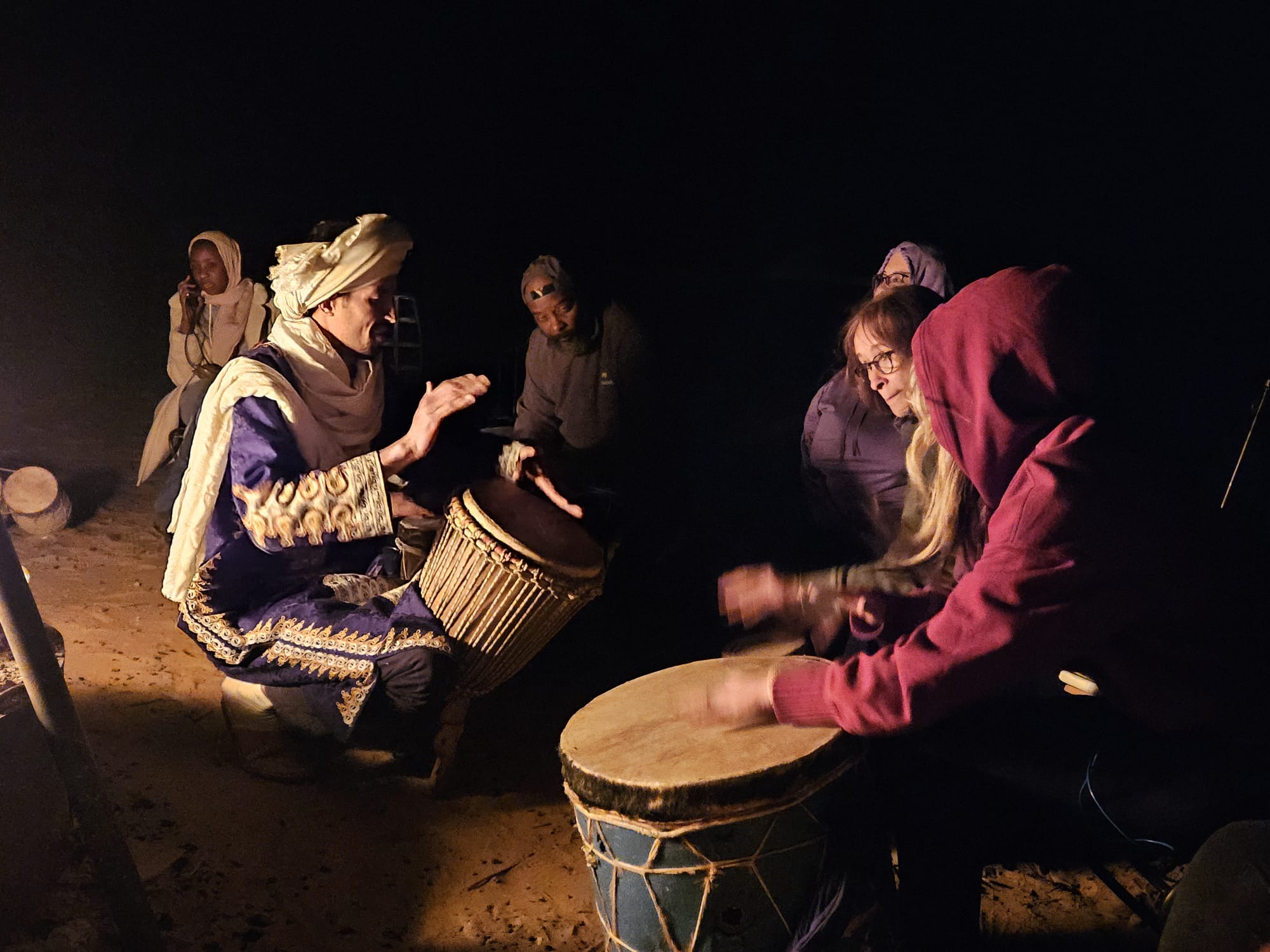 Photo Credit: Abby D.
4. Understanding Moroccan culture makes the trip more meaningful
Moroccan culture is deeply rooted in hospitality, food, and community. Taking time to understand a few customs can greatly improve your experience.
Things you should know before visiting Morocco:
- Mint tea is often offered as a welcome gesture.
- Meals are social and can last longer than expected.
- Bargaining is common in souks and markets.
- Asking before taking photos of people is considered respectful.
What to wear in Morocco?
This is one of the most common questions travelers have, and the answer is more flexible than many expect. Covering knees and shoulders is a respectful and comfortable approach, and many travelers find they feel more at ease dressed this way, particularly outside of major tourist areas. That said, Morocco is not as strict as some other destinations; some travelers do wear conservative tank tops and shorts without issue. Ultimately, erring on the side of modest coverage tends to feel right, and lightweight fabrics make it entirely manageable even in warmer months.
What to eat in Morocco?
Food is an essential part of traveling in Morocco.
Tagine is the dish most travelers encounter first: a slow-cooked stew named for the conical clay pot it’s made in, typically combining meat or vegetables with olives, preserved lemons, dried fruits, and warming spices like cumin, coriander, and ras el hanout. No two tagines are quite the same, and every region has its own variation.
Couscous is another cornerstone of Moroccan cooking, traditionally served on Fridays as a communal meal and topped with vegetables, chickpeas, and braised meat. Street food is equally worth seeking out: msemmen (flaky pan-fried flatbread), harira (a hearty tomato and lentil soup especially popular during Ramadan), and briouat (crispy pastry filled with spiced meat or cheese) are staples that locals eat daily.
Morocco’s coastal cities bring their own culinary rewards. Essaouira and Agadir are known for fresh grilled seafood served simply at open-air fish markets, where the catch of the day goes straight from the boat to the grill.
Meals are often finished with mint tea, poured from high above the cup to create a froth, and served sweet.
The GEEO Morocco program includes community-based dining experiences and local interactions that help travelers engage with Moroccan culture.
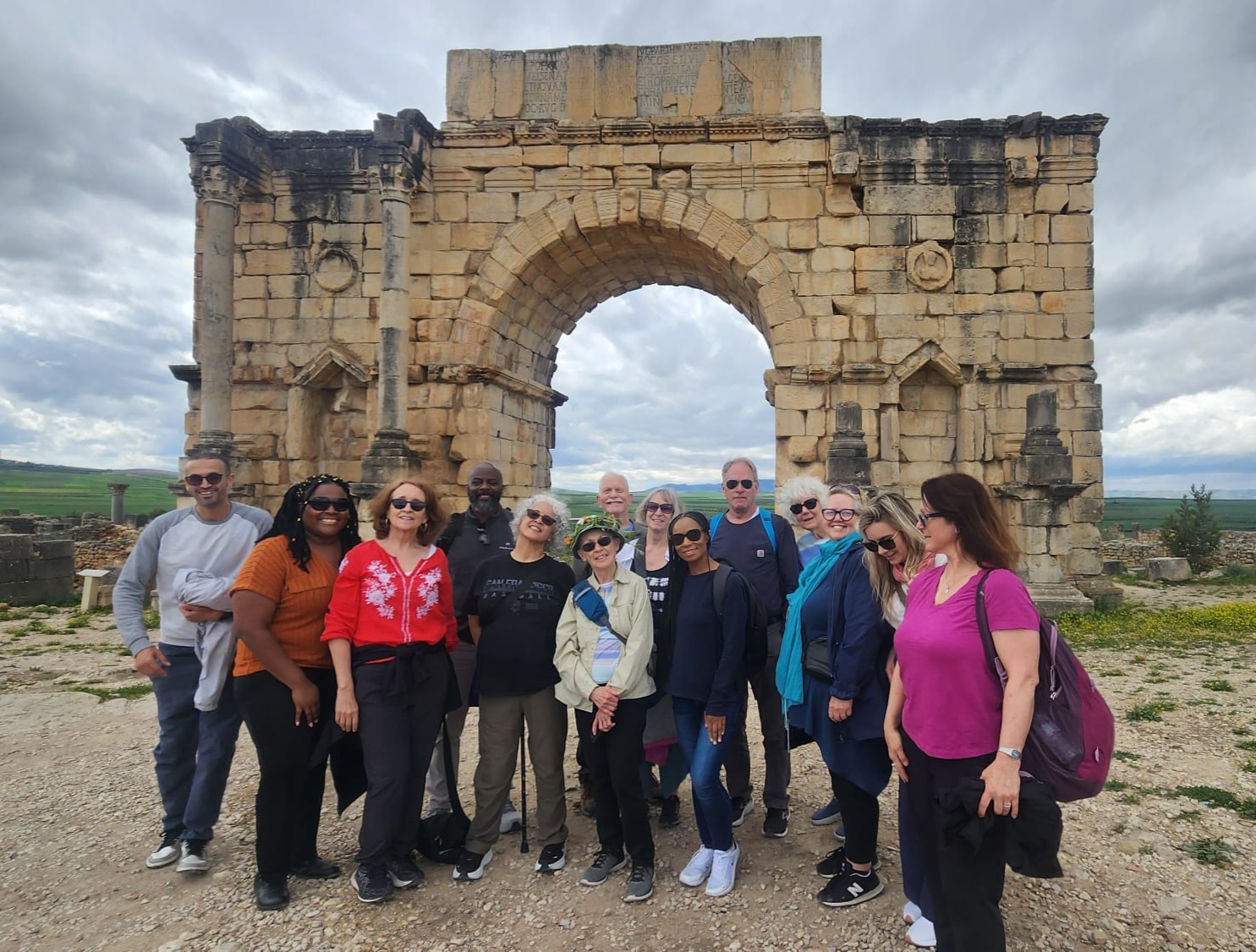 Photo Credit: Abdul
5. Morocco can be affordable, but your travel style matters
A common question is whether Morocco is cheap or expensive. The answer depends largely on how you choose to travel.
Budget-friendly travel in Morocco is possible through:
- Local restaurants and street food.
- Affordable guesthouses and riads.
- Public transportation between major cities
Costs increase when adding private drivers, luxury accommodations, or customized private experiences. One of the most unpredictable expenses for independent travelers is transportation between regions, especially when trying to combine cities, mountains, and desert areas in one itinerary.
GEEO’s program bundles 3 star accommodations, private transportation, and major experiences together, helping travelers avoid unexpected expenses while still allowing for independent exploration during free time. You’ll be able to explore Morocco for 15 days and 14 nights at a cost of only $1,329.
 Photo Credit: Ann P.
6. The Sahara Desert is a highlight, but knowing what to expect helps
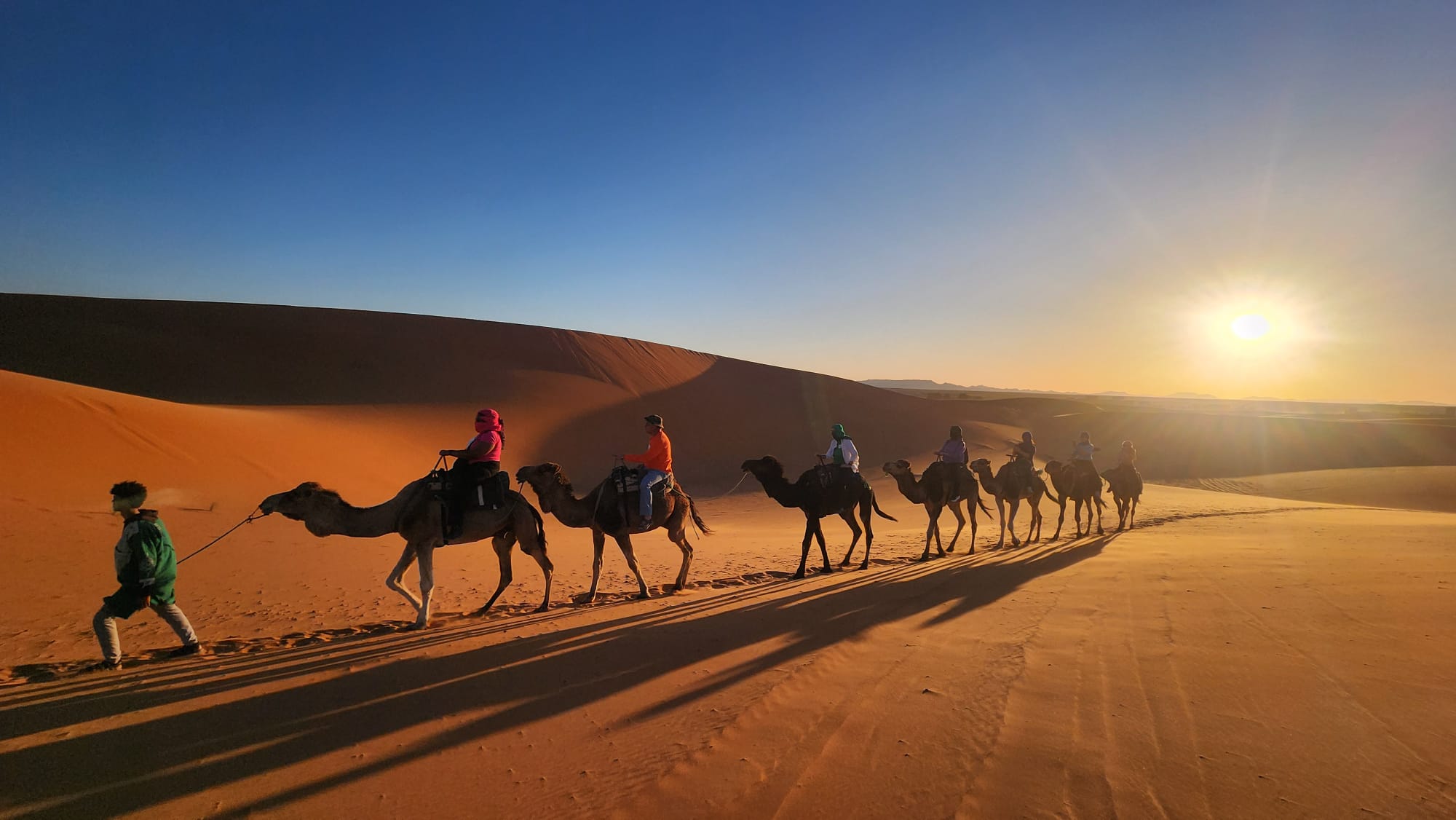
Morocco desert tours are often the most anticipated part of the trip. The Sahara offers a completely different landscape and pace from the cities, with wide-open views, quiet evenings, and dramatic sunsets.
At the same time, it is important to understand a few practical realities:
- The desert is far from major cities, so travel days can be long.
- Temperatures change significantly between day and night.
- Camel rides are memorable but can be physically tiring for some travelers.
- The experience is about atmosphere and landscape rather than luxury.
A note on heat: travelers often worry about high temperatures, but the experience tends to be more manageable than expected. Guides are strategic about timing, planning activities during cooler parts of the day and keeping groups in shaded or comfortable settings when the heat peaks. A handheld fan (the old-fashioned kind works just as well as electric) can be a handy thing to tuck into your bag.
Many travelers say that watching the sky change over the dunes becomes a defining memory of their Morocco trip. Programs that integrate the desert into a broader itinerary help balance the travel time with nearby highlights like Todra Gorge and the Atlas Mountains. On the GEEO Morocco trip, the desert is part of a continuous route through multiple regions, making the experience feel like a natural progression rather than an isolated excursion.
 Photo Credit: Abdul
Final thoughts
Morocco rewards travelers who plan thoughtfully and stay open to new experiences. The country combines historic cities, mountain landscapes, desert environments, and coastal culture in ways that few destinations can match.
For travelers who want a structured way to experience the best of Morocco while traveling with knowledgeable guides and a supportive group, you can explore the full GEEO Morocco itinerary.