
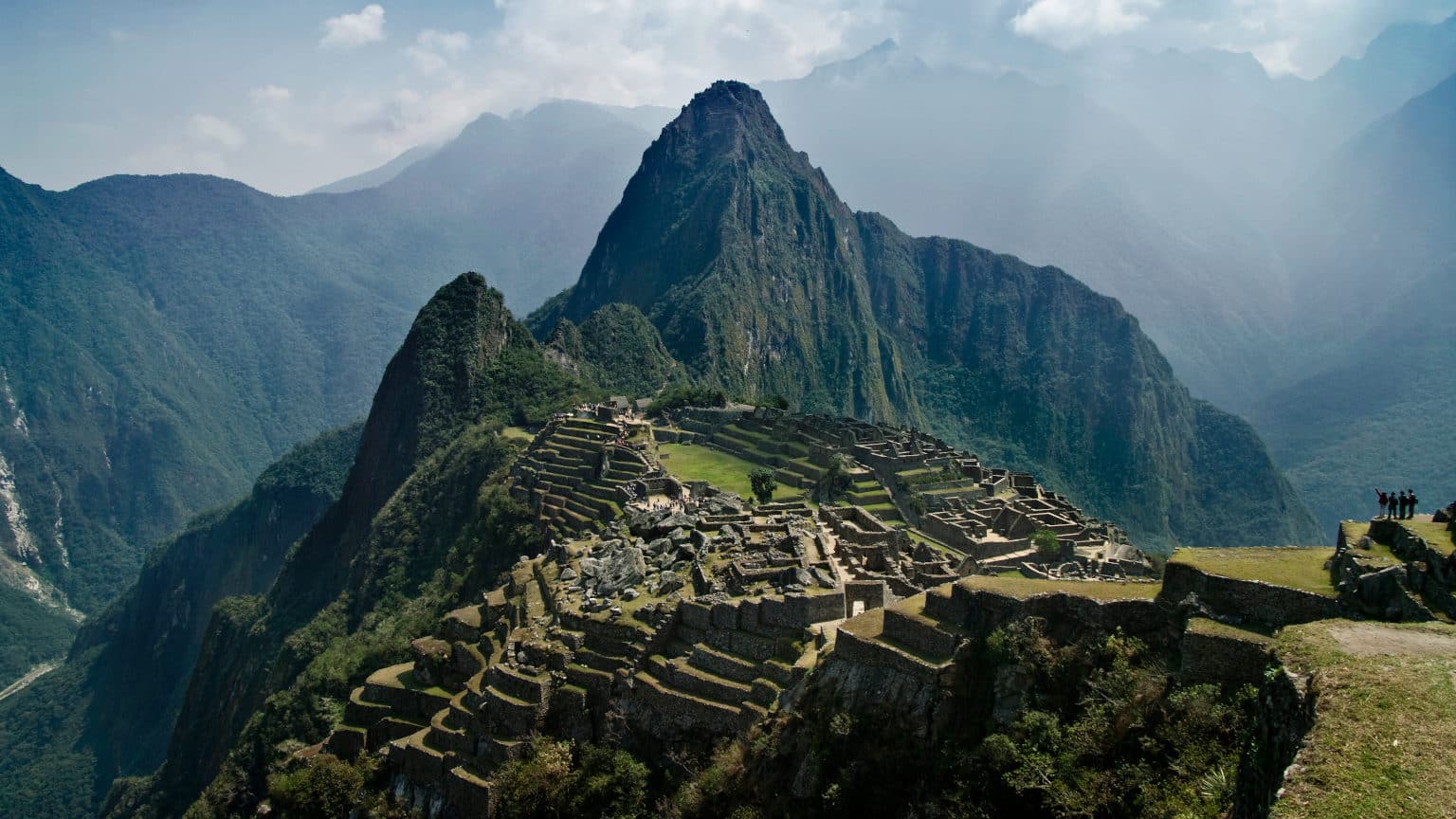
Peru is a country that surprises and inspires at every turn. From the vibrant streets of Lima to the high-altitude peaks of Cusco and the Sacred Valley, there’s more to see and experience than most first-time visitors expect. Before your trip, it helps to know a few key things that can make your journey smoother, safer, and even more unforgettable. Here are six essential tips for first-time Peru travelers.
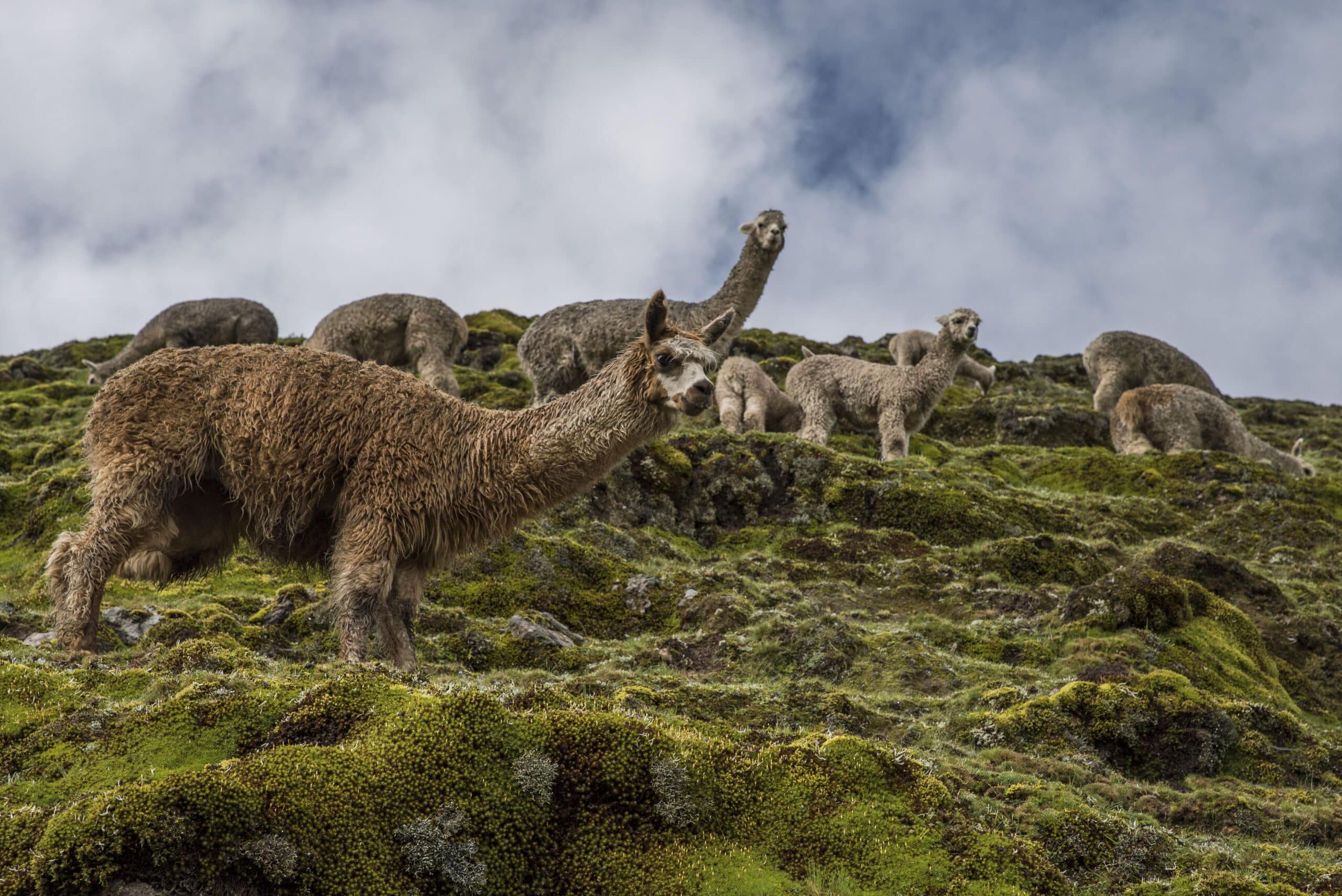 Photo by Kirk Holmes
1. Do You Need a Visa to Travel to Peru?
For most travelers, entering Peru is straightforward. Citizens of the United States, Canada, the European Union, the United Kingdom, Australia, and many other countries do not need a visa for short-term tourism. Tourists are typically granted up to 90 days in Peru on arrival, although the exact length of stay is determined by the immigration officer when you enter the country. In some cases, travelers may be granted fewer days, so it is important to check the entry stamp in your passport.
Your passport must be valid for at least six months beyond your arrival date, and you may be asked to show proof of onward or return travel. Immigration officials can also request evidence of sufficient funds, though this is rarely enforced for tourists. If you wish to stay longer than the time granted on entry, extensions are not guaranteed and rules change frequently. Overstaying your permitted time can result in fines or complications when exiting the country.
Entry requirements can change, so it is always a good idea to check the latest rules before you go.
2. Is Peru Safe? What Travelers Should Know
Peru is one of South America’s most popular travel destinations, and millions of visitors explore the country safely each year. Like anywhere, safety depends on where you go, how you move around, and how aware you are of your surroundings. Violent crime against tourists is rare, but petty theft, scams, and transportation-related issues are the most common concerns travelers encounter.
Major tourist areas such as Lima’s Miraflores and Barranco neighborhoods, Cusco, the Sacred Valley, Arequipa, and Lake Titicaca are generally safe, especially during the day. Problems are more likely to occur late at night, in poorly lit areas, or when travelers let their guard down in crowded spaces.
A good rule of thumb: travel like a local, don’t advertise valuables, and plan transportation in advance.
Is Peru Safe to Travel Alone?
Solo travel in Peru is common and generally safe, including for solo female travelers. Peru has a well-established backpacker and digital nomad scene, particularly in Cusco and Lima, which makes it easy to meet other travelers and find reputable tours.
That said, solo travelers should take a few extra precautions:
- Stick to well-traveled areas, especially at night
- Avoid empty streets and parks after dark, even in tourist neighborhoods
- Keep phones and cameras out of sight when not in use
- Let someone know your plans, especially when hiking or traveling between cities
Many solo travelers opt to book group tours for activities like the Inca Trail, Rainbow Mountain, and Amazon excursions, which adds an extra layer of safety and logistics support.
Cusco Safety Tips
Cusco is one of the safest cities in Peru for tourists, but it’s also busy, crowded, and full of distractions, which makes it a prime spot for pickpocketing.
What to watch out for in Cusco:
- Pickpocketing in San Pedro Market, Plaza de Armas, and on crowded buses
- Bag slashing in tightly packed areas
- Fake tour operators offering last-minute “too good to be true” deals
Smart safety tips for Cusco:
- Use licensed taxis arranged through your hotel or apps like Uber
- Carry a crossbody bag with zippers worn in front of you
- Keep passports and extra cash locked in your accommodation
- Be cautious when using ATMs, especially at night
Cusco is very walkable during the day, but at night it’s best to take a taxi rather than walk long distances.
Lima Safety Tips
Lima is a large, spread-out capital city, and safety varies significantly by neighborhood. Most travelers stay in Miraflores, Barranco, or San Isidro, which are generally safe and well-policed, especially during the day. Issues tend to arise when travelers wander into unfamiliar areas, use unlicensed transportation, or are distracted in crowded public spaces.
What to watch out for in Lima:
- Pickpocketing in busy areas like Larcomar, Kennedy Park, public buses, and crowded markets
- Phone snatching near busy intersections and along the Malecón coastal paths
- Taxi scams involving unlicensed drivers or overcharging
- Distraction scams where one person diverts attention while another steals valuables
Smart safety tips for Lima:
- Stay in Miraflores, Barranco, or San Isidro for easy access to restaurants and attractions
- Use ride-hailing apps like Uber rather than hailing taxis on the street
- Avoid displaying phones or cameras while walking, especially near traffic
- Carry only what you need for the day and leave passports locked in your accommodation
- Use ATMs inside banks, malls, or hotels rather than standalone street machines
Lima is walkable within neighborhoods during the day, but distances between areas are long. At night, it is safer to use a taxi or ride-hailing app rather than walking, even for short trips.
Things to Be Careful Of in Peru
Transportation Safety
Road conditions in Peru vary widely, especially in mountainous regions. Landslides and delays are not uncommon during the rainy season (December–March).
- Use reputable bus companies like Cruz del Sur, Oltursa, or Civa
- For long distances, consider domestic flights to save time and reduce risk
- Avoid overnight buses on unfamiliar routes unless they’re well-reviewed
Bottom Line
Peru is safe for travelers who stay aware, plan ahead, and use common sense. Most trips are trouble-free, and the rewards (world-class food, ancient ruins, dramatic landscapes, and welcoming locals) far outweigh the risks when you travel smart.
3. Where to Go in Peru: The Core Stops First-Time Travelers Should Know
Ok, now let’s move onto the fun stuff. Where should you go!
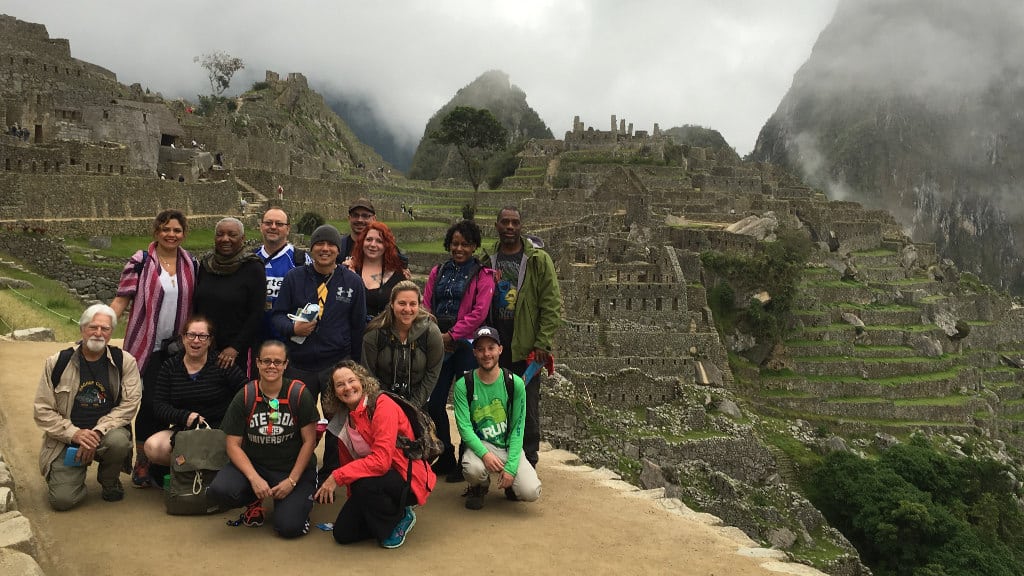
One of the biggest surprises for first-time visitors is just how diverse Peru feels. Coastal cities, high-altitude Andean towns, ancient ruins, and rainforest ecosystems can all exist in a single itinerary. While Peru rewards repeat visits, most first-time travelers will center their trip around four key places: Lima, Cusco, the Sacred Valley (including Ollantaytambo), and Machu Picchu. If you’re traveling with GEEO, you’ll have the opportunity to choose your own adventure as we’ve got different options depending on what you’re interested in.
Lima: More Than Just a Starting Point
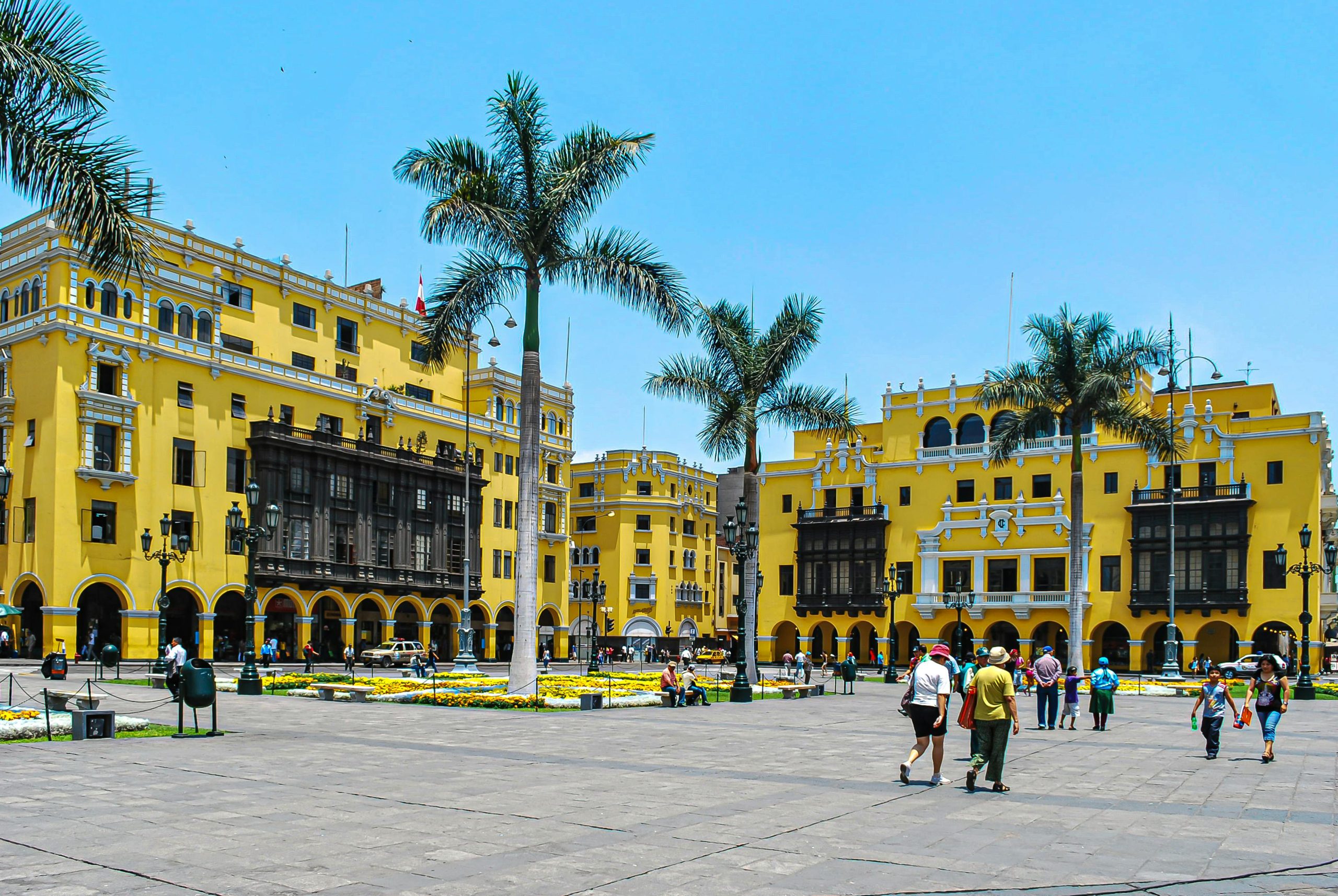
Many travelers treat Lima as a quick overnight stop, but Peru’s capital deserves more attention. Sitting along the Pacific coast, Lima blends colonial history with one of the most exciting food scenes in South America.
Highlights include:
- Plaza Mayor and the historic center for architecture and history
- Barranco for art, nightlife, and colorful streets
- Miraflores for ocean views, walking paths, shopping and the impressive Huaca Pucllana, an ancient adobe pyramid and ceremonial center built by the Lima culture around 200–700 AD. Set dramatically in the middle of a modern neighborhood, the ruins offer guided tours, a small museum, and a fascinating look at Peru’s pre-Inca history.
Food is where Lima truly shines. The city is famous for ceviche, seafood markets, and innovative fusion cuisine shaped by Chinese, Italian, Japanese, and West African influences. Many travelers enjoy taking a local cooking class, which often includes visiting markets, tasting exotic fruits, and learning how to prepare classic Peruvian dishes, a great introduction to the country before heading inland. If you travel with GEEO, we can book these for you!
Another popular add-on is a full-day excursion to Paracas and Huacachina and we can book this for your as well! This trip combines a boat tour of the wildlife-rich Ballestas Islands (it’s often compared to the Galápagos) with a visit to the Huacachina desert oasis, where travelers can ride dune buggies and try sandboarding. It’s a great way to experience Peru’s coastal landscapes even on a tight schedule.
Cusco: Gateway to the Andes
Cusco is the cultural heart of many Peru itineraries and the jumping-off point for the Sacred Valley and Machu Picchu. Once the capital of the Inca Empire, the city layers Inca stonework beneath Spanish colonial buildings.
A key thing to know before you go: Cusco sits at 11,200 feet. Altitude affects everyone differently, so it’s important to take your first day slowly, stay hydrated, and avoid overexertion.
Just like Lima, Cusco has an incredible culinary scene and you can channel your inner chef and get a taste of Peruvian cuisine with a local cooking class. If you’re traveling with GEEO, booking through us is easy!
From Cusco, travelers can:
- Explore historic sites like Sacsayhuamán
- Visit local markets and museums
- Take day trips into the Sacred Valley
Flights from Lima to Cusco are quick and common, though long-distance buses are also an option for travelers with more time.
The Sacred Valley & Ollantaytambo: Slow Down Here
The Sacred Valley runs between Cusco and Machu Picchu and is often a highlight for travelers who want to balance history with scenery. Lower in elevation than Cusco, it’s a great place to acclimate while visiting important archaeological sites.
Ollantaytambo stands out as both a living town and a major Inca ruin. Cobblestone streets, terraced hillsides, and an active train station make it a practical and rewarding overnight stop. Many travelers choose to stay here rather than Cusco before heading to Machu Picchu.
Other Sacred Valley stops include:
- Moray, known for its circular agricultural terraces
- Pisac, famous for its ruins and artisan market
Machu Picchu: Everything You Need to Know Before You Go
Machu Picchu is one of the most iconic archaeological sites in the world, and for many travelers, the highlight of their trip to Peru. That said, it’s also one of the most regulated, logistically complex destinations in the country. Understanding how to get to Machu Picchu, which tickets and routes to choose, and whether a day tour, hike, or multi-day trek makes the most sense will dramatically improve your experience. If you travel with GEEO or our partner G Adventures, this will all be taken care of, so you don’t need to worry about the logistics, tickets, and guides.
How to Get to Machu Picchu
There is no direct road to Machu Picchu, which is part of what has helped preserve it. Most travelers reach the site via a combination of flights, trains, and buses.
The most common route looks like this:
- Fly or bus from Lima to Cusco
- Travel to Ollantaytambo or Cusco train station
- Take a train to Aguas Calientes (also called Machu Picchu Pueblo)
- Ride a short shuttle bus up to the entrance
Trains from Ollantaytambo are generally faster and more scenic than those from Cusco. Tickets should be booked well in advance, especially during peak season from May through September.
Machu Picchu Tickets: What to Know Before You Buy
Machu Picchu tickets are limited and timed, meaning you must choose your entry window and route ahead of time. Tickets often sell out weeks or even months in advance. In recent years, Machu Picchu has introduced structured circuits to control foot traffic and protect the ruins. These routes guide visitors through designated paths and viewpoints.
There are several main ticket types:
- Classic Machu Picchu Circuit for general exploration
- Huayna Picchu for a steep hike with panoramic views
- Machu Picchu Mountain for a longer, less crowded climb
If you head to Peru with GEEO, you’ll explore the Classic Machu Picchu Circuit. This is important to know as each ticket corresponds to the specific Machu Picchu route, and visitors are required to follow a one-way circuit through the site. Reviewing a Machu Picchu map before booking helps you understand what areas you’ll be able to access and how physically demanding each route is. Because you cannot freely roam the site, choosing the right route is essential. This is where a Machu Picchu guide or well-organized tour can make a big difference.
Machu Picchu Tours & Day Tours
For many first-time visitors, Machu Picchu tours offer the easiest and least stressful way to visit. Tours typically bundle entrance tickets, transportation, and a licensed guide who explains the history, architecture, and cultural significance of the site.
Machu Picchu day tours are popular for travelers on tight schedules and usually depart early from Cusco or Ollantaytambo. While long, they are efficient and well-coordinated.
Guided tours are strongly recommended, especially if this is your first visit. A knowledgeable guide brings the ruins to life and helps you navigate the site’s routes and regulations.
Hiking to Machu Picchu: Trails & Treks
For travelers looking for a deeper connection to the landscape, hiking to Machu Picchu is an unforgettable experience.
The most famous option is the Inca Trail, a multi-day trek that follows original Inca paths through cloud forests, mountain passes, and ancient ruins. Permits are strictly limited and must be booked months in advance.
Other popular Machu Picchu hike and Machu Picchu trek options include:
- Salkantay Trek for dramatic scenery and fewer crowds
- Lares Trek for hot springs and cultural immersion
Each trek varies in difficulty, altitude, and duration, but all require preparation, acclimatization, and advance planning. If you travel with GEEO, we have a non-hiking option as well as the chance to hike either the Inca Trail or the Lares Trek.
Is Machu Picchu Worth It?
Despite the logistics, crowds, and planning required, Machu Picchu consistently exceeds expectations. Whether you arrive by train for a guided visit or hike in over several days, the setting, history, and scale of the site are unlike anything else.
Understanding your Machu Picchu tickets, routes, and tour options ahead of time ensures that once you arrive, you can focus less on logistics and more on the experience itself.

4. Health & Altitude Awareness
Many of Peru’s top destinations sit at high elevation, including Cusco (11,152 ft) and Lake Titicaca (12,500+ ft), so it’s normal for travelers to experience mild altitude symptoms as their bodies adjust.
Give Yourself Time to Acclimate
Your first day or two matters most. Altitude symptoms are often made worse by doing too much too soon.
- Take it easy on arrival and avoid intense activity
- Stay hydrated
- Eat light meals
- Avoid alcohol initially
Built-In Acclimatization
Acclimatization days are important before major hikes. The GEEO Peru itinerary is designed to allow the appropriate amount of time to adjust to the altitude before hiking the Inca Trail.
Medication & Local Remedies
Some travelers use prescription altitude medication (like Diamox). Talk with your doctor before your trip if you think this might help.
You’ll also see a popular local remedy: coca tea, which many travelers drink to help ease mild altitude discomfort.
Listen to Your Body
If you feel headaches, dizziness, or fatigue, slow down, rest, and hydrate. Most symptoms improve once your body has time to adjust.
5. Is Peru Expensive?
Peru is one of the more affordable travel destinations in South America, but costs vary significantly depending on your travel style, cities visited, and how many guided experiences you include. A backpacker sticking to local food and public transportation will spend far less than someone booking private tours, domestic flights, and upscale hotels.
Budget Travel Costs in Peru
Budget travelers can expect to spend roughly $30 to $50 per day.
Accommodation typically ranges from $8 to $15 per night for dorm beds and $20 to $30 for basic private rooms in hostels or family-run guesthouses. Meals at local markets and neighborhood restaurants cost $2 to $5, with set lunch menus known as menú del día often including soup, a main dish, and a drink. Local buses and shared colectivos usually cost less than $1 per ride, and overnight buses between cities can range from $15 to $40 depending on distance.
Many major attractions remain affordable on a budget. Museums and ruins often cost $2 to $10, and walking tours in cities like Lima and Cusco are frequently free or tip-based.
Mid-Range Travel Costs in Peru
Mid-range travelers typically spend between $60 and $150 per day.
Comfortable hotels and boutique guesthouses usually cost $50 to $120 per night. Meals at well-reviewed restaurants in tourist areas range from $8 to $15, while higher-end dining in Lima’s food scene can run $20 to $40 per person. Taxis within cities generally cost $3 to $10 per ride, and domestic flights between major cities often range from $40 to $120 when booked in advance.
Mid-range travelers tend to book organized day trips, such as Sacred Valley tours, Rainbow Mountain excursions, or Amazon jungle experiences. These usually cost between $25 and $150 per activity, depending on duration and inclusions.
Guided Tours and Luxury Travel
Guided tours and luxury travel in Peru can exceed $200 per day, particularly when visiting Machu Picchu or trekking in the Andes.
Luxury hotels and lodges often cost $200 to $500 per night. Multi-day guided treks like the Inca Trail typically range from $600 to $1,200 per person and include permits, guides, food, and porters. Train tickets to Machu Picchu alone can cost $70 to $200 round trip, and Machu Picchu entrance tickets range from roughly $40 to $80 depending on the route and time slot.
Private guides, upscale Amazon cruises, and exclusive experiences can quickly raise overall trip costs.
Food and Everyday Expenses
Food in Peru is generally affordable outside of upscale restaurants. Coffee costs $1 to $3 at local cafés and $4 to $6 in tourist-focused spots. A beer costs $2 to $4, and bottled water is usually under $1. Grocery shopping and street food help keep daily costs low, especially for longer stays.
Transportation Costs
Long-distance buses are the most economical way to travel between cities, but they take time due to mountainous terrain. Flights save time but increase costs. Train travel is limited to specific routes, most notably the Sacred Valley to Aguas Calientes, and is one of the more expensive transportation options in the country.
Bottom Line
Peru is affordable for most travelers, especially those willing to eat local food and use public transportation. Costs rise quickly when adding guided treks, Machu Picchu visits, domestic flights, and higher-end accommodations. With careful planning, Peru can be both budget-friendly and comfortable without sacrificing experiences.
6. Weather in Peru and Best Time to Visit
Peru’s weather varies dramatically by region due to its geography, which includes a coastal desert, the Andes mountains, and the Amazon rainforest. There is no single “best” time to visit the entire country. The ideal timing depends on which regions you plan to visit and what activities you want to prioritize.
Weather in Peru: What to Expect by Region
On the coast, including Lima, the climate is mild and dry with little rainfall throughout the year. Temperatures are moderate, but cloud cover and coastal fog are common, especially in winter.
In the Andes, including Cusco and the Sacred Valley, weather is defined by clear dry months and a pronounced rainy season. Days can be sunny and warm, while nights are cold year-round due to high elevation.
The Amazon region is hot, humid, and rainy most of the year, with heavier rainfall during the wet season but no true dry period.
Peru Weather by Month and Season
The dry season runs from May through September and is generally considered the best time to visit Peru, particularly for hiking and trekking. These months offer clear skies in Cusco and the Sacred Valley, making them ideal for Machu Picchu visits, the Inca Trail, and mountain scenery. Daytime temperatures are pleasant, but nighttime temperatures in high-altitude areas can drop close to freezing, especially in June and July.
The wet season lasts from November through March. Rainfall is most noticeable in the Andes and Amazon, with February typically being the wettest month. During this time, some trekking routes close for safety reasons, including the Inca Trail, which is closed every February. The upside is fewer crowds, greener landscapes, and lower prices on accommodations and tours.
Shoulder months such as April and October offer a balance of improving weather and reduced crowds, making them a popular choice for travelers who want good conditions without peak-season congestion.
Cusco Weather and Best Time to Visit
Cusco sits at an elevation of approximately 11,150 feet and experiences cool temperatures year-round. During the dry season, daytime temperatures range from about 60 to 70 degrees Fahrenheit, while nights are cold and can dip below freezing. Rain is minimal, and visibility is excellent for sightseeing and trekking.
During the wet season, daytime temperatures are similar, but frequent afternoon showers are common. Roads and trails can become muddy, and cloud cover may obscure mountain views. Despite the rain, Cusco remains a popular destination year-round, and many travelers visit successfully during the wet months with proper planning.
Lima Weather and Elevation
Lima sits at sea level and has mild temperatures year-round, generally ranging from the mid 60s to the mid 70s Fahrenheit. Rain is extremely rare, but humidity is high.
From June through September, Lima experiences heavy cloud cover and mist known as garúa, which creates cool, gray conditions. This period is less ideal for beach time but works well for exploring museums, markets, and Lima’s renowned food scene.
From December through April, Lima is warmer and sunnier, making it the best time for coastal walks, outdoor dining, and nearby beach visits.
Best Time to Visit Peru Overall
For most travelers planning to visit Cusco, Machu Picchu, and the Sacred Valley, the best time to visit Peru is between May and September. Travelers focused on Lima’s food scene and urban culture can visit any time of year, while Amazon trips are best planned with an understanding that rain and humidity are always part of the experience.
Final Thoughts: Why Peru Is Worth the Trip
Peru is unforgettable. It’s a place where history, nature, and culture collide. From the mysteries of Machu Picchu to local traditions and culinary delights, it rewards curiosity and careful planning. Travel responsibly, respect local communities, and embrace every new experience. For first-time visitors, Peru isn’t just a destination; it’s an invitation to explore, learn, and return home with stories that last a lifetime. If you’re interested, check out GEEO’s incredible itinerary!